



 POLICY
POLICY
POLICY
POLICY

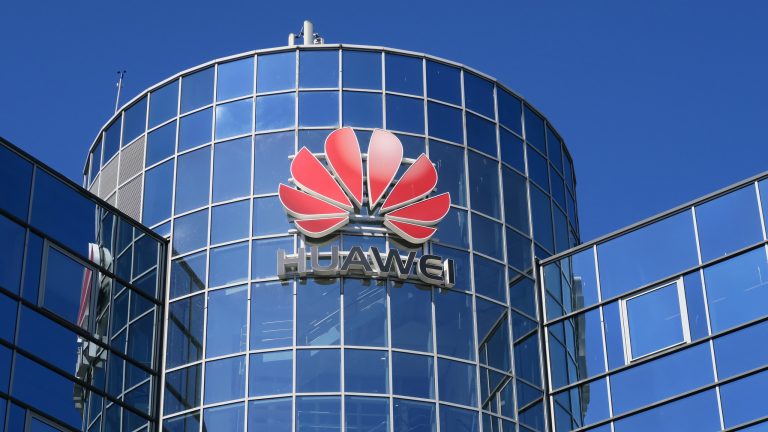
U.S. President Donald Trump is reportedly set to sign an executive order this week that will prevent American companies from buying telecommunications equipment from Chinese firm Huawei Technologies Co. Ltd.
Reuters cites three U.S. officials “familiar with the plan” as saying that the order is designed to block U.S. firms from doing business with any company that poses a “national security risk.”
The order won’t mention specific countries or companies by name, but it’s widely believed that Huawei is the target, as U.S. officials have long raised concerns about its close relationship with the Chinese government. Their fear is that Huawei could install a “back door” inside its equipment that would allow China’s government to spy on U.S. communications. Huawei has repeatedly denied the allegations.
Reuters’ sources say the executive order would lean on the International Emergency Economic Powers Act, which enables the president to restrict commerce in case of a national emergency that threatens the country. It would direct the U.S. Commerce Department to enforce any restrictions, Reuters said.
Trump has reportedly tried to effect such an order for more than a year, but his efforts have been repeatedly delayed, Reuters said. Its sources added the order could yet be delayed again.
The President has already signed into law a bill that bars the U.S. government from using equipment from Huawei, and another Chinese firm, ZTE Corp. U.S. officials have also been trying to push allied countries such as the U.K. to avoid using Huawei’s equipment to build their next-generation 5G networks.
The rollout of 5G infrastructure is at the crux of the entire issue. U.S. wireless carriers are looking for partners to help them build out their next-generation networks, but although some of the bigger firms have already cut ties with Huawei, many smaller operators still rely on its equipment, which is viewed as being both cheaper and more advanced than that sold by other companies.
Last year, the Rural Wireless Association, which is an organization that represents carriers with fewer than 100,000 subscribers, said it estimates about 25% of its members are using equipment from either Huawei or ZTE.
Trump’s efforts to block U.S. firms from using Huawei’s equipment are part of what some might say is a much wider campaign by the U.S. against the company. In January, U.S. prosecutors in a separate case charged two Huawei employees with conspiracy to steal trade secrets from T-Mobile USA Inc.
And last year, prosecutors filed charges against Huawei Chief Financial Officer Meng Wanzhou, accusing her of helping the company violate sanctions against doing business with Iran. The U.S. is now trying to extradite Wanzhou from Canada to face those charges.
… We’d like to tell you about our mission and how you can help us fulfill it. SiliconANGLE Media Inc.’s business model is based on the intrinsic value of the content, not advertising. Unlike many online publications, we don’t have a paywall or run banner advertising, because we want to keep our journalism open, without influence or the need to chase traffic.The journalism, reporting and commentary on SiliconANGLE — along with live, unscripted video from our Silicon Valley studio and globe-trotting video teams at theCUBE — take a lot of hard work, time and money. Keeping the quality high requires the support of sponsors who are aligned with our vision of ad-free journalism content.
If you like the reporting, video interviews and other ad-free content here, please take a moment to check out a sample of the video content supported by our sponsors, tweet your support, and keep coming back to SiliconANGLE.






