



 BIG DATA
BIG DATA
BIG DATA
BIG DATA

Big data and artificial intelligence are on a collision course with new privacy and security regulations. The software as a service model many companies adopt as they go digital demands fresh, easily accessed data. Are new laws going to stymie data-driven innovation for these companies? Can they deflect the regulatory wrench flying their way?
Companies could load up on software products to help them comply with laws, but that has drawbacks. “As more regulation comes in, that puts more restrictions on data; that requires more software; that creates overhead. Overhead is not good for SaaS business models, and that is where the conflict is,” said John Furrier (@furrier), co-host of theCUBE, SiliconANGLE Media’s mobile livestreaming studio.
Furrier and co-host Rebecca Knight (@knightrm) spoke during the Informatica World event in Las Vegas. They discussed the threat new laws pose to innovation and potential cures (see the full interview with transcript here). (* Disclosure below.)
Aside from software overhead, regulation could pose basic logistic problems that slow data collection and analytics. “If you don’t have data feeding machine learning, and the data’s hard to get at, and it’s regulated, and you’ve got clouds with geographies, and countries have new regulation — this is a complicated problem,” Furrier said.
From lobbying to innovating compliance-ready products, tech companies are working to buffer the impact of new laws.
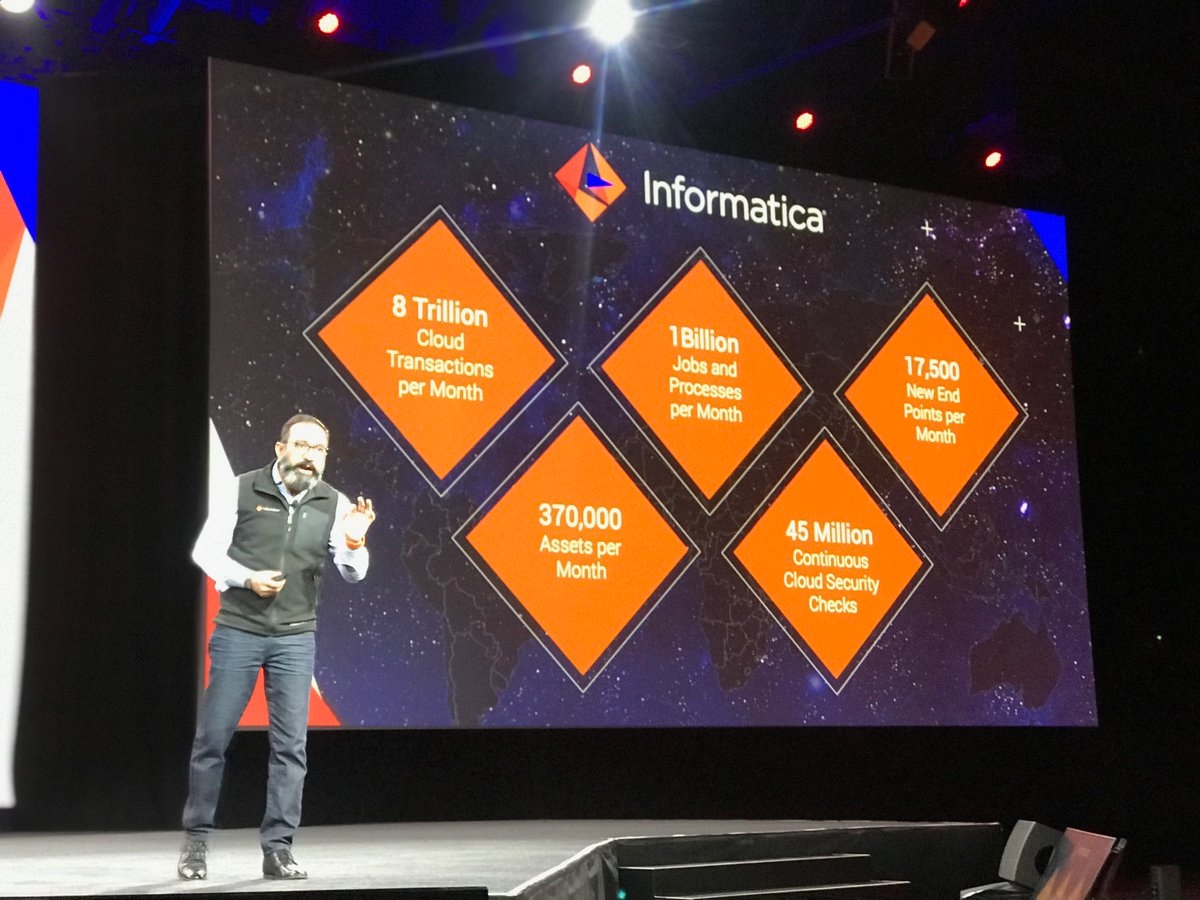
Informatica LLC has built its brand on covering the full spectrum of data management for real-world use cases. At the conference, its message was: “Data needs machine learning and AI; AI and machine learning need data. And any application of AI and machine learning is only as good as the data that’s been collected,” Knight said.
The company has positioned itself as the “Switzerland” of data — one software home where companies can manage data from anywhere and on any type of infrastructure. It’s been steadily bringing regulation and compliance under its umbrella. Can it work compliance into a single, comprehensive platform so that it doesn’t hinder ML and AI? By leveraging cloud and creating an abstraction layer, the company might pull it off and win big with SaaS companies, according to Furrier.
“If they could get that data back into the system quicker with all that regulation, that’s going to be a game changer,” he concluded.
Watch the complete video interview below, and be sure to check out more of SiliconANGLE’s and theCUBE’s coverage of the Informatica World 2019 event. (* Disclosure: TheCUBE is a paid media partner for Informatica World 2019. Neither Informatica LLC, the sponsor for theCUBE’s event coverage, nor other sponsors have editorial control over content on theCUBE or SiliconANGLE.)
… We’d like to tell you about our mission and how you can help us fulfill it. SiliconANGLE Media Inc.’s business model is based on the intrinsic value of the content, not advertising. Unlike many online publications, we don’t have a paywall or run banner advertising, because we want to keep our journalism open, without influence or the need to chase traffic.The journalism, reporting and commentary on SiliconANGLE — along with live, unscripted video from our Silicon Valley studio and globe-trotting video teams at theCUBE — take a lot of hard work, time and money. Keeping the quality high requires the support of sponsors who are aligned with our vision of ad-free journalism content.
If you like the reporting, video interviews and other ad-free content here, please take a moment to check out a sample of the video content supported by our sponsors, tweet your support, and keep coming back to SiliconANGLE.






