



 CLOUD
CLOUD
CLOUD
CLOUD
CLOUD

Google LLC today announced a series of updates to its popular Google Kubernetes Engine service at the KubeCon EU conference in Barcelona.
The updates include new release channels for early adopters to take advantage of the latest new features, support for Windows-based containers, and new monitoring tools via Stackdriver. GKE is a management and orchestration service for Docker containers that runs on Google’s public cloud infrastructure.
It’s based on Kubernetes, which is an open-source container management tool that was first developed by Google. GKE makes it much easier for enterprises to build and run container-based applications, which can be built just once and run on any kind of computing infrastructure. With GKE, tasks such as creating and resizing Docker containers, container pods, services and load balancers can be performed in just a few clicks. The service also makes it easier to resize application containers, update them and debug them in the event of any problems.
Google said GKE has proved to be extremely popular among enterprises that want to build and test new applications that demand extremely high levels of performance and scalability.
As one of Google’s flagship enterprise services, GKE is updated regularly whenever a new release of Kubernetes goes public, which means the service is almost always compatible with the latest new features.
But Aparna Sinha, director of product manageent for Kubernetes and Anthos at Google, said enterprises have differing requirements when it comes to how they use their Kubernetes clusters, and when to upgrade them. Typically, Google has always handled new Kubernetes releases itself, automating the delivery of new versions to GKE.
As of this month, that will change. In a blog post today, Sinha announced GKE will now offer three separate “release channels” in Alpha, including Rapid, Regular and Stable releases. Each version of GKE will be at a different level of maturity and stability, allowing customers to choose among less stable but newer features, or older versions that are less likely to break.
Google is making the Rapid channel available today, with the others to follow in the coming weeks as each version is stabilized.
The other big update for GKE today is the ability to deploy Windows-based containers. Up until now, all software containers deployed on GKE were based on the Linux operating system, but that’s no good for enterprises that rely on apps built exclusively for Microsoft Corp.’s servers, of which there are many.
The most recent Kubernetes 1.14 release added support for Windows nodes, and that has enabled Google to provide full support Windows Server Containers through its service. The feature is being made available in the new Rapid release channel, meaning it could still be a bit buggy.
Along with those new features, Google is making it easier for users to monitor their GKE deployments by way of its Stackdriver platform. Stackdriver Kubernetes Engine Monitoring is now generally available, providing a simple user interface from which administrators can observe the health of their Kubernetes clusters.
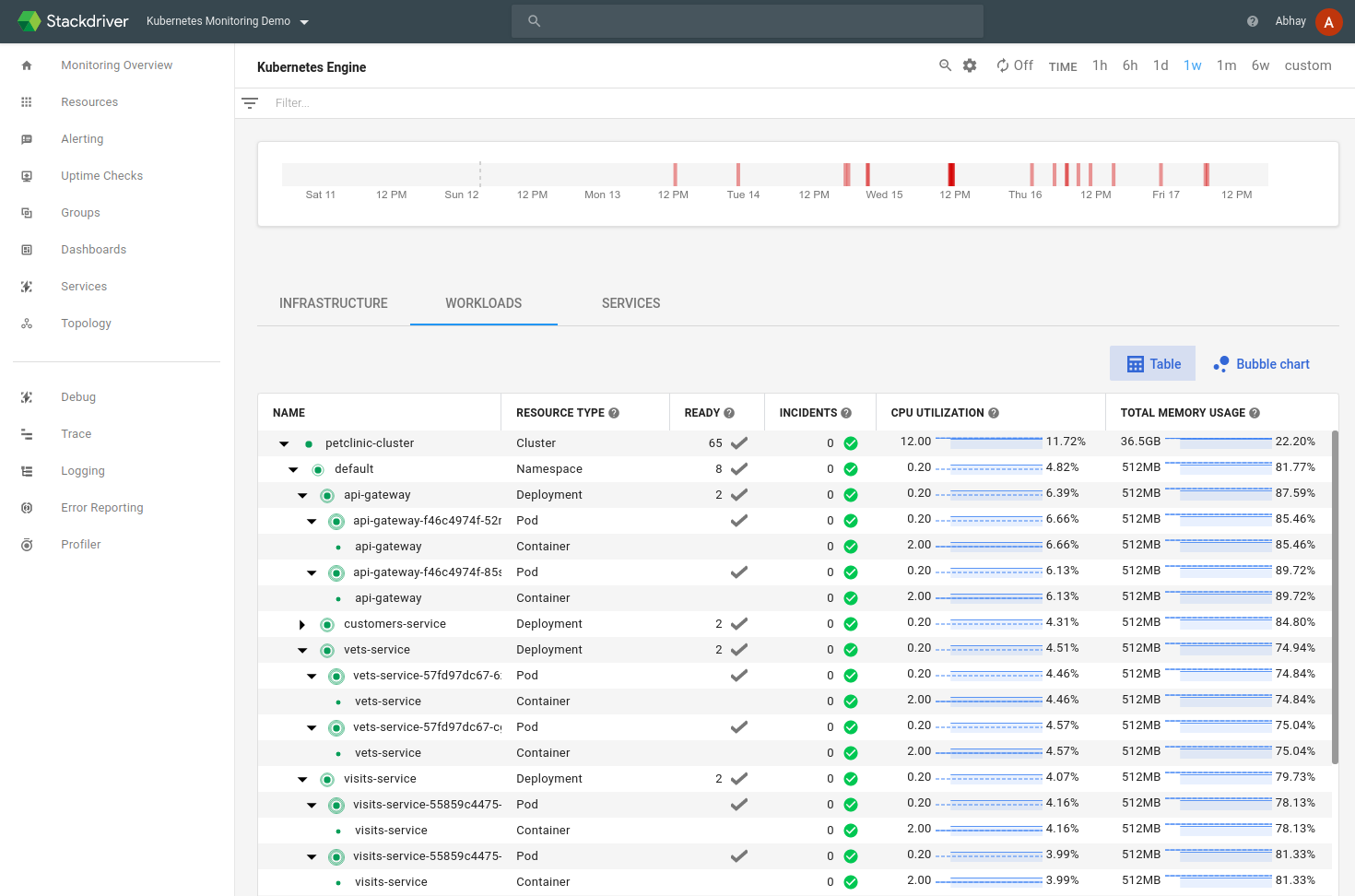
“Kubernetes Engine Monitoring gives you a comprehensive view into your Kubernetes environment, including infrastructure, application and service data with speed and reliability,” Sinha said. “It comes pre-integrated with GKE, so you can use it to improve the reliability of the services running there from the get-go.”
… We’d like to tell you about our mission and how you can help us fulfill it. SiliconANGLE Media Inc.’s business model is based on the intrinsic value of the content, not advertising. Unlike many online publications, we don’t have a paywall or run banner advertising, because we want to keep our journalism open, without influence or the need to chase traffic.The journalism, reporting and commentary on SiliconANGLE — along with live, unscripted video from our Silicon Valley studio and globe-trotting video teams at theCUBE — take a lot of hard work, time and money. Keeping the quality high requires the support of sponsors who are aligned with our vision of ad-free journalism content.
If you like the reporting, video interviews and other ad-free content here, please take a moment to check out a sample of the video content supported by our sponsors, tweet your support, and keep coming back to SiliconANGLE.






