



 EMERGING TECH
EMERGING TECH
EMERGING TECH
EMERGING TECH

Nonprofit consumer testing organization Consumer Reports has warned that the lane-changing feature in Tesla Inc.’s Autopilot is “far less competent” than a human driver and poses serious safety risks.
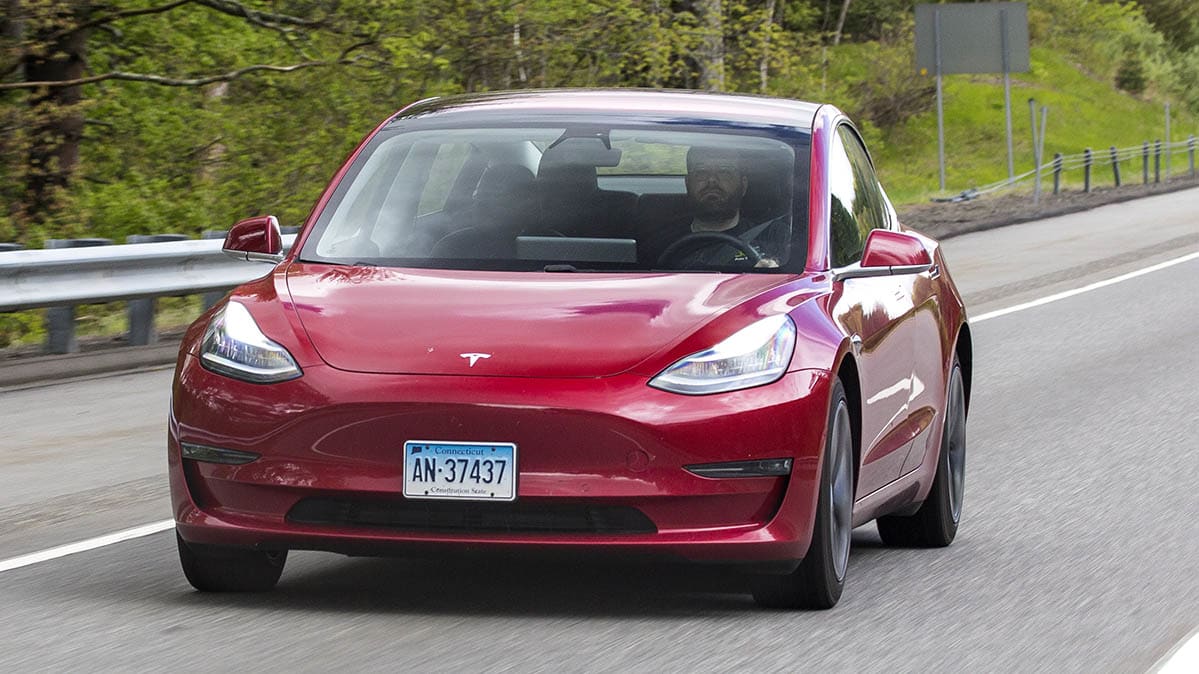
The finding came after the organization tested the feature using a Model 3 on roads in Connecticut following an update pushed out by Tesla to its vehicles in April and early May. Consumer Reports also interviewed several law enforcement officials.
Pitched by Tesla in a blog post as offering a more seamless form of navigation, the lane-changing feature was claimed to allow lane changes to happen automatically without human intervention. Although it sounds great in theory, in practice Consumer Reports all but said the feature is dangerous.
“In practice, we found that Navigate on Autopilot lagged far behind a human driver’s skill set,” Consumer Reports said on its website. “The feature cut off cars without leaving enough space and even passed other cars in ways that violate state laws, according to several law enforcement representatives CR interviewed for this report.”
Consumer Reports also said claims by Tesla that the feature, using three rear-facing cameras, can detect fast-approaching objects from the rear better than the average driver are false, at least according to its testing.
“The system has trouble responding to vehicles that approach quickly from behind,” explained Jake Fisher, Consumer Reports’ senior director of auto testing. “Because of this, the system will often cut off a vehicle that is going a much faster speed since it doesn’t seem to sense the oncoming car until it’s relatively close.”
Using the feature to merge into traffic is also claimed to be a problem. The technology is described as both being reluctant to do so and, when it does, often cuts off other vehicles.
In response, Tesla claimed that “it is the driver’s responsibility to remain in control of the car at all times, including safely executing lane changes,” that is despite the fact the feature is pitched as an advancement in self-driving technology.
Tesla’s Autopilot feature already has a questionable record, with multiple fatalities involving drivers using the feature. Although mostly cleared by authorities on the basis that the drivers of Tesla vehicles should have maintained control of their vehicles at all times versus Tesla’s self-driving car functionality, the company continues to pitch the service.
“Tesla is showing what not to do on the path toward self-driving cars: release increasingly automated driving systems that aren’t vetted properly,” said David Friedman, vice president of advocacy at Consumer Reports. “Before selling these systems, automakers should be required to give the public validated evidence of that system’s safety — backed by rigorous simulations, track testing and the use of safety drivers in real-world conditions.”
… We’d like to tell you about our mission and how you can help us fulfill it. SiliconANGLE Media Inc.’s business model is based on the intrinsic value of the content, not advertising. Unlike many online publications, we don’t have a paywall or run banner advertising, because we want to keep our journalism open, without influence or the need to chase traffic.The journalism, reporting and commentary on SiliconANGLE — along with live, unscripted video from our Silicon Valley studio and globe-trotting video teams at theCUBE — take a lot of hard work, time and money. Keeping the quality high requires the support of sponsors who are aligned with our vision of ad-free journalism content.
If you like the reporting, video interviews and other ad-free content here, please take a moment to check out a sample of the video content supported by our sponsors, tweet your support, and keep coming back to SiliconANGLE.






