



 CLOUD
CLOUD
CLOUD
CLOUD
CLOUD

Is the federal government finally ripe for technological disruption? As public agencies prepare to implement new cloud-driven technologies, coupled with a younger, more tech-savvy workforce, it could be setting the stage for significant change in the federal government’s information-technology profile.
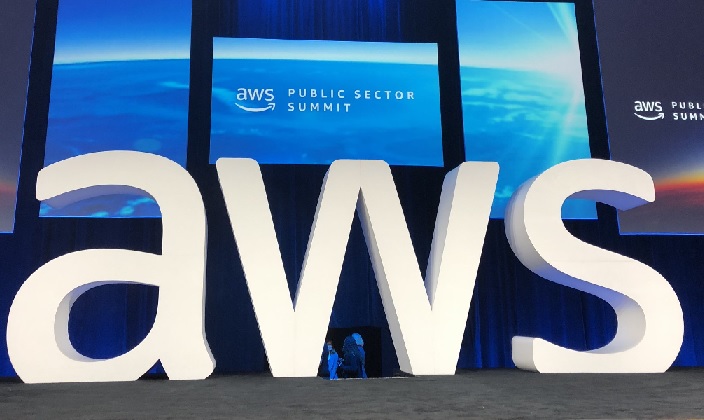
“That’s the biggest story in tech in D.C. in a long time — the role that cloud computing is playing in reshaping government and how the public sector operates,” said John Furrier, host of theCUBE, SiliconANGLE Media’s mobile livestreaming studio, during the opening day of the AWS Public Sector Summit in Washington, D.C. “A new generation of workers is coming in who have no dogma around IT technology, how it’s bought, consumed and purchased, and the overcharging that’s been going on for many years.”
Furrier was joined by co-host Rebecca Knight, and they discussed the government’s past history in tech procurement and the lack of understanding of industry issues among elected officials (see the full interview with transcript here). (* Disclosure below.)
If technology change does indeed come to the federal government, the procurement process is still complicated. The Department of Defense is expected to announce the recipient of its $10-billion cloud computing contract, known as JEDI, later this summer, although the process has been fraught with charges and counter-charges from other technology companies that have been critical of the “winner-take-all” deal.
The JEDI experience points to the challenge facing tech companies in dealing with a cumbersome, technologically antiquated and highly siloed process that remains part of doing business with the nation’s government.
“When Healthcare.gov was rolled out, it was revealed that many agencies were still using floppy disks,” Knight recalled. “It’s many different agencies, all with their own tech agendas and processes.”
The other challenge for service providers is a lack of understanding among elected officials around the dynamics of the technology world.
“On the elected official side, it’s weak; they’re really not that smart when it comes to tech,” Furrier said. “Elected officials have to become more tech-savvy. You can’t regulate and govern what you don’t understand.”
Here’s the complete video analysis, part of SiliconANGLE’s and theCUBE’s coverage of the AWS Public Sector Summit. (* Disclosure: TheCUBE is a paid media partner for the AWS Public Sector Summit. Neither Amazon Web Services Inc., the sponsor for theCUBE’s event coverage, nor other sponsors have editorial control over content on theCUBE or SiliconANGLE.)
… We’d like to tell you about our mission and how you can help us fulfill it. SiliconANGLE Media Inc.’s business model is based on the intrinsic value of the content, not advertising. Unlike many online publications, we don’t have a paywall or run banner advertising, because we want to keep our journalism open, without influence or the need to chase traffic.The journalism, reporting and commentary on SiliconANGLE — along with live, unscripted video from our Silicon Valley studio and globe-trotting video teams at theCUBE — take a lot of hard work, time and money. Keeping the quality high requires the support of sponsors who are aligned with our vision of ad-free journalism content.
If you like the reporting, video interviews and other ad-free content here, please take a moment to check out a sample of the video content supported by our sponsors, tweet your support, and keep coming back to SiliconANGLE.






