



 POLICY
POLICY
POLICY
POLICY

Samsung Electronics Co. Ltd. is facing a potential regulatory fine in Australia over a series of ads that authorities charge misled consumers.
The ACCC, Australia’s competition watchdog, has filed a lawsuit accusing the phonemaker of exaggerating the water resistance of several handset models. The body named more than a dozen products in its announcement of the legal action today. Among them is Samsung’s Galaxy S10 flagship smartphone and its latest-generation Note 9 premium phablet.
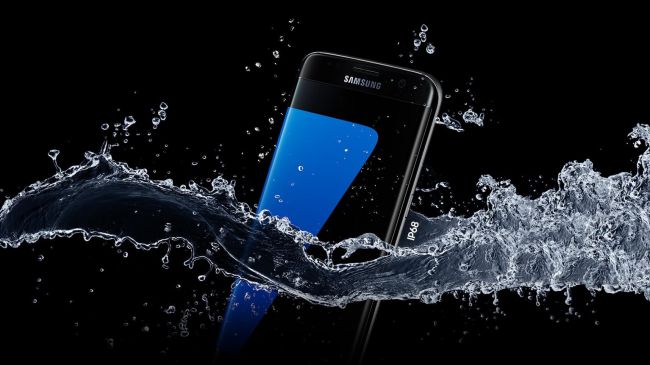
Since 2016, Samsung has run more than 300 ads in Australia that depicted its devices being used in settings such as the ocean and the bottom of swimming pools. The ACCC alleged that these advertisements amount to a misrepresentation of the phones’ water resistance.
The Galaxy S10, Note 9 and other recent Samsung devices only have a IP68 waterproofing rating. This means that they can withstand a plunge of up to 1.5 meters (4.9 feet), but for no longer than 30 minutes and only in freshwater.
Samsung highlights its devices’ IP68 rating on its website, with the page for the S10 explicitly stating that the phone is not suitable for not use near a pool or at the beach. But the suit argues that the company nevertheless violated the Australian Consumer Law with its ads. The ACCC’s position is that the company “denied consumers an informed choice” when it comes to buying new mobile devices.
ACCC chair Rod Sims said in a statement that “Samsung itself has acknowledged that water resistance is an important factor influencing Australian consumer decisions when they choose what mobile phone to purchase.”
On top of the product misrepresentation allegations, the watchdog charges that the phonemaker denied warranty claims from some consumers whose devices suffered water damage. Samsung disputed the allegations in a statement to Reuters, adding that it stands by its advertising and will challenge the suit.
Each individual violation of the Australia Consumer Law carries a maximum fine of A$10 million ($7 million) or up to 10% of a company’s yearly revenue. Violations from before September 2018 carry a lower but still significant A$1.1 million maximum penalty.
… We’d like to tell you about our mission and how you can help us fulfill it. SiliconANGLE Media Inc.’s business model is based on the intrinsic value of the content, not advertising. Unlike many online publications, we don’t have a paywall or run banner advertising, because we want to keep our journalism open, without influence or the need to chase traffic.The journalism, reporting and commentary on SiliconANGLE — along with live, unscripted video from our Silicon Valley studio and globe-trotting video teams at theCUBE — take a lot of hard work, time and money. Keeping the quality high requires the support of sponsors who are aligned with our vision of ad-free journalism content.
If you like the reporting, video interviews and other ad-free content here, please take a moment to check out a sample of the video content supported by our sponsors, tweet your support, and keep coming back to SiliconANGLE.






