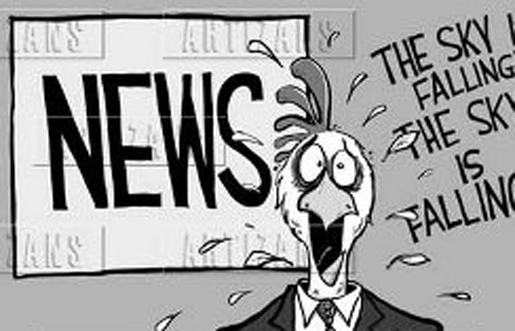







 Amazon Web Services (AWS) faced another outage today. This time caused by an electrical storm.
And of course, the critics went wild.
It;’s now pretty much a media event every time AWS has an outage. AWS keeps pretty quiet about the outages, letting its service health dashboard tell the story.
Here’s what’s to report when we last looked:
10:16 PM PDT We are investigating elevated error rates impacting a limited number customers. The high error rates appear related to a recent loss of power in a single US-EAST-1 Availability Zone. We are working to recover the impacted search domains and reduce the error rates which they are experiencing.
And earlier:
8:48 PM PDT CloudWatch metrics for EC2, ELB, RDS, and EBS are delayed due to lost power due to electrical storms in the area. CloudWatch alarms set on delayed metrics may transition into INSUFFICIENT DATA state. Please see EC2 status for the latest information.
Update:
10:19 PM PDT CloudWatch metrics and alarms are now operating normally.
But this is really not that big of a deal. There were issues for Heroku, Netflix and Instagram customers but overall the impact was minimal.
In reality, data centers go down all the time.
In 2009, there were outages when Michael Jackson died. In that same year, Air New Zealand’s reservation system went down for six hours after a generator failure in an Auckland IBM data center crashed the airline’s reservations system.
According to Information Week, a study last year by the Ponemon Institute found that 95% of those surveyed experienced one or more unplanned data center outages in the previous two years. Total outages were reported to happen at least once a year.
Those outages most often happen in private data centers, not public ones like Amazon Web Services. The costs are significant for enterprise customers:
The costs get larger for enterprises that depend on a data center’s ability to deliver IT and networking services to customers, such as telecommunications service providers and e-commerce companies. A data center outage in these situations costs more than $1 million (or more than $11,000 per minute).
It’s so easy to point out AWS. But that ignores the reality that data centers actually go down all the time.
Support our mission to keep content open and free by engaging with theCUBE community. Join theCUBE’s Alumni Trust Network, where technology leaders connect, share intelligence and create opportunities.
Founded by tech visionaries John Furrier and Dave Vellante, SiliconANGLE Media has built a dynamic ecosystem of industry-leading digital media brands that reach 15+ million elite tech professionals. Our new proprietary theCUBE AI Video Cloud is breaking ground in audience interaction, leveraging theCUBEai.com neural network to help technology companies make data-driven decisions and stay at the forefront of industry conversations.





