







 Despite the speculation about Microsoft’s future in the face of the growth of popularity of iOS and Android tablets and smartphones, the Giant of Redmond is actually in a strong position in the market, writes Wikibon Analyst, Founder & Managing Consultant of the 1610 Group, and former CIO Scott Lowe in his latest Professional Alert. In the Alert, “CIOs: Microsoft is positioning itself as the platform of the future”, he analyzes the strong positions of Office 365, Azure, and Hyper-V, and the riskier one of Windows 8.
Office 365 lags Google Docs in total subscribership, probably in part because Google Docs is free, although Office 365 has much greater functionality. However, the source Lowe cites for this information is making a straight cloud service vs. cloud service comparison. When on-premise software is included, Microsoft Office is still far ahead, and a survey of businesses in the UK shows that 37% of respondents plan to deploy Office 365 within two years, while only 15% plan to use Google Apps, which augers well for Microsoft in the future.
Microsoft’s Azure cloud platform and service offerings are growing rapidly and have crossed the $1 billion threshold. Azure commands about 20% of the cloud market compared to 71% for Amazon Web Services, and analysts are projecting that Azure will expand to 35% next year, mainly at the expense of AWS. At its TechEd 2013 conference, Microsoft made several announcements designed to make Azure more competitive.
Hyper-V’s market share has increased from 20.3% in 2008 to 27.5% of a much larger market by 2013. This year Wikibon has heard increased interest in Hyper-V as an alternative to VMware from its community of IT professionals. And Windows Server 2012 R2, due for release in late 2013, will include several important improvements to Hyper-V that should increase that interest.
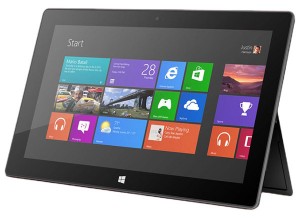
Microsoft is most vulnerable, Lowe says, in the end-user market. Windows 8 has not so far been a great success, and of course the great growth in sales of tablets in the consumer market, partly at the expense of Windows laptops and desktops, has been well documented in the press. However, most clients for enterprise systems-of-record run on Windows, and Office remains dominant on business desktops. Lowe expects that much of the loss of Windows end-point software will be to virtual desktops. Windows continues to push its Surface Pro, and the laptop makers are churning out Windows-based convertible laptop/tablets as their next generation PCs. These will presumably be taken up in offices through their normal three-year replacement schedule, so that in three-to-five years most business users will have either a Windows tablet or a device running a virtual desktop that probably will be delivering Office and other Microsoft applications to end-users.
Overall, Lowe says, Microsoft is positioning itself well as a provider for the future in the business marketplace, allowing organizations to seamlessly migrate workloads between on- and off-premise services.
Like all Wikibon research, this Alert is available in full without charge on the Wikibon site. Interested IT professionals are invited to join the Wikibon community, which is without charge and allows them to comment on research and post their own questions, tips, and papers. It also gives them invitations to the Wikibon Peer Incite meetings at which their peers discuss how they are using advanced technologies to solve real-world business and technical problems.
Support our mission to keep content open and free by engaging with theCUBE community. Join theCUBE’s Alumni Trust Network, where technology leaders connect, share intelligence and create opportunities.
Founded by tech visionaries John Furrier and Dave Vellante, SiliconANGLE Media has built a dynamic ecosystem of industry-leading digital media brands that reach 15+ million elite tech professionals. Our new proprietary theCUBE AI Video Cloud is breaking ground in audience interaction, leveraging theCUBEai.com neural network to help technology companies make data-driven decisions and stay at the forefront of industry conversations.




