






 Facebook is said to be reconsidering the way its privacy policy is written in an effort to make it easier for its users to understand what they’re signing up for. Basically, Facebook says that the moment you sign up for the service and agree to its terms, you give them permission to use and sell your data. Though you can restrict some of your information so advertisers can’t get a hold of it, details such as your username, email address, mobile number, profile photo and anything that you share publicly are all fair game.
In other words, we’re throwing away all of our privacy rights the moment we sign up, right? In a way, that’s true. Facebook is a social networking site after all, one that people sign up for either to connect friends or to network and meet new people. If you don’t want anyone to know about you, see your photos, read your posts, know your interests and so on, then it’s quite simple really – don’t sign up for Facebook. Because even if you restrict your profile, Facebook itself can access all of your information, so nothing you tell can be considered really ‘private’.
Of course, the more clued-up web users have known that this is the case all along. Most of us understand what we’re getting into when we agree to use a site like Facebook, a service like Gmail and so on, but we’re quickly approaching a new era in which these sites will be the least of our privacy concerns, as newer, far more invasive technologies slowly become a fixture in our lives.
What we’re talking about is smart gadgets – smartphones, smart watches, wearable tech etc.
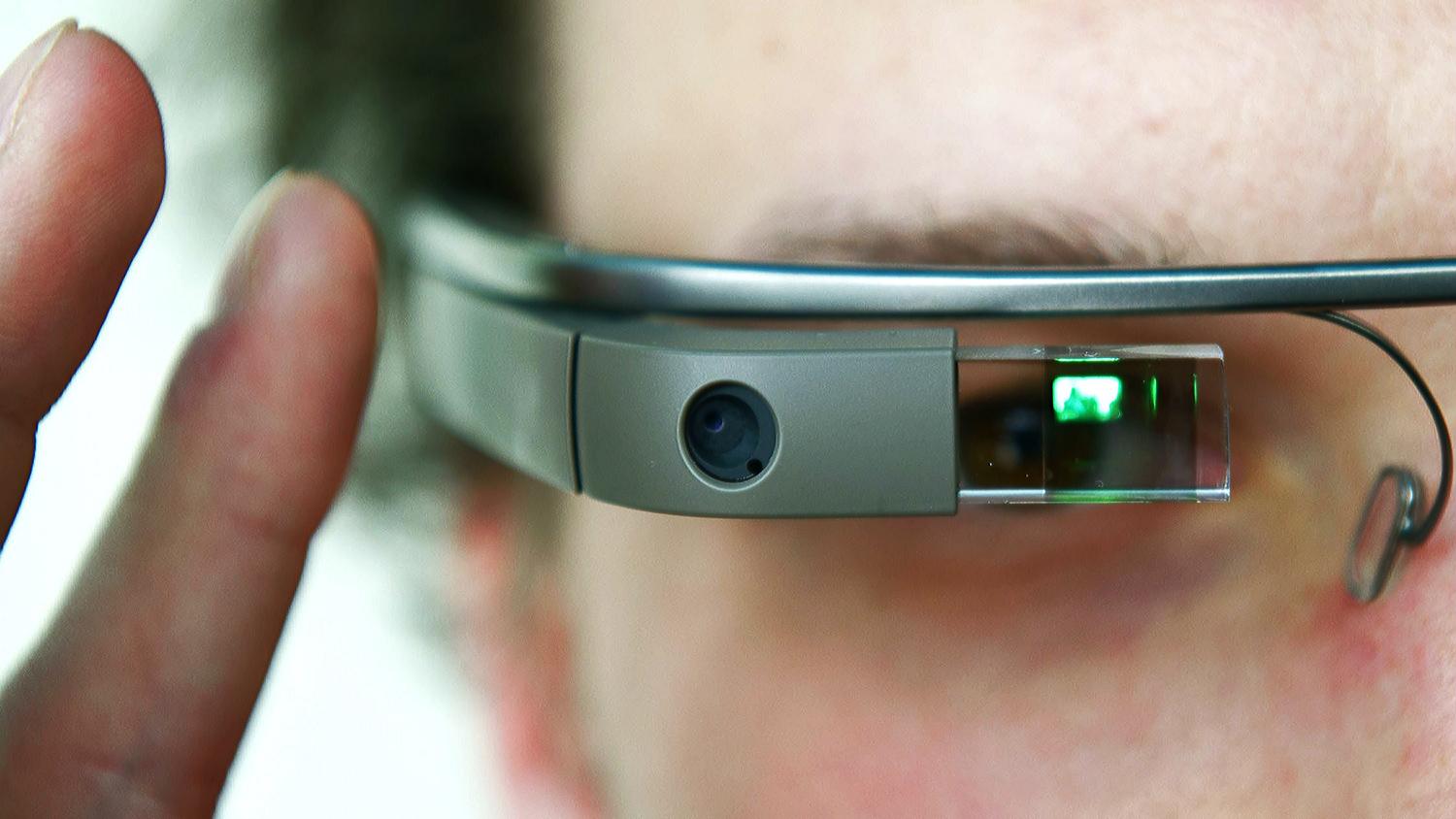
 Some say that wearable technology like Google Glass and the Memoto violate people’s privacy in new and more threatening ways, as these gadgets can be used to spy on people and and snap photos while they’re completely unaware. Few will deny that these gadgets can be used in a very creepy manner, but we should also remember that these things weren’t made for that purpose.
Any device, even an analog camera, can be used for spying. And if you’re worried about anyone’s image getting caught in the background when using Google Glass or Memoto to take a photo, just remember that it’s no different to passers by being caught in the frame when you’re taking photos with your disposable camera. How many vacation photos have you deleted because there was a naked man or weird looking person in the background? We can’t avoid these things, but it’s what we do with these photos or videos after taking them that counts – we certainly don’t question whether or not we should be allowed to use such cameras. If people are using Memoto to take photos of their lives and not of random people, these privacy concerns aren’t an issue. It’s all about proper etiquette.
Up next is Google Now. Yes, it does feel creepy when your smartphone knows what things you like and can tell you when you’ll be late for your flight, but isn’t that the point of buying a smartphone in the first place? The point of these devices is that the more you use them, the more it learns, the better it works. Let’s translate this to real life, real people. If you get freaked out that your smartphone knows your favorite NFL team and tells you the score when they’re playing, then why aren’t you freaked out that the barista in your favorite coffee shop knows your order the moment you walk in? Just as with real people, gadgets are now capable of learning, that’s why they’re given the ‘smart’ tag after all.
Same goes for smart cars and navigation systems. If you’re freaked out that the little screen on your car knows exactly where you are, where you’ve been, and where you’re heading, then you shouldn’t be using it in the first place. Those systems are primarily designed to help you in case you get lost – it’s designed to tell you how to get to your destination, and to do that it needs to know where you are, where you’ve been, and where you’re going next.
Using smart technologies doesn’t necessarily mean that you’re giving up your privacy. In most cases, these devices grab the same basic information each time, such as your name, email address, mobile number – information you freely give away to anyone who needs to be able to get in touch with you. If you don’t like someone, it’s simple – you don’t out that kind of information, and it’s the same smart gadgets.
Support our mission to keep content open and free by engaging with theCUBE community. Join theCUBE’s Alumni Trust Network, where technology leaders connect, share intelligence and create opportunities.
Founded by tech visionaries John Furrier and Dave Vellante, SiliconANGLE Media has built a dynamic ecosystem of industry-leading digital media brands that reach 15+ million elite tech professionals. Our new proprietary theCUBE AI Video Cloud is breaking ground in audience interaction, leveraging theCUBEai.com neural network to help technology companies make data-driven decisions and stay at the forefront of industry conversations.





