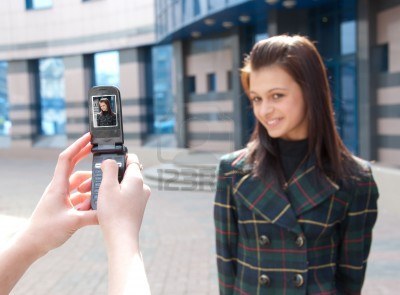







 Google has a lot more up its sleeves today than just unleashing Android KitKat on more devices, as it’s announced plans to make photographers better appreciate the cameras on their Android smartphones.
Google spokeswoman Gina Scigliano confirmed in an interview with CNet that the source codes for raw and burst photos are now present in Android’s hardware abstraction layer (HAL), which is the part of the OS that handles communications with mobile device’s actual hardware.
“Android’s latest camera HAL (hardware abstraction layer) and framework supports raw and burst-mode photography,” Scigliano said.
“We will expose a developer API [application programming interface] in a future release to expose more of the HAL functionality.”
Raw and burst photos will give rise to better image processing for Android smartphones. Raw photos are typically available with high-end cameras. These are the photos that require manual processing to give images more balanced lighting and sharper detail. The images look good, but processing them in this way takes a lot of work, especially if all you know is how to point-and-shoot. Burst mode is already available on some smartphones – this is where the camera takes a series of photos in different settings then processes those images and melds them together to produce one stunning shot. This feature is ideal for those who don’t care much about editing their photos, as it basically does the job for you.
“The core concept of the new HAL and future API is centered around burst-mode photography,” Scigliano said.
“The basic idea is instead of taking a single shot with a given set of parameters, you instead have the power to queue up a request to take multiple shots each with different parameter settings such as exposure gain. The camera subsystem captures a the burst of shots, which can be subsequently post-processed by the application layer.”
Lens and sensors play a big role in taking great images and these source codes aim to improve the function of existing cameras on Android phones.
Also, not only will these improvements result in better photos, it’s also great news for developers as they’ll be able to better integrate the abilities with their own apps. We can expect to see a big improvement in camera apps with more innovation in the near future as a result of these changes.
Support our mission to keep content open and free by engaging with theCUBE community. Join theCUBE’s Alumni Trust Network, where technology leaders connect, share intelligence and create opportunities.
Founded by tech visionaries John Furrier and Dave Vellante, SiliconANGLE Media has built a dynamic ecosystem of industry-leading digital media brands that reach 15+ million elite tech professionals. Our new proprietary theCUBE AI Video Cloud is breaking ground in audience interaction, leveraging theCUBEai.com neural network to help technology companies make data-driven decisions and stay at the forefront of industry conversations.





