







 This week’s Smart World Series features more personalized TV efforts, smart contact lenses that received patent approval, and Europe taking the lead in the smart world race.
For those who missed this week’s Smart World Series, here’s a chance to catch up on the exciting developments happening in the connected world. Each week, SiliconANGLE rounds up top news trends regarding smart homes and cars, smart data centers and servers, smart offices and all things related to the Internet of Things.
Internet of Things to deliver more personalized TV
TV Everywhere just may get even better, as Alticast unveiled its “Simplify the Future TV” solutions at the recently concluded The Cable Show event. The new solutions will allow cable operators to deliver a more personalized TV experience to its customers as they leverage the Reference Design Kit (RDK), the popular pre-integrated software bundle for customer-premises equipment. The new solutions also include AltiView II, the Alticast Application Store, and Cloud-DVR option.
Find out more about how Alticast is revolutionizing the TV, as well as other efforts in the connected home, in this week’s Smart Living roundup.
.
Wearable tech market gets patents, funding as Nike shies away
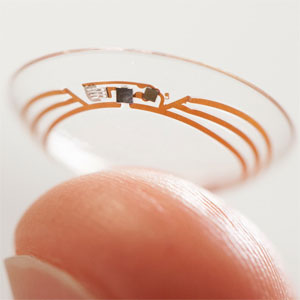
Diabetics may one day be able to monitor their blood glucose level without having to endure the painful task of pricking their fingers, if Google is able to release its smart contact lenses in the consumer market. Google’s smart contact lens, which will be equipped with flexible sensors and antenna, will be able to detect blood glucose level by interacting with human tear fluid and transmit readings to a user’s smartphone. The search giant has been awarded a patent, Microelectrodes In An Ophthalmic Electrochemical Sensor, taking the technology a step closer to reality.
Find out more about Google’s smart contact lens and other news in wearable tech in this week’s Smart Health roundup.
.
Europe leads smart city adaption, despite old world challenges
Despite being faced with a financial crisis, Europe is ahead of the US in the smart city adaption. This is attributed to European governments backing smart city initiatives, as well as working with local talent. The goal is to turn their cities into smart ones through projects that reduce energy and water consumption, and staying on top of things such as timely garbage disposal and using sensors to determine when it’s time to water plants in parks.
Learn more about Europe’s strategy in and how New York aims to utilize renewable energy in this week’s Smart City roundup.
Tune in next week for more interesting stories, discoveries and innovations in the world of smart and connected things.
Support our mission to keep content open and free by engaging with theCUBE community. Join theCUBE’s Alumni Trust Network, where technology leaders connect, share intelligence and create opportunities.
Founded by tech visionaries John Furrier and Dave Vellante, SiliconANGLE Media has built a dynamic ecosystem of industry-leading digital media brands that reach 15+ million elite tech professionals. Our new proprietary theCUBE AI Video Cloud is breaking ground in audience interaction, leveraging theCUBEai.com neural network to help technology companies make data-driven decisions and stay at the forefront of industry conversations.




