



 NEWS
NEWS
NEWS
NEWS
NEWS


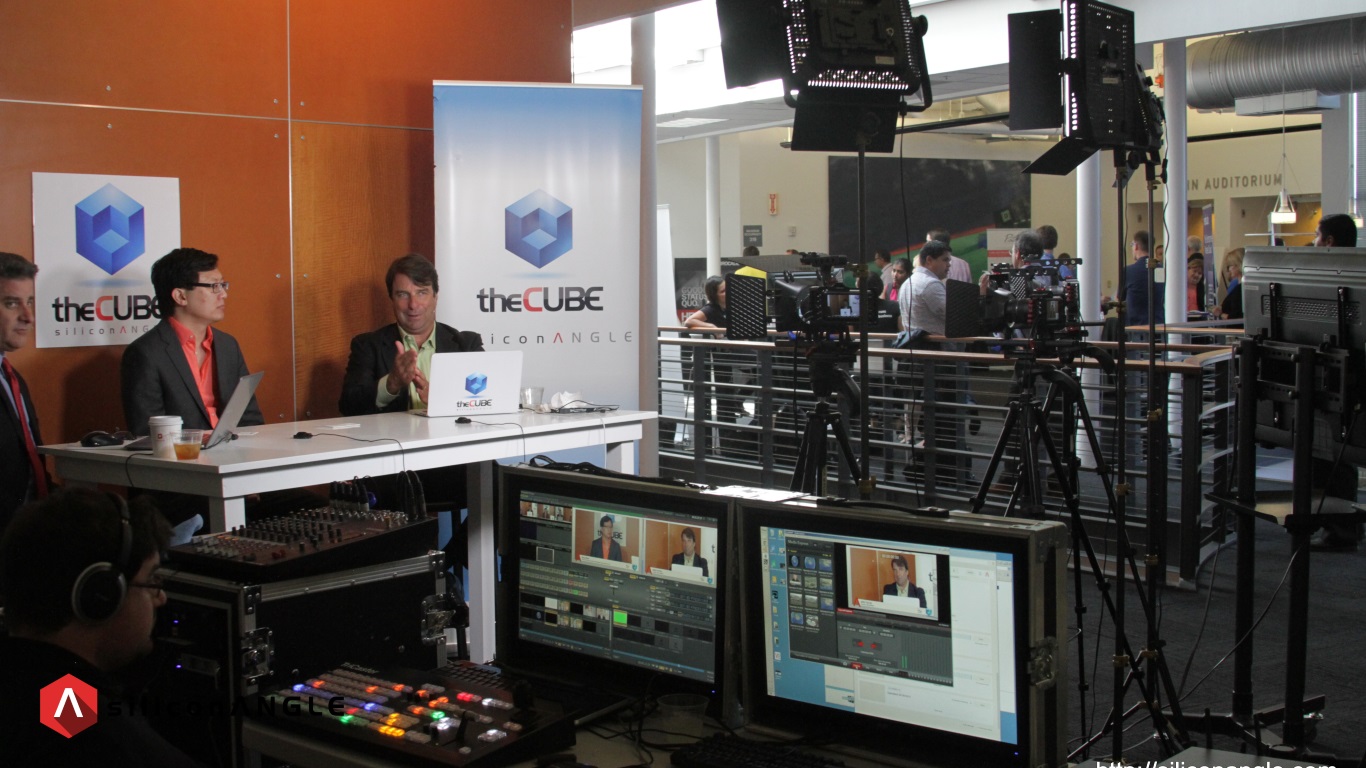
theCUBE Live At OpenStackSV
The battle for the enterprise cloud continues to heat up as players on both sides of the competitive divide step up their efforts to secure dominance in the future of corporate computing. Last week saw a shotgun wedding of sorts between two technology titans, but it was the open-source camp that set the pace when Canonical Ltd. bundled the latest release of OpenStack into its wildly popular Linux flavor.
Introduced just a few days prior, the tenth “Juno” edition of the fast-growing cloud framework brings with it several major improvements, most notably the inclusion of Sahara, a component that adds integration with Hadoop and third party management tools to the the batch processing engine. Besides Juno’s enhancements, Ubuntu 14.10 – whose debut just so happens to fall on the tenth anniversary of the operating system’s own launch – also features deeper support for Docker – which allows users without root privileges to create containers – along with an updated infrastructure management console.
At the other end of the enterprise cloud tug-of-war, rivals IBM and Microsoft have struck a reluctant alliance that will put both giants in a better position to compete against common rival Amazon Web Services. Under the partnership, the two companies giant will make several of their respective core solutions available on one another’s public clouds and IBM will most notably integrate the popular .NET framework into its Bluemix platform-as-a-service stack.
Meanwhile, Google – the third biggest player in the infrastructure-as-a-service space behind Microsoft and AWS – also bolstered its public cloud with the acquisition of Firebase Inc., a mobile backend provider with a real-time database that requires minimal tinkering on behalf of developers. The deal, the terms of which were not disclosed, will help the search giant level the field against its top rivals as well emerging competitors like Canonical arch-nemesis Red Hat Inc., which picked up a backend-as-a-service startup of its own last month for over $80 million.
… We’d like to tell you about our mission and how you can help us fulfill it. SiliconANGLE Media Inc.’s business model is based on the intrinsic value of the content, not advertising. Unlike many online publications, we don’t have a paywall or run banner advertising, because we want to keep our journalism open, without influence or the need to chase traffic.The journalism, reporting and commentary on SiliconANGLE — along with live, unscripted video from our Silicon Valley studio and globe-trotting video teams at theCUBE — take a lot of hard work, time and money. Keeping the quality high requires the support of sponsors who are aligned with our vision of ad-free journalism content.
If you like the reporting, video interviews and other ad-free content here, please take a moment to check out a sample of the video content supported by our sponsors, tweet your support, and keep coming back to SiliconANGLE.






