







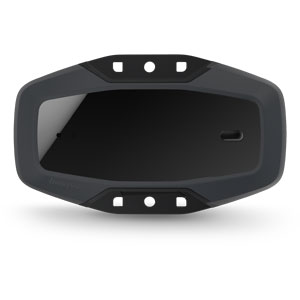
 A group of ex-Nokia employees, founders of a Finnish startup named Haltian, have launched a Kickstarter crowdfunding campaign to bring the Internet of Things to the hands of developers. The campaign promises to deliver a cheap, sleek hardware platform in the form of the Thingsee One.
The Internet of Things is an ever-growing ecology that is an obvious outgrowth of mobile devices and many large corporations are jumping on board with this phenomenon. Developers are being drawn along with this anticipation, as ARM’s VP of VP of strategy for the Internet of Things business unit Kerry McGuire explained at IBM Impact earlier this year.
McGuire argued that the most Internet of Things products would come from small startups.
Haltian has obviously taken this to heart with the development of the Thingsee One.
The Kickstarter will run over the next 30 days and the company is asking for an impressive $99,000. The Kickstarter has been running less than 24 hours and has already received over $27,000 from 168 backers. With this sort of inertia, assuming it keeps up, that goal will likely be reached way before the time is up.
The pre-order price of the Thingsee One appears to be $299. This is also one of the Kickstarter donation tiers for the Kickstarter project.
The developer angle and the Thingsee One
The Thingsee One is a hardware platform with a mission designed to bring the Internet of Things to developers of all stripe. And it is also open source, which means everything from hardware to software is easily modified and accessible.
The Thingsee One provides a large number of functions for connectivity including GPRS, WLAN, Bluetooth and Micro USB 2.0 built in, and is equipped with a variety of sensors. Developers can access a gyroscope, an accelerometer, humidity and temperature sensors. It is also possible to wirelessly connect additional sensors (not included in the standard product) via Bluetooth, or GPIO (general purpose input/output) pins on the printed circuit board.
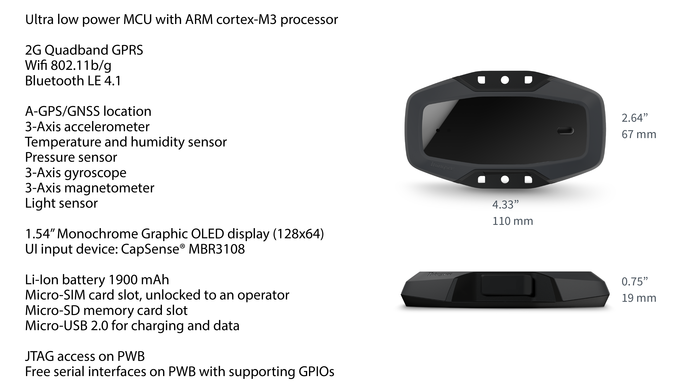
Mobile and web developers can use the Thingsee Backend SDK to get started. It is based on NodeJS and the open source Meshblu platform. As a result, devs can use their favorite language or framework to hook in. As the device is capable of sending data over HTTP examples of popular frameworks could be NodeJS, Ruby on Rails, PHP, or any other web-based framework.
Embedded developers are most certainly not left out and can access the specs for the device as well as the firmware via a GitHub repository. The device firmware is based on the open source RTOS project and the capabilities of the device can be extended using C, C++ or Assembly.
Support our mission to keep content open and free by engaging with theCUBE community. Join theCUBE’s Alumni Trust Network, where technology leaders connect, share intelligence and create opportunities.
Founded by tech visionaries John Furrier and Dave Vellante, SiliconANGLE Media has built a dynamic ecosystem of industry-leading digital media brands that reach 15+ million elite tech professionals. Our new proprietary theCUBE AI Video Cloud is breaking ground in audience interaction, leveraging theCUBEai.com neural network to help technology companies make data-driven decisions and stay at the forefront of industry conversations.




