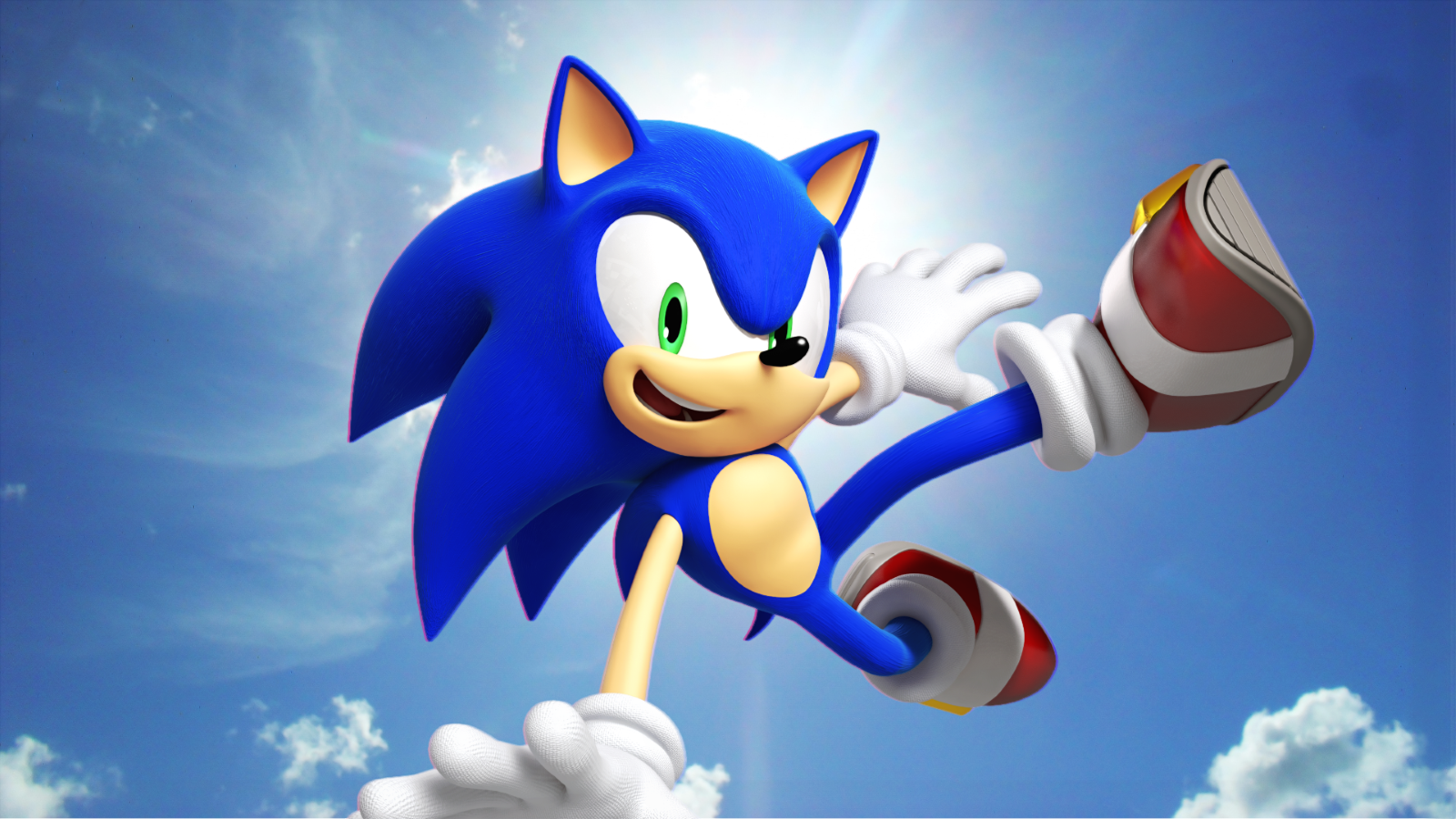







 There was a time when Sonic the Hedgehog stood on almost equal footing with Mario as the mascot of video games. He even had his own morning cartoon show where he was voiced by Jaleel White at the height of his Steve Urkel fame, and the franchise as a whole has sold over 80 million copies.
But the years have not been as kind to the blue hedgehog as they have to the Italian plumber, and the most recent Sonic game, Sonic Boom, is the poorest selling game of the entire franchise’s history.
Sonic’s first game was Sonic the Hedgehog, which was published by Sega in 1991 for the Sega Genesis. The game was incredibly successful, selling over 15 million copies, and Sonic quickly became Sega’s new mascot.
Sonic the Hedgehog 2 was the franchise’s second highest selling title, but it was also decidedly less popular than the first game, selling only 6 million copies. The third game sold even fewer, and it was only downhill from there.
Just as Mario games remained on Nintendo’s platforms, Sonic stayed with Sega, but unfortunately the company’s innovative yet ill-timed console, the Sega Dreamcast, was a financial disaster. The Dreamcast was the first of the so called “sixth generation” consoles, which included the PlayStation 2, Xbox, and Nintendo Gamecube.
Despite boasting online multiplayer and a built in web browser, the Dreamcast suffered from poor sales and was discontinued less than two years after its North American release. The Dreamcast would be the last console developed by Sega, and the company shifted entirely to being a third-party game developer. From that point on, Sonic would be released on non-Sega consoles, including those of Sega’s former rival, Nintendo.
Sonic had several moderately successful titles in the years following the Dreamcast’s demise, including 2008’s Sonic Unleashed and 2012’s Sonic Generations. But the most recent game, Sonic Boom, not only failed to sell over 1 million copies—it didn’t even sell half that number. The game provoked a strong negative reaction from Sonic fans, many of whom believed the former game icon deserved better.
“My advice,” writes Forbes’ Paul Tassi; “Simply follow through with the inevitable surrender that’s been 20 years in the making, and sell the IP to Nintendo once and for all.”
Support our mission to keep content open and free by engaging with theCUBE community. Join theCUBE’s Alumni Trust Network, where technology leaders connect, share intelligence and create opportunities.
Founded by tech visionaries John Furrier and Dave Vellante, SiliconANGLE Media has built a dynamic ecosystem of industry-leading digital media brands that reach 15+ million elite tech professionals. Our new proprietary theCUBE AI Video Cloud is breaking ground in audience interaction, leveraging theCUBEai.com neural network to help technology companies make data-driven decisions and stay at the forefront of industry conversations.







