






 When many think bank robberies they may think of balaclava-wearing crooks with shot guns terrorising bank employees, but in 2015 bank robbery is a far more subtle affair involving multi-national crime gangs hacking into bank systems using malware.
In a report to be published Monday, security firm Kaspersky details malware attacks that have stolen at least $300 million from over 100 financial institutions in 30 countries.
The majority of the targets were in Russia, but many were in Japan, the United States and Europe.
The criminals use a two-step method to infiltrate their targets: after initially tricking bank employees into installing malware (Carbanak) through spoofed email, they then spy on staff in order to mimic their behavior and prevent any telltale signs that the money they are attempting to access is being done so by people outside of the banks.
To access funds, most attacks attempted to transfer the money to an outside account, although in some cases attacks would send cash to ATMs monitored by the criminals involved.
Though, Kaspersky noted the $300 million headline figure could be at least three times higher again; the criminals were limited to transactions no higher that $10 million per attack, and some banks had been hit multiple times making it difficult to measure just how much had been stolen over time. In other cases there were many smaller transactions which may not have alerted bank systems.
With some of those small fraudulent transactions, customers in particular may have never noticed their accounts being accessed. The hackers would change the balance on an account with $1000 to $10,000, then transfer the additional $9,000 to an external bank account.
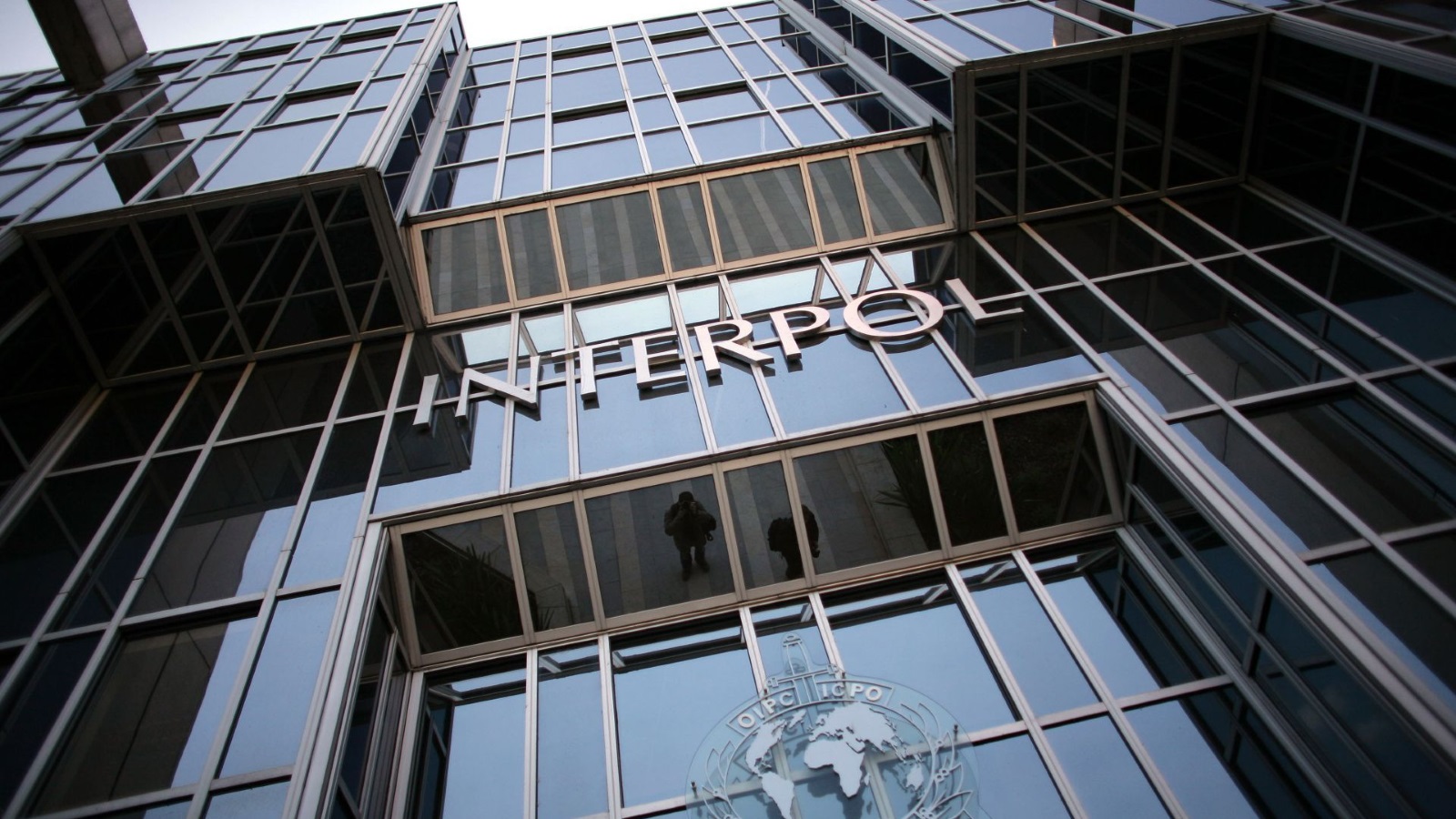
“These attacks again underline the fact that criminals will exploit any vulnerability in any system,” Sanjay Virmani, director of Interpol Digital Crime Center, told Reuters. “It also highlights the fact that no sector can consider itself immune to attack and must constantly address their security procedures.”
photo credit: Portrait of a boy wearing a mask holding a rifle via photopin (license)
Support our mission to keep content open and free by engaging with theCUBE community. Join theCUBE’s Alumni Trust Network, where technology leaders connect, share intelligence and create opportunities.
Founded by tech visionaries John Furrier and Dave Vellante, SiliconANGLE Media has built a dynamic ecosystem of industry-leading digital media brands that reach 15+ million elite tech professionals. Our new proprietary theCUBE AI Video Cloud is breaking ground in audience interaction, leveraging theCUBEai.com neural network to help technology companies make data-driven decisions and stay at the forefront of industry conversations.





