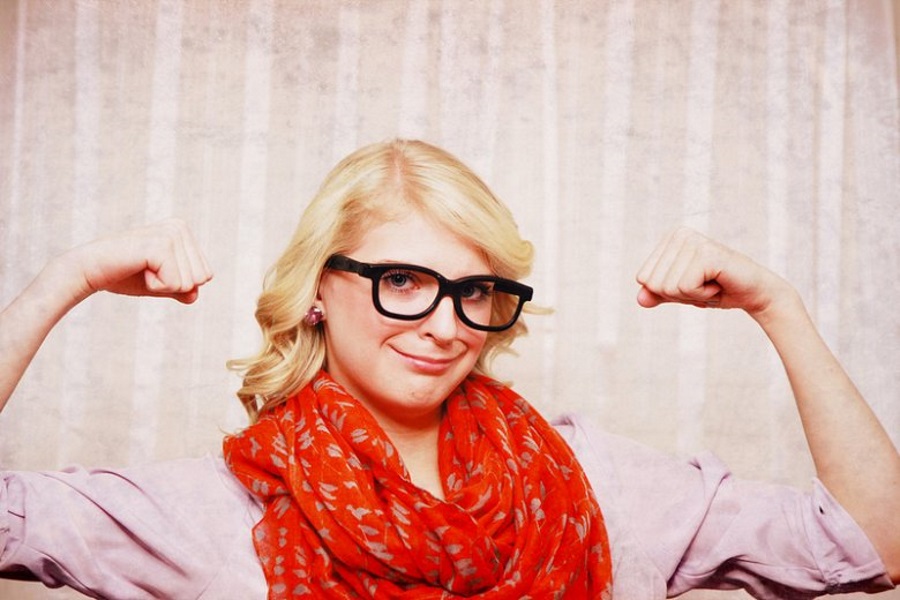







Long before geek became a fashion statement, it was a subcultural movement that could include everyone from band kids to mathletes and everything in between.
The geek label has been applied so liberally lately that it is hard to define just what exactly a geek is anymore, and with today being Geek Pride Day, now is a good time to talk about what makes up a geek.
The word geek originally referred to sideshow freaks, the sort who would bite the heads off snakes. Today, if you go by Wikipedia (which is itself a geek haven), the word geek “typically connotes an expert or enthusiast or a person obsessed with a hobby or intellectual pursuit.” Obsessed is the key word here, and it is what differentiates a geek from a fan.
There are hundreds of different types of geeks. Math geeks, music geeks, Star Wars geeks, and on and on. There are even sports geeks, who obsessively pour over statistics and probabilities. Only a geek could invent fantasy football.
Some people may say po-tay-to/po-tah-to, but certain corners of the internet have very strong feelings about where geeks and nerds fall on the social hierarchy. Of course, up until recently both were social pariahs on the schoolyard.
Nearly two years ago, Duolingo staff scientist and machine learning expert Burr Settles ran a data model on the words “geek” and “nerd” using Twitter to see how people used the terms. Settles compared the two words using pointwise mutual information (PMI), which measures how often certain words show up together in a text.
For example, if the words band and nerd show up together a lot, they would have a high PMI score.
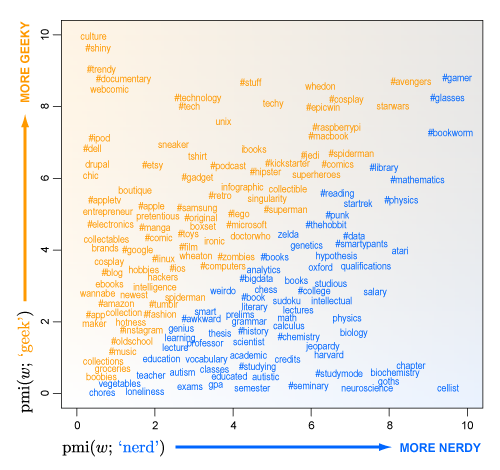
Settles found a few interesting differences between geeks and nerds. On the above chart, the right side is nerdier and the top is geekier. Words along the diagonal were more evenly split between the two.
The word geek tended to show up with pop culture pastimes like toys and manga (Japanese comics), and Settles notes that the hashtag #shiny (a Firefly reference) is “super-geeky.” Meanwhile, the word nerd appeared alongside hobbies like chess and academic fields like physics and biology.
Interestingly, Settles found that many terms relating to computers and the internet were fairly equal between geeks and nerds.
Support our mission to keep content open and free by engaging with theCUBE community. Join theCUBE’s Alumni Trust Network, where technology leaders connect, share intelligence and create opportunities.
Founded by tech visionaries John Furrier and Dave Vellante, SiliconANGLE Media has built a dynamic ecosystem of industry-leading digital media brands that reach 15+ million elite tech professionals. Our new proprietary theCUBE AI Video Cloud is breaking ground in audience interaction, leveraging theCUBEai.com neural network to help technology companies make data-driven decisions and stay at the forefront of industry conversations.





