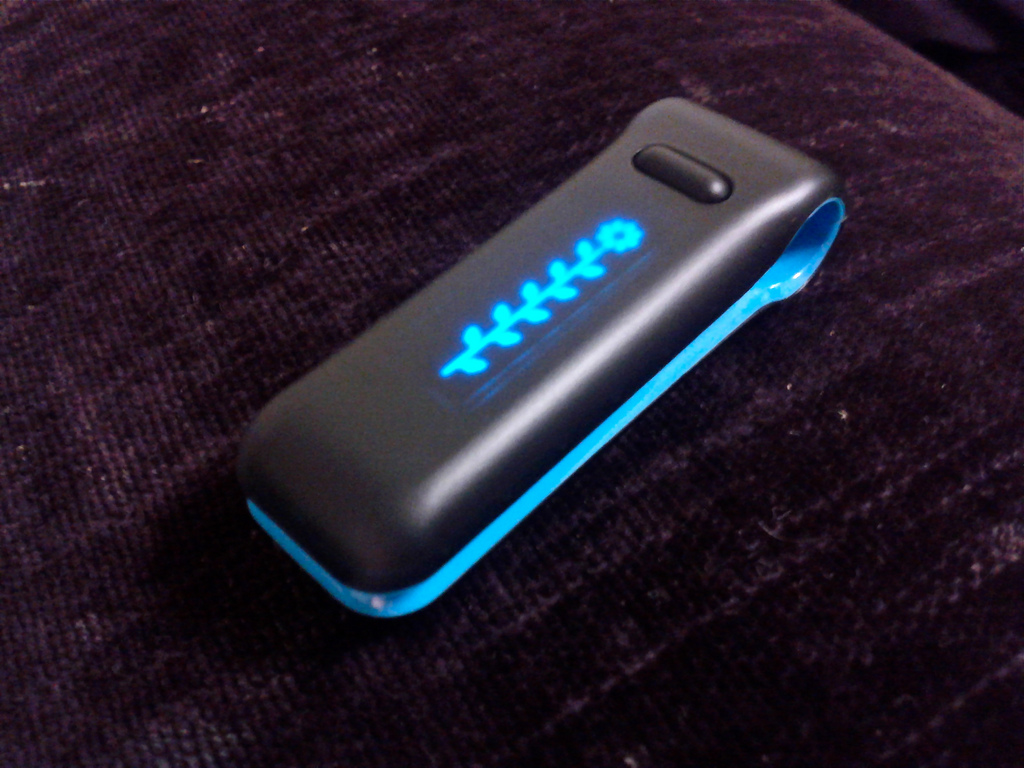







Fitness tracking maker Fitbit, Inc. went public Thursday to a positive response from Wall Street, closing its first day of trading up 48.4 percent at $29.68 from its original initial public offering price of $20 per share.
According to reports, shares peaked early for Fitbit up 52 percent at $30.40 before settling down at the slightly lower closing price.
The float raised $732 million for Fitbit itself and its selling stockholders, with the IPO valuing the company at $4.1 billion. At the close of trade Thursday Fitbit now has a market cap of $6.08 billion.
“Fitbit’s IPO demonstrates the powerful role technology will continue to play in the health and fitness movement,” Garvis Toler, the New York Stock Exchange’s Global head of Capital Markets, said in a statement sent to SiliconANGLE.
“With the power of capital markets fueling their innovation, Fitbit will be even better positioned to help people lead more active lives through wearable technology, data and inspiration.”
Founded in 2007, as we’ve covered previously Fitbit has become a leading player in the connected fitness tracking market.
For essentially an independent player in a sea of big brands, it can boast of some strong numbers with something you don’t see often with tech IPOs: actual profits, with Fitbit reporting $132 million in net income on $745 million in revenue for 2014.
Those profits were well earned, with Fitbit selling 10.9 million devices last year, up from 4.5 million in 2013 and 1.3 million in 2012.
Additionally some 6.7 million of those users were handing over additional money to the company to utilize Fitbit’s subscriber based “paid active services.”
A close of being up only nearly 50 percent in first day trading could best be described as moderated insanity in the middle of the second great tech bubble.
The moderation though probably comes for two reasons: the first being some Wall Street traders investing in tech-related stocks wouldn’t have known what to make out of the fact that Fitbit is actually profitable, when they usually favor companies not only lacking profit, but often with no serious prospects of ever becoming profitable.
The latter reason is still the uncertainty of Fitbit going forward given the rise of the Apple Watch, various Android devices, and even the likes of China’s uber-startup Xiaomi, Inc. getting in on the fitness band market.
The market is betting on Fitbit being able to stave off competitors and continue to grow, and in that regard most would happily wish them well in those endeavors; strong competition in any market vertical is always a positive for the consumer.
Support our mission to keep content open and free by engaging with theCUBE community. Join theCUBE’s Alumni Trust Network, where technology leaders connect, share intelligence and create opportunities.
Founded by tech visionaries John Furrier and Dave Vellante, SiliconANGLE Media has built a dynamic ecosystem of industry-leading digital media brands that reach 15+ million elite tech professionals. Our new proprietary theCUBE AI Video Cloud is breaking ground in audience interaction, leveraging theCUBEai.com neural network to help technology companies make data-driven decisions and stay at the forefront of industry conversations.





