 WIKIBON
WIKIBON
WIKIBON






WIKIBON

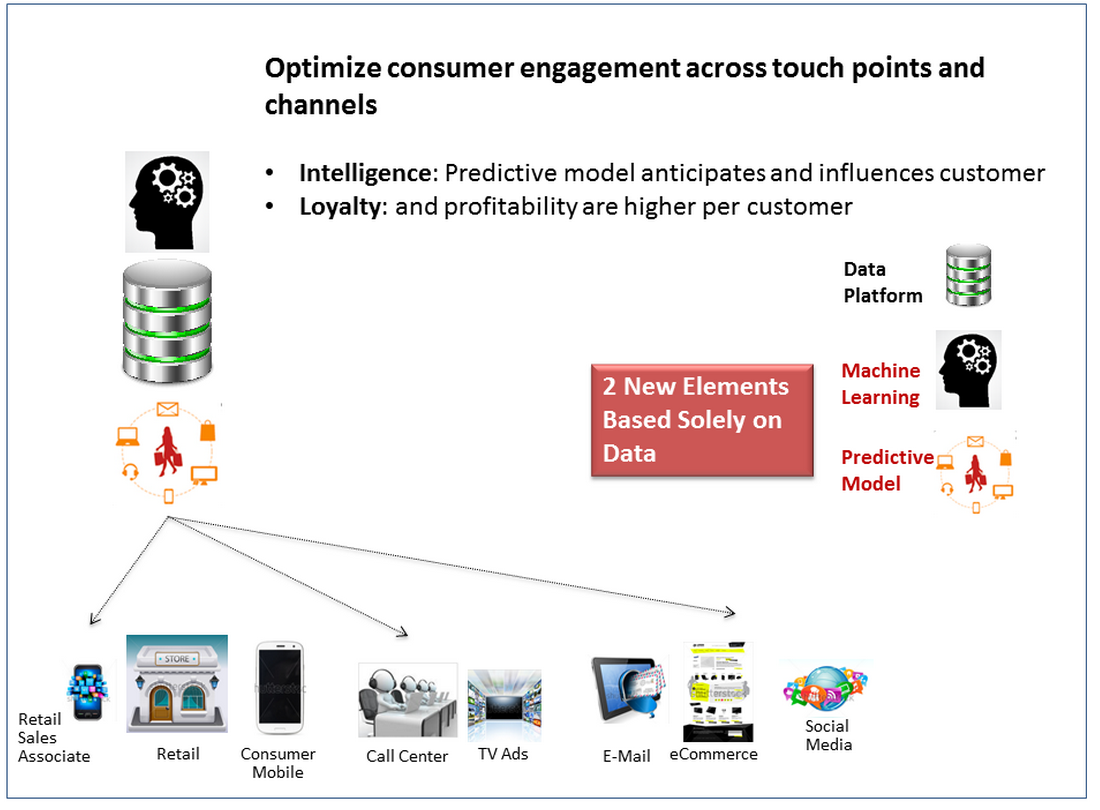
A new kind of data processing called Systems of Intelligence will take over from traditional systems of record as the main focus of new application development in enterprises for at least the next decade, writes Wikibon Analyst George Gilbert. These new applications and the data they need are markedly different from traditional business intelligence applications, which basically tell a few senior people in the organization what happened last month or last quarter. In contrast, Systems of Intelligence are intended to be used by individuals throughout the organization to tell them what is happening this minute or, in some cases, what is likely to happen.
Whereas legacy Systems of Record are focused on stability, and analyze the same data from the same sources continually, these new Systems of Intelligence are dynamic, using data of multiple types from multiple sources, both inside and outside the enterprise. They apply machine learning, which means they will become more capable and accurate as time goes on, and new data sources are continually added. As a result, development needs to continue over the life of the application.
This does not mean that Systems of Record and the RDBMS databases they run on will be replaced. RDBMS-based transactional systems will continue to be used for things like financial accounting and reporting. But these older, stable systems will not merit nearly as large amounts of attention from developers in the future as they have in the past.
Systems of Intelligence are different from Systems of Record in multiple significant ways, Gilbert writes:
In Gilbert’s model, today’s early Systems of Intelligence are divided into four groups, each of which has its own advantages and drawbacks. Systems that work with Big Data produce analytics informed by historical context. Those that use real-time data can show what is happening at the moment but may lack historical context. Adding machine learning allows the systems to update models of consumer behavior continually but still lack the historical context for trend analysis.
The goal of Systems of Intelligence, Gilbert writes, is to combine historical context with real-time data to constantly learn and predict/influence customer decisions. That’s a sea change in how data processing has traditionally worked.
Gilbert’s full report provides detailed discussions of the issues surrounding Systems of Intelligence, including data preparation, the analytic data pipeline, the components of the data platform and the different data platforms themselves.
Support our mission to keep content open and free by engaging with theCUBE community. Join theCUBE’s Alumni Trust Network, where technology leaders connect, share intelligence and create opportunities.
Founded by tech visionaries John Furrier and Dave Vellante, SiliconANGLE Media has built a dynamic ecosystem of industry-leading digital media brands that reach 15+ million elite tech professionals. Our new proprietary theCUBE AI Video Cloud is breaking ground in audience interaction, leveraging theCUBEai.com neural network to help technology companies make data-driven decisions and stay at the forefront of industry conversations.





