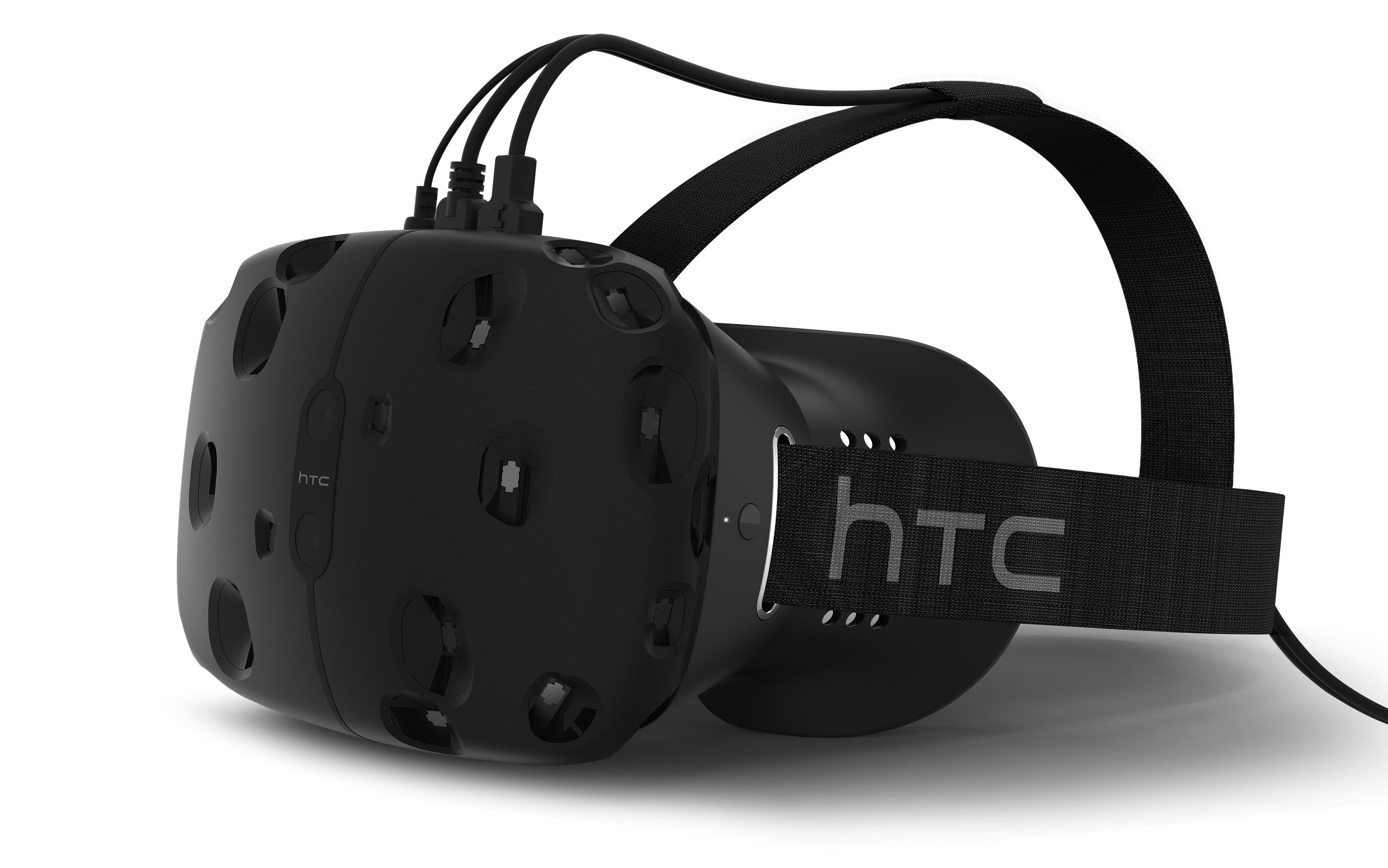







Next year, a flood of virtual reality (VR) headsets will be hitting the consumer market leading the way for an entire market of VR-based entertainment. VR currently promises to be a new way interacting with computers, an immersive science fiction iteration on film and gaming. However, according to Oculus Inc. co-founder Palmer Luckey, VR on PCs—one of the more likely big audiences for the product—has one major obstacle to overcome before it goes mainstream: the cables.
Luckey went to Twitter to raise his opinion:
Cables are going to be a major obstacle in the VR industry for a long time. Mobile VR will be successful long before PC VR goes wireless.
— Palmer Luckey (@PalmerLuckey) November 1, 2015
Currently all of the major VR devices—HTC Vive (HTC Corp.), Oculus Rift (Oculus Inc.) and PlayStation VR (Sony Corp.)—use cables to connect them to the platform (be it a PC or a video game console). The result can be cumbersome and prevents the user from easily moving about—being tethered to a cable can be somewhat restrictive. Numerous journalists reviewing these products often bring this up as a potential problem.
The obvious argument for what will make VR marketable to the potential audience is going to be one of comfort. A user putting something on their head (something potentially heavy or cumbersome designed to cover the eyes and ears) that will be worn for hours at a time will mean making sure the user doesn’t want to throw it across the room minutes later.
“[I]n a demo of the Vive, I had to wear a harness to keep its cable away,” wrote Kyle Russell at TechCrunch. “I don’t think this is a huge hurdle for either device, but ‘fell down while in VR’ might become the new ‘threw a Wii-mote through the TV.’”
The mobile crop of VR devices, however, such as the Samsung Gear VR (Samsung Electronics Co. Ltd.), do not suffer from any similar problem—after all: they’re wireless.
Although most presentations of VR entertainment involve a sedentary experience, especially with devices such as the Rift, products such as the Vive and PlayStation VR product teams have been pushing for mechanisms that allow the wearer to get up and walk around the room. Drawing on the extreme power of a PC to drive a VR experience means greatly increased fidelity.
Immersing a player in a whole different world—such as presented in the City of Paradigm story about virtual reality—is much easier for a PC than with the tiny processor in a mobile device. Wireless bandwidth is also slower and less reliable than being directly connected (as anyone who has set up a wireless network may attest). For most purposes this is not a problem; but for an extremely intense simulation such as a VR world, this could be a hurdle.
Another final issue for wireless VR devices is going to be battery life. Being plugged into a PC via a cable means no need to worry about power consumption. Already rechargeable batteries in video game controllers can go kaput after marathon sessions of gaming—the batteries needed to power a VR experience may be measured in hours rather than tens of hours (that Shadows of Mordor VR orc slaying session might get suddenly cut short by a flashing battery icon).
The worst case is that batteries are heavy. To include them in a headset would mean sacrificing further comfort for the wearer. The obvious solution is to put a battery pack into something that can be worn on the belt, which adds a cable back, but at least it’s a cable that can run along the wearer’s body that can’t get caught up in its arms or legs.
Support our mission to keep content open and free by engaging with theCUBE community. Join theCUBE’s Alumni Trust Network, where technology leaders connect, share intelligence and create opportunities.
Founded by tech visionaries John Furrier and Dave Vellante, SiliconANGLE Media has built a dynamic ecosystem of industry-leading digital media brands that reach 15+ million elite tech professionals. Our new proprietary theCUBE AI Video Cloud is breaking ground in audience interaction, leveraging theCUBEai.com neural network to help technology companies make data-driven decisions and stay at the forefront of industry conversations.





