 WIKIBON
WIKIBON
WIKIBON






WIKIBON

Microsoft has come a long ways under CEO Satya Nadella, writes Wikibon Lead Cloud Analyst Brian Gracely. Five years ago then-CEO Steve Ballmer called Linux a “cancer”. Today, between 25 percent and 33 percent of instances on Microsoft Azure are running some version of Linux. But one flavor has been conspicuously missing – Red Hat Enterprise Linux (RHEL). Until now, at least.
Microsoft and Red Hat Inc., are filling that hole under a just-announced partnership. A joint engineering team based in Redmond will support customers who want to use RHEL and Red Hat CloudForms cloud management with Microsoft Azure and Microsoft System Center. The companies will also expand support for .NET application development on RHEL and Red Hat OpenShift.
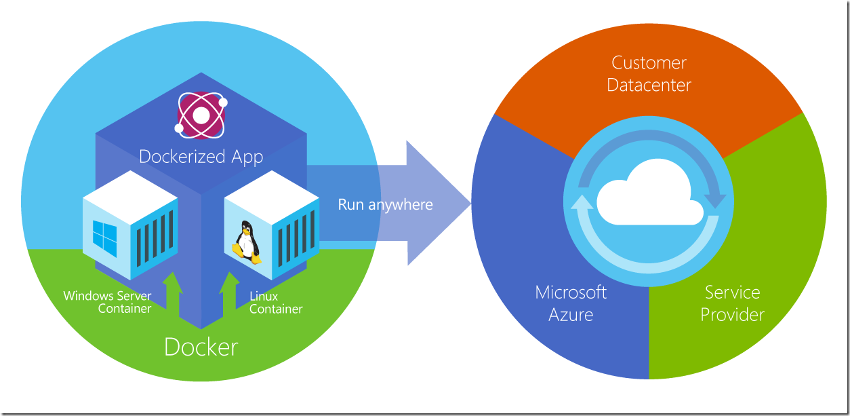
This partnership is another important step in Microsoft’s new openness to non-Microsoft technologies and will help Azure appeal to a broader set of customers, Gracely writes. Other signs of Microsoft openness are Microsoft Office on iOS and Android and the company’s partnership with Docker Inc. to bring containers to Windows. The Red Hat partnership also signals that Microsoft is putting the lifetime value of cloud customers above software product dogma.
The partnership gives Red Hat a strong partner with enterprise and Web-scale presence to help build its own hybrid cloud strategy. Adding support for .NET on OpenShift will give it critical traction with enterprise customers, where Java and .NET are still the dominant application development languages, Gracely says.
For customers this partnership provides new opportunities to leverage existing investments in Microsoft software. Creating a seamless integration between Active Directory and RHEL will extend the value of existing assets and create a leverage point for customers to increase productivity.
Support our mission to keep content open and free by engaging with theCUBE community. Join theCUBE’s Alumni Trust Network, where technology leaders connect, share intelligence and create opportunities.
Founded by tech visionaries John Furrier and Dave Vellante, SiliconANGLE Media has built a dynamic ecosystem of industry-leading digital media brands that reach 15+ million elite tech professionals. Our new proprietary theCUBE AI Video Cloud is breaking ground in audience interaction, leveraging theCUBEai.com neural network to help technology companies make data-driven decisions and stay at the forefront of industry conversations.





