






With the adoption of cloud services continuing to grow apace, how will the enterprise software space change in 2016?
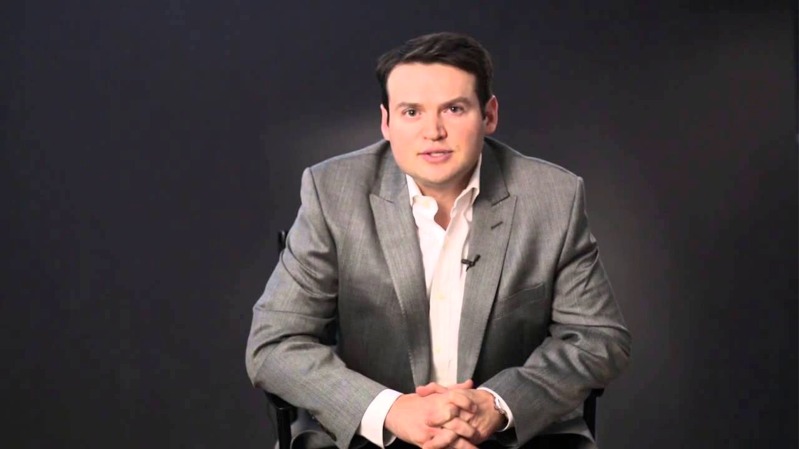
Coupa Software, Inc. Chief Executive Officer Rob Bernshteyn believes that “with the cloud and Software-as-a-Service, we have a new chance to get enterprise software right. We saw signs of progress in 2015; in 2016 we’ll really see that promise come to fruition.”
As part of our 2016 predictions series, Bernshteyn shares his thoughts as follow.
Virtually all enterprise software is now either cloud-based or has the option to be hosted in the cloud and delivered as a service.
In 2016, Bernshteyn believes that the focus will shift away from the delivery model to what is actually being delivered with the cloud economy redefining customer success and power is shifting from vendor to customer.
Multi-year contract lock-ins are out. Vendor accountability is in.
Interestingly he believes customers have a new bill of rights, including the ability to demand quantifiable business value from solution providers with vendors that are best able to articulate and quantify the value they’re delivering for their customers being in a much greater position to retain long-term customer relationships.
Software that can maximize human experience, insight, and creativity by harnessing data to automate routine tasks is the new frontier according to Bernshteyn.
“The Holy Grail is to have no user interface at all because the software can capture people in the context of what they’re doing and proactively present relevant, prescriptive insights and suggestions, along with the ability to take action such as selecting, approving or rejecting something,” he adds.
Despite Gartner calling 2016 as the year that heavily customized on-premise enterprise resource planning (ERP) implementations are relegated to legacy status, Bernshteyn believes that rather than rip and replace these systems, companies will take the path of least resistance by building out a cloud-based ecosystem around them in the areas such customer relationship management (CRM), Human Resources (HR), and spend management.
“Maybe by 2020 we’ll start to see total system replacements, but, for now, cloud applications can help companies wring more value out of these massive core technology investments, and this will be the standard setup for the foreseeable future,” he says.
“Companies that took to the cloud early and have achieved widespread user adoption and optimized transactional workflows now have accumulated large stores,” Bernshteyn says, before adding that these companies are “well positioned to leverage some of the latest innovations in Big Data technology to overlay their cloud investments to get additional insights that could uncover new areas to optimize for efficiency, or possibly even opportunities to create new revenue streams.”
Bernshteyn believes that these early adopters are already enjoying greater agility and better visibility into their business, and quite possibly improvements in revenue and cost containment relative to their peers who haven’t made the leap to the cloud.
Cloud adoption will continue to grow as the cloud becomes the de facto standard for postmodern ERP and early cloud adopters will continue to grow their cloud deployments.
“As cloud solutions mature and deliver results, we’ll start to see very large enterprises that never previously considered cloud as an option embrace this new paradigm,” says Bernshteyn. “Cloud deployments will grow not only in number but also in size and scale.”
The outlook for enterprise software is bright due to the cloud, but there are clouds of a different nature on the horizon according to Bernshteyn.
“Global terrorism is on the rise, as is global warming. We’ve seen seven years of economic expansion and loose monetary policy, but the recession of 2009 hasn’t entirely disappeared from the rear view mirror.”
“Some are predicting continued expansion; others dire collapse. What we are predicting is those companies that remain careful in their spending in 2016 will be in a better position to weather economic turmoil should it come our way.”
Support our mission to keep content open and free by engaging with theCUBE community. Join theCUBE’s Alumni Trust Network, where technology leaders connect, share intelligence and create opportunities.
Founded by tech visionaries John Furrier and Dave Vellante, SiliconANGLE Media has built a dynamic ecosystem of industry-leading digital media brands that reach 15+ million elite tech professionals. Our new proprietary theCUBE AI Video Cloud is breaking ground in audience interaction, leveraging theCUBEai.com neural network to help technology companies make data-driven decisions and stay at the forefront of industry conversations.





