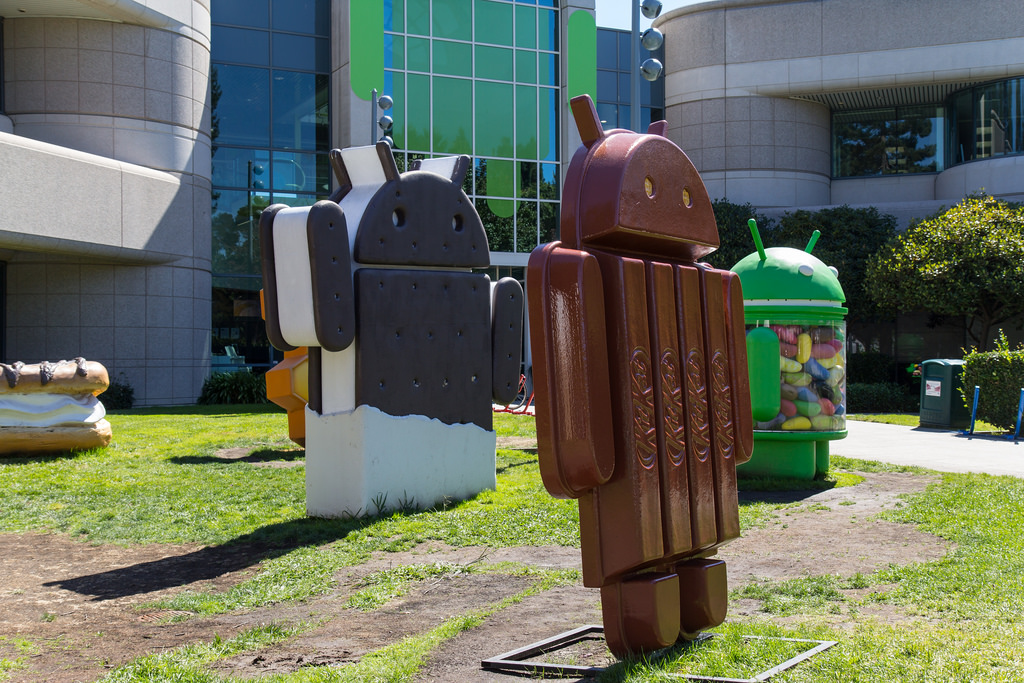







According to Google CEO Sundar Pichai, the company is considering conducting an online poll to determine what the next Android will be named. The statement was made during a student forum at the Shri Ram College of Commerce during the CEO’s two-day visit to India. Pichai hails from Chennai and added that Indians could sway the results by voting in high numbers, and this could also result in an Android version being named after a non-Western dessert for the first time.
If you haven’t been keeping with the Android nomenclature, all versions, except alpha and beta, have been named after desserts in alphabetical order: Cupcake, Donut, Éclair, Froyo, Gingerbread, Honeycomb, Ice Cream Sandwich, Jelly Bean, KitKat, Lollipop and Marshmallow.
Now we’re on letter N, and if there will really be a public poll and it is one of the options, I’m voting for Nerds. Why? Because I love the tangy-sweet combination of this candy, and second, to pay tribute to all the cool nerds at Google behind the Android platform. But that’s just me.
What other desserts or sweets could the next Android be named after if Nerd is not on the table?
Nǎiyóu sū bǐng — a buttery flaky pastry made into a thin circle (from Dajia, Taiwan).
Namkhaeng sai — a Thai version of shaved ice or snow cone.
Nanaimo bar — a Canadian dessert that consists of a wafer crumb-based layer topped by a layer of custard-flavored butter icing, which is covered with melted chocolate made from chocolate squares.
Napoleon — a French dessert, with no exact origin, made up of three layers of puff pastry (pâte feuilletée), alternating with two layers of pastry cream (crème pâtissière), but sometimes whipped cream or jam are substituted.
Narkel naru — an Indian dessert made from cooking together grated coconut, cardamom and jaggery, a traditional non-centrifugal cane sugar.
Nata de coco — a dessert from the Philippines that is made by fermenting coconut water to produce a chewy, translucent, jelly-like food that is sweetened and can be consumed on its own or used in other Filipino desserts.
Natillas — a Spanish custard dish made with milk and eggs, similar to other European creams such as crème anglaise.
Neenish tart — a tart with origins from Australia, made with a pastry base and a filling consisting of sweet gelatine-set cream, mock cream, icing sugar paste, or lemon and sweetened condensed milk mixture, with dried icing on the top of the tart in two colors.
Nicuatole — a gelatinous dessert made from ground maize and sugar, traditional in Oaxaca, Mexico.
Noghl (or Nuql) — a sugar-coated almonds with Iranian and Afghan origins.
Nonnevot — a Limburgian knotted-pastry dating back to the 17th century prepared through deep-frying a mixture of flour, yeast, milk, salt, butter, brown sugar and lard.
Nonpareils — a decorative confectionery of tiny balls made with sugar and starch, traditionally an opaque white, but now available in many colors originating from North America.
Norman tart — a shortcrust pastry-based (pâte brisée) variant of the apple tart made in Normandy filled with apples, sliced almonds and sugar topped with creamy egg custard tart and baked until the topping is slightly caramelized.
Nougat — a family of confections made with sugar or honey, roasted nuts, whipped egg whites, and sometimes chopped candied fruit, which is believed to have originated in Southern Europe.
Nun’s puffs — a light and airy dessert pastry from France.
Nunt — a pastry originating from Jewish cuisine and vaguely resembling nougat.
Nut roll — a pastry consisting of a sweet yeast dough (usually using milk) that is rolled out very thin, spread with a nut paste made from ground nuts and a sweetener like honey, and then rolled up into a log shape. Found in the U.S. and Slavic European nations.
So which dessert will make it to Android’s sweet nomenclature? It’s hard to tell right now, but the list sure made me hungry for some sweets!
Support our mission to keep content open and free by engaging with theCUBE community. Join theCUBE’s Alumni Trust Network, where technology leaders connect, share intelligence and create opportunities.
Founded by tech visionaries John Furrier and Dave Vellante, SiliconANGLE Media has built a dynamic ecosystem of industry-leading digital media brands that reach 15+ million elite tech professionals. Our new proprietary theCUBE AI Video Cloud is breaking ground in audience interaction, leveraging theCUBEai.com neural network to help technology companies make data-driven decisions and stay at the forefront of industry conversations.





