






In a case of better later than never, Google, Inc. has decided to get serious on virtual reality (VR) with the creation of a unit dedicated to the burgeoning space.
According to Re/Code, Google has appointed Clay Bavor, previously the Vice President of Product Management, a division covering services such Google’s Gmail and Google Drive, as head of the new VR division, with Enterprise chief Diane Greene absorbing his previous responsibilities.
A Google spokesperson is said to have confirmed the changes but declined to comment further.
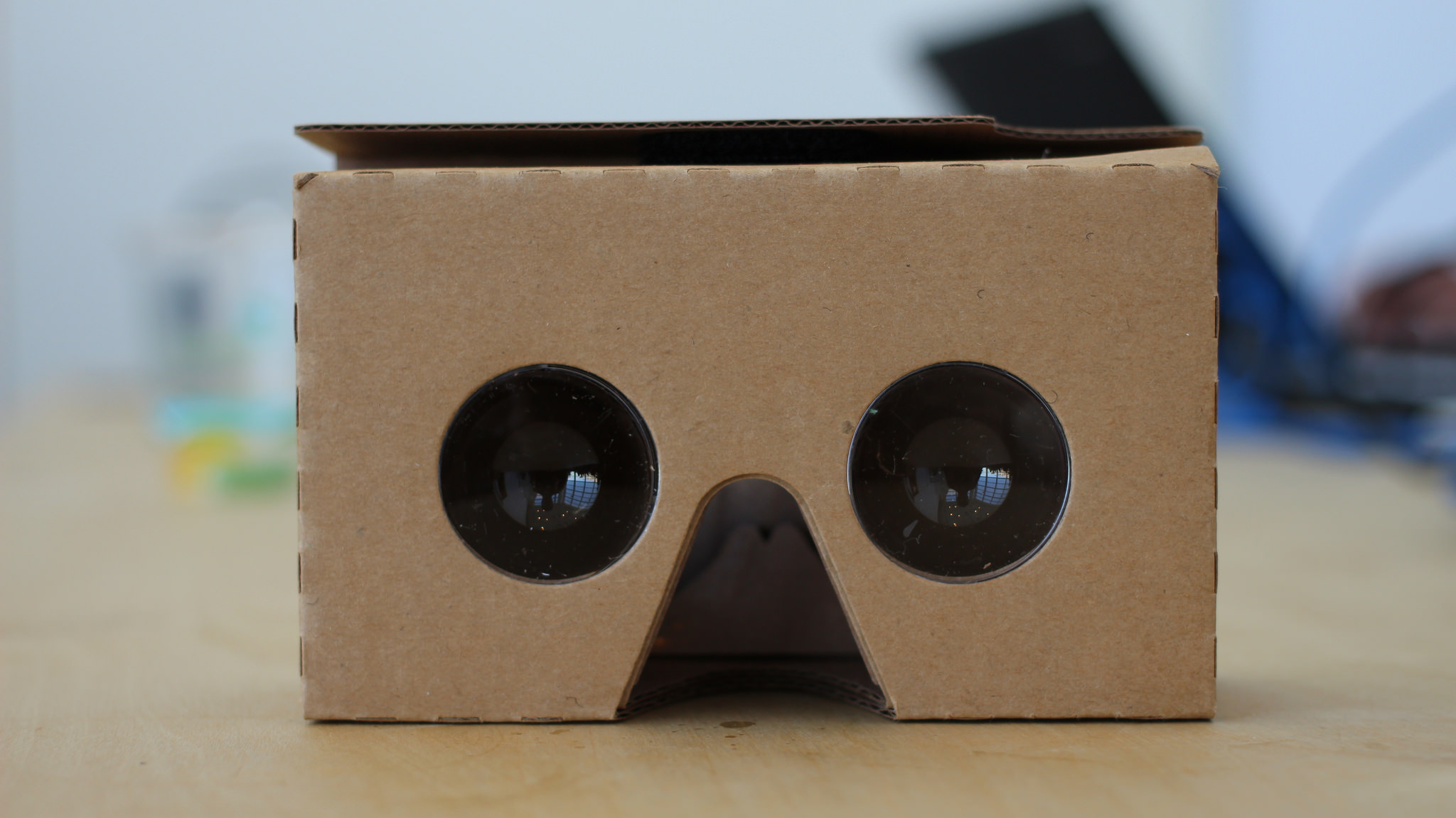
Of note Bavor oversaw Google’s only previous foray into the VR space with the Google Cardboard initiative, an attempt to bring VR to the masses with a (as the name suggests) cardboard headset attached to smartphones that delivered a VR experience, be it a fairly basic one but one with some success, including partnerships with GoPro and the latest Star Wars movie which saw the distribution of over one million Cardboard viewers.
Google has previously shown some interest in companies developing VR headsets including an investment in augmented reality startup Magic Leap, Inc.
The move by Google to get serious on virtual reality comes at a time when the space is finally maturing, including the announcement by the Facebook, Inc. owned Oculus Rift that it was finally coming to market by opening early pre-ordering at a somewhat high price of $599 per unit.
Google’s cardboard effort so far, while a cool application of something so basic to create something so clever, has really been nothing more than a bit of a side project for Google, a novelty which while having some uses, ignores where the space is actually moving.
It should also be remembered that Microsoft Corp. also has a play in this space through its forthcoming augmented reality headset the Hololens also on its way with the launch of its first developer kit coming this quarter; while you could argue whether Microsoft is a rival to Google or not, when you look at a list of Google’s biggest competitors Facebook and Microsoft sit at the top of the list, so if Google wants to remain competitive and not give its rivals an advantage in what is tipped to be the next big thing, it needs to be doing something in the space other than a cardboard headset.
There’s no word on exactly what Google’s new VR division will be actually doing, in particular whether it will be developing apps for VR headsets or perhaps even building its own headset, but whatever it is no doubt we’ll eventually find out later in the year.
Support our mission to keep content open and free by engaging with theCUBE community. Join theCUBE’s Alumni Trust Network, where technology leaders connect, share intelligence and create opportunities.
Founded by tech visionaries John Furrier and Dave Vellante, SiliconANGLE Media has built a dynamic ecosystem of industry-leading digital media brands that reach 15+ million elite tech professionals. Our new proprietary theCUBE AI Video Cloud is breaking ground in audience interaction, leveraging theCUBEai.com neural network to help technology companies make data-driven decisions and stay at the forefront of industry conversations.





