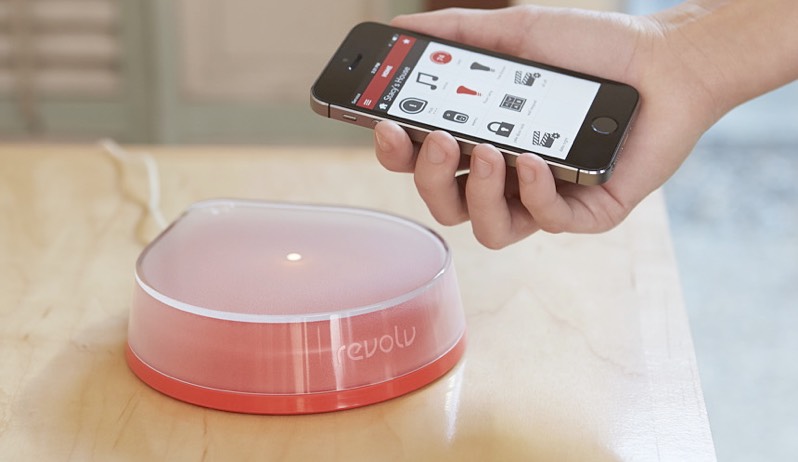







Last week brought out the grim underbelly of corporate acquisitions, when Alphabet, Inc. shut down support for Revolv’s smart home hub, an early Internet of Things (IoT) buy. What ultimately happens to Revolv will set a precedent for the IoT industry as device hardware becomes less relevant to a product’s services and end user experience. So what happens next for Revolv owners?
Every week we round up the latest developments in the Smart World, from new developer platforms to smart city initiatives across the globe. Here’s what you missed in the Smart World:
Revolv hub users may soon find themselves left with a useless device as Alphabet, Inc. will be shutting down the Revolv hub and app on May 15, 2016. The move to end Revolv comes from the company’s decision to focus all its home automation effort on Nest products and services, as well as the Works with Nest program.
For what it’s worth, Alphabet announced later in the week that will be working with the Revolv community to find a better work around other than just simply bricking the device, and one of the solutions is to refund $300 to all Revolv owners, replacing the initial cost of the smart home hub.
Read more about the demise of Revolv here as well as Alphabet’s attempt to appease users here.
Mighty Cast, Inc. introduced a new smartband called Nex that serves as more than just a fitness tracker, but also aims to control connected devices around the user. It features five programmable modules which can be reprogrammed using the Nex app.
The app allows users to define what each module does, including serving as a visual feedback in reaching fitness goals, receiving notifications, controlling music, or even act as a storage device for data that can be shared with other Nex users.
Read more about Nex and how to get it here.
The Linux Foundation is working on a new project called The Civil Infrastructure Platform, which aims to deliver tools to be used by governments to provide essential services needed for civil infrastructure and economic development.
The decision to create an open-source platform for civil infrastructure stems from the need to be able to create solutions faster and avoid duplicate efforts. The Linux Foundation hopes that this open-source civil infrastructure will eliminate interoperability issues and more countries can enjoy the benefit of a unified ecosystem.
Read more about the open-source civil infrastructure here.
Intel has acquired Yogitech S.p.A., an Italian startup that designs systems to ensure the safety of semiconductors used in the automotive industry for self-driving vehicles. Yogitech ensures that processors work properly to alert humans when something goes wrong, and the human can perform actions as needed.
Once Yogitech’s acquisition is completed it will be integrated into Intel’s IoT division, though the company has yet to announce what exactly it intends to do with Yogitech.
Read more about Intel’s acquisition of Yogitech here.
Practice makes perfect, and technology perfects the act of practicing. As the Masters golf tournament gets underway, we take a look back at the technological developments aiding the sport’s finest. Highlighting our best interviews from theCUBE, part of SiliconANGLE’s media team, we learn how technology is playing an important role in helping players improve their game, from leveraging EMC’s XtremIO to make real-time decisions to using wearable devices to analyze a golfer’s swing.
Read more about how the connected world is helping athletes perform better here.
Tune in next week for more interesting stories, discoveries and innovations in the world of smart and connected things.
Support our mission to keep content open and free by engaging with theCUBE community. Join theCUBE’s Alumni Trust Network, where technology leaders connect, share intelligence and create opportunities.
Founded by tech visionaries John Furrier and Dave Vellante, SiliconANGLE Media has built a dynamic ecosystem of industry-leading digital media brands that reach 15+ million elite tech professionals. Our new proprietary theCUBE AI Video Cloud is breaking ground in audience interaction, leveraging theCUBEai.com neural network to help technology companies make data-driven decisions and stay at the forefront of industry conversations.





