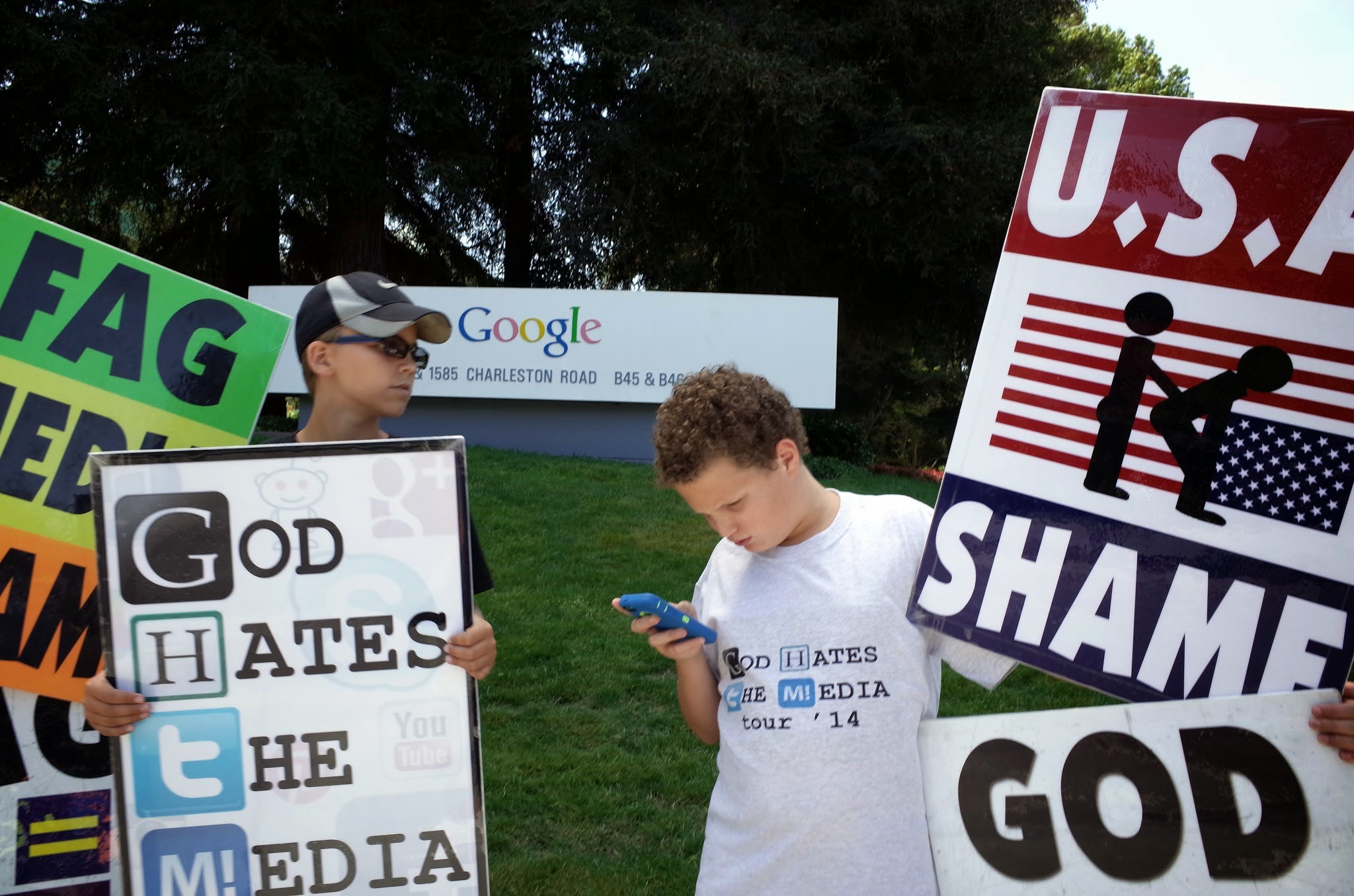







In a move to combat hate speech, counter terrorism, or tackle behavior that might lead to violence, Microsoft, Facebook, Google and Twitter have agreed to implement new European Commission “Codes of Conduct”. The tech companies will adhere to the code, but it is not legally binding.
A European Comission press release explained the initiative, in part saying that, “IT companies commit to continuing their efforts to tackle illegal hate speech online. This will include the continued development of internal procedures and staff training to guarantee that they review the majority of valid notifications for removal of illegal hate speech in less than 24 hours and remove or disable access to such content, if necessary.”
It goes on to say that any content said to be inciting violence will be flagged, while IT companies and the European Commission, should offer their own “counter-narratives” and encourage “critical thinking”. The move follows fears that there might be more terrorist attacks in Europe after Paris and Brussels, and is also one of the after-effects of a polarizing refugee crisis in Europe. Hate speech might, however, be connected with various issues. The European Commission offers a rough outline between what’s acceptable and what’s not:
Speech that: offends, shocks or disturbs the State or any sector of the population and content that contains genuine and serious incitement to violence and hatred.
This comes just a week after Microsoft announced that it is going to crack down on content shared by terrorists, or supporters of terrorists, using its consumer services. “The Internet has become the primary medium for sharing ideas and communicating with one another,” said Microsoft, “and the events of the past few months are a strong reminder that the internet can be used for the worst reasons imaginable.”
Not surprisingly, concerns have been raised over free speech. European Digital Rights (EDRi), announced that following the recent agreement by tech companies it has withdrawn from the European Commission IT Forum.
The group said, “This process, established outside an accountable democratic framework, exploits unclear liability rules for companies. It also creates serious risks for freedom of expression as legal but controversial content may well be deleted as a result of this voluntary and unaccountable take down mechanism.” They added that the implementation of such an agreement undermines the European Court of Human Rights on the defense of legal speech.
Twitter’s head of public policy for Europe, Karen White, said hateful conduct was not welcome on Twitter, adding that there is a, “clear distinction between freedom of expression and conduct that incites violence and hate.”
Support our mission to keep content open and free by engaging with theCUBE community. Join theCUBE’s Alumni Trust Network, where technology leaders connect, share intelligence and create opportunities.
Founded by tech visionaries John Furrier and Dave Vellante, SiliconANGLE Media has built a dynamic ecosystem of industry-leading digital media brands that reach 15+ million elite tech professionals. Our new proprietary theCUBE AI Video Cloud is breaking ground in audience interaction, leveraging theCUBEai.com neural network to help technology companies make data-driven decisions and stay at the forefront of industry conversations.





