






Troubled mobile phone manufacturer HTC Corporation has made one of their best calls in years and has spun off their virtual reality (VR) division into a separate company.
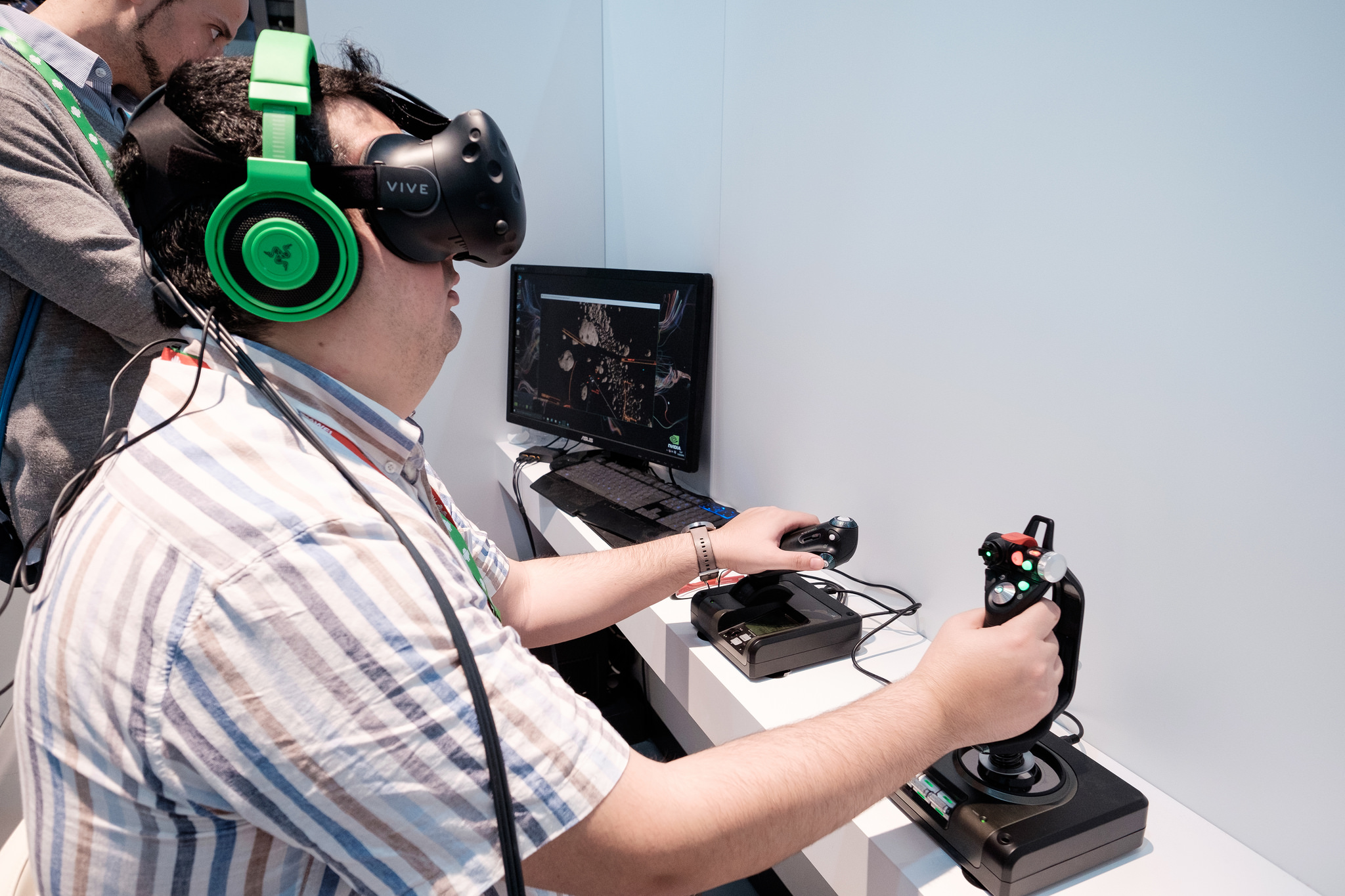
HTC Vive Tech Corporation, a fully owned division of HTC, will now be home to the HTC Vive VR headset, and according to a statement from the company reported by The Verge, will be used “as a vehicle for developing strategic alliances to help build the global VR ecosystem.”
The news comes at the same time HTC has announced a new $10 billion VR venture capital alliance which includes a consortium of 28 venture capital firms who want to invest in VR technology; the fund includes many well-known venture capital firms including Sequoia Capital, Matrix Partners, and Dave McClure’s 500 Startups.
According to the Virtual Reality Venture Capital Alliance (VRVCA) website, the group aims to foster long-term growth in the VR industry through identifying, sharing and investing in the world’s most innovative & impactful VR technology and content companies.
The consortium will meet six times a year and will maintain two working offices, one in San Francisco, but more notable a second office in Beijing; that’s notable due to China being predicted by many to become the largest market for virtual reality going forward, and could be worth as much as $8.5 billion a year by 2020.
It could be said that HTC is now betting the farm on virtual reality, but the move to spin off its VR division is good step given the ongoing problems the company as a whole has with is mobile business; HTC was once a leader in smartphones but has long lost its appeal in the market, to the point where it is bleeding money.
Creating a separate division for VR, be it a wholly owned subsidiary, firewalls to an extent the VR business when the mobile phone business inevitably collapses; even in the event of HTC going bankrupt (a distinct possibility in the short to medium term) the VR business could potentially continue to trade, or become an attractive acquisition target.
The venture capital consortium is also a vote of confidence in the quality of the HTC Vive VR headset; despite receiving initially poor reviews based on developer releases, the headset today is praised by many and may well become the Xbox to Oculus Rift’s PlayStation as the VR market continues to grow.
Support our mission to keep content open and free by engaging with theCUBE community. Join theCUBE’s Alumni Trust Network, where technology leaders connect, share intelligence and create opportunities.
Founded by tech visionaries John Furrier and Dave Vellante, SiliconANGLE Media has built a dynamic ecosystem of industry-leading digital media brands that reach 15+ million elite tech professionals. Our new proprietary theCUBE AI Video Cloud is breaking ground in audience interaction, leveraging theCUBEai.com neural network to help technology companies make data-driven decisions and stay at the forefront of industry conversations.





