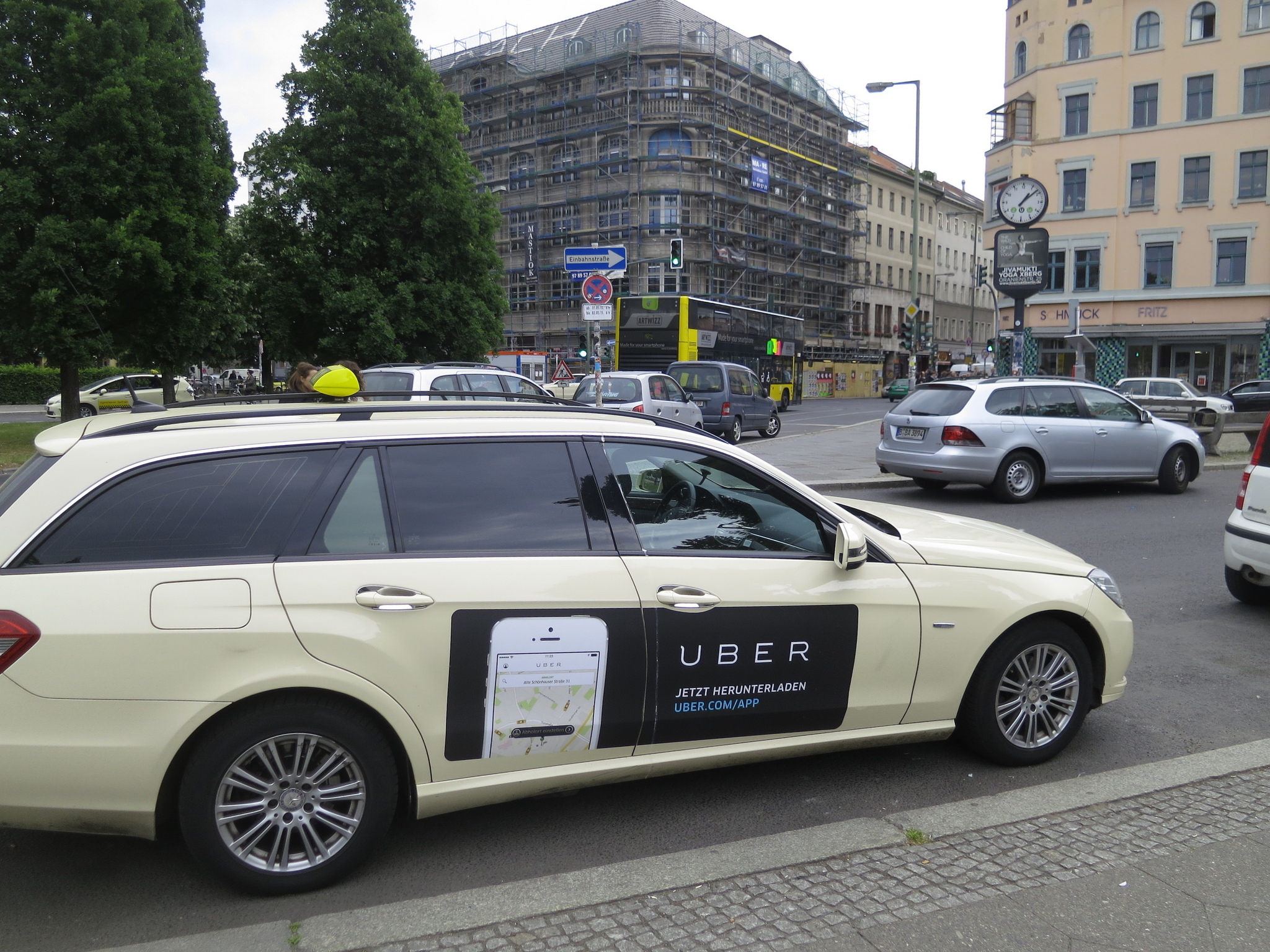







Ridesharing unicorn Uber, Inc. wants to be free of having to rely on Google Maps to aid drivers in navigating routes, investing $500 million into building its own mapping product, according to a report Sunday.
The Financial Times claims that Uber has mapping vehicles driving across the United States and Mexico, recording data for their new mapping platform and that the company will soon roll out the “driving mapping vehicles” to other countries “soon.”
While freeing itself from the teat of Google bosom may be one factor, Uber’s surprisingly argued that Google Maps doesn’t necessarily meet all of its requirements, writing:
Existing maps are a good starting point, but some information isn’t that relevant to Uber, like ocean topography. There are other things we need to know a lot more about, like traffic patterns and precise pickup and dropoff locations. Moreover, we need to be able to provide a seamless experience in parts of the world where there aren’t detailed maps — or street signs.
Pick up and drop off points seem to be a major concern, with McClendon then going to add that “the street imagery captured by our mapping cars will help us improve core elements of the Uber experience, like ideal pick-up and drop-off points and the best routes for riders and drivers.”
When you’ve raised over $12 billion in venture capital $500 million may be a proverbial drop in the ocean, but putting that aside does Uber really need it’s own mapping product?
It has been said that Google has risen the cost of access to Google Maps for commercial use but as a percentage of the money Uber goes through the cost can’t possibly be that high that it justifies it building its own mapping platform.
$500 million is still $500 million and while Uber is in a race to dominate the world it’s difficult to see how going into granular level mapping is wise, let alone justified position.
The real reasoning behind the move, however, may come from
Support our mission to keep content open and free by engaging with theCUBE community. Join theCUBE’s Alumni Trust Network, where technology leaders connect, share intelligence and create opportunities.
Founded by tech visionaries John Furrier and Dave Vellante, SiliconANGLE Media has built a dynamic ecosystem of industry-leading digital media brands that reach 15+ million elite tech professionals. Our new proprietary theCUBE AI Video Cloud is breaking ground in audience interaction, leveraging theCUBEai.com neural network to help technology companies make data-driven decisions and stay at the forefront of industry conversations.





