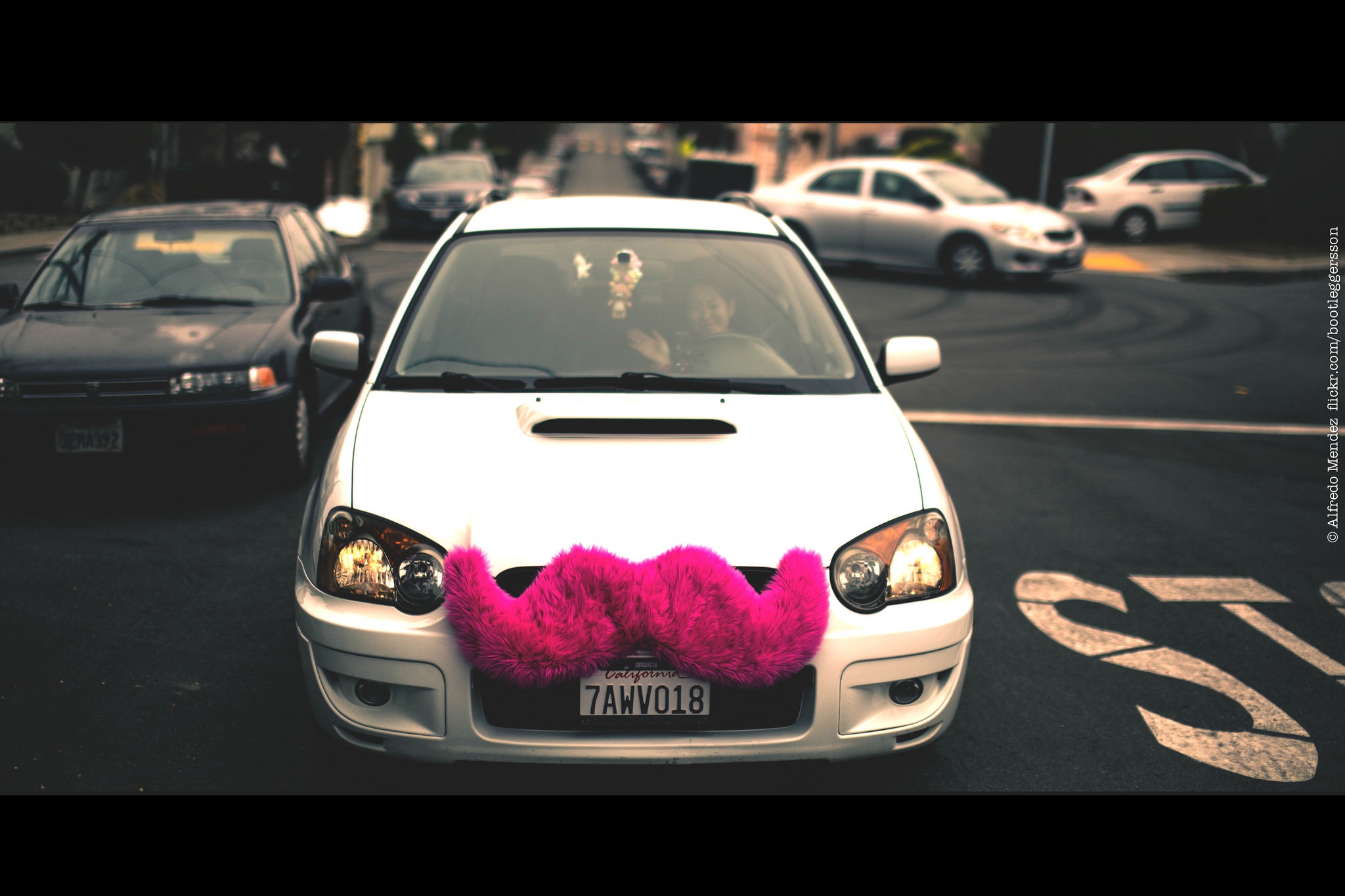







“We’ve built our communities entirely around cars,” says Lyft Inc. President John Zimmer in a detailed article just released for Medium. He points to the fact that the average car spends 96 percent of its life parked, relating to reports that state our parked cars are deforming our cities and while looking for a place to rest are a burden on the environment.
Zimmer believes this is soon to change, at least within the next decade, as we are thrust into what he called a “transportation revolution.” He forecasts that private ownership of vehicles in the near future – he gives 2025 as a time-frame – will be a rare thing, and that the sharing of autonomous cars will become the norm.
Unlike Tesla Motors Inc. CEO, Elon Musk, who believes private owners of autonomous vehicles will rent their cars to others when they are not using it, Zimmer believes, “The transition to an autonomous future will not occur primarily through individually owned cars. It will be both more practical and appealing to access autonomous vehicles when they are part of Lyft’s networked fleet.”
He states that people will choose to use rented autonomous cars mainly due the cost of running a car in the US, about $9,000 a year. “Every year,” he says, “More and more people are concluding that it is simpler and more affordable to live without a car.” He sees this as a win-win for people and the environment, an environment freed from vehicle congestion in which our roads and cities can be revitalized.
He compares the move in this direction with how Netflix made it possible for people not to own the DVD, or how Spotify helped turn people away from CDs or MP3s. Ownership will become a thing of the past, and we’ll be doing everyone a favor by taking this new route founded by the emergence of new technologies.
Zimmer doesn’t say much about the sentimental value Americans have of their cars, but seems to think that once we have cars we can hail and take us to places while we are sleeping, working or keeping ourselves entertained, the sentimental value may wane just as it has for the once-cherished vinyl record. This will start with a hybrid network of cars (human drivers in driverless cars), says Zimmer, until the technology improves.
Zimmer’s views come hot on the back of Uber Technologies Inc.’s self-driving car trial in Pittsburgh, while Ford Motor Co. recently said it will be mass producing vehicles with full autonomy for ride-sharing by 2021.
Support our mission to keep content open and free by engaging with theCUBE community. Join theCUBE’s Alumni Trust Network, where technology leaders connect, share intelligence and create opportunities.
Founded by tech visionaries John Furrier and Dave Vellante, SiliconANGLE Media has built a dynamic ecosystem of industry-leading digital media brands that reach 15+ million elite tech professionals. Our new proprietary theCUBE AI Video Cloud is breaking ground in audience interaction, leveraging theCUBEai.com neural network to help technology companies make data-driven decisions and stay at the forefront of industry conversations.





