






Customization is a funny thing in that it’s never really finished — not for a living enterprise with an evolving set of problems to solve. A one-of-a-kind Big Data program for a specific business’ concerns sounds neat, but the expiration date is a downer: the first day it can be faced with a question it’s not programmed to answer. So should companies start every analytics project from scratch, or is there a middle path?
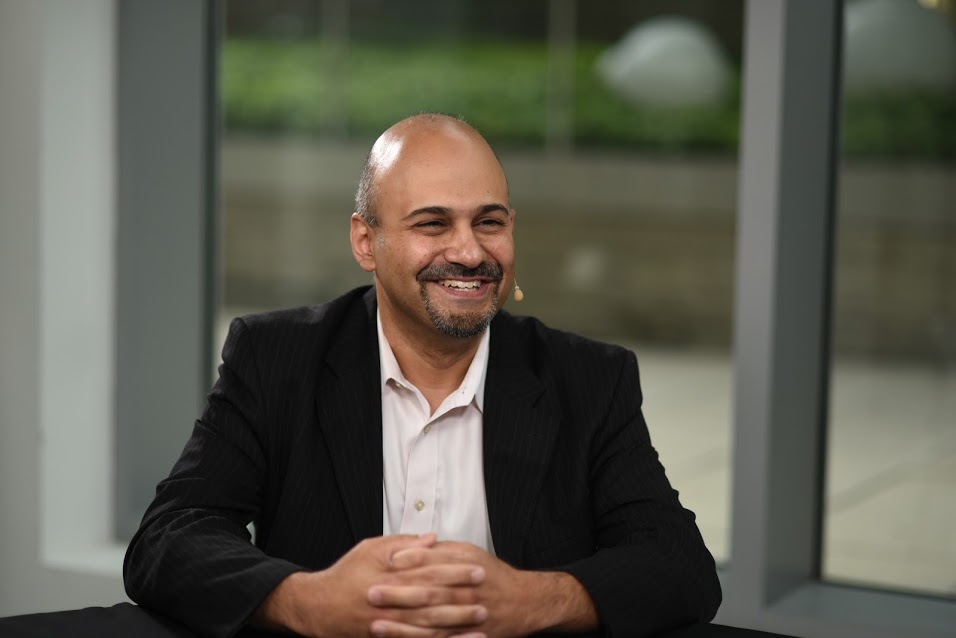
Nenshad Bardoliwalla, cofounder and chief product officer at Paxata Inc., said there have been two ways enterprises have approached data analytics. The first is “we’re going to know all the possible questions that people are going to want to ask in advance. We’re going to pre-program the ETL routines, we’re going to put in something like a micro strategy or business object, an enterprise reporting factory tool,” he said.
Bardoliwalla explained to George Gilbert (@ggilbert41) and Dave Vellante (@dvellante), cohosts of theCUBE, from the SiliconANGLE Media team, during the BigDataNYC event the inevitable outcome of this: The users decide they want to ask a new question or attack a problem from a different angle.
“It takes them about five minutes to determine that they can’t do it for whatever reason. And what is the first feature that they look for in the product in order to move forward? Download to Excel,” he said. “So you’ve invested $15 million to build a ‘download to Excel’ capability, which they already had.”
The second approach, said Bardoliwalla, is known as “Excel hell,” where everyone in the organization is using and modifying data in Excel sheets, often with conflicting results.
He said Paxata’s point-and-click visual interface provides a middle path. First, customers whittle down the data quickly. “You look at an age column, let’s say, and there are values in the age column of 150 years,” he said. “Customers at the banks we work with are not 150 years old.”
With that done, users can then decide what questions to ask and record the results. They can also track the outcomes of any insights they operationalize, which enables transparency and consistency across the organization.
Watch the complete video interview below, and be sure to check out more of SiliconANGLE and theCUBE’s coverage of BigDataNYC 2016.
Support our mission to keep content open and free by engaging with theCUBE community. Join theCUBE’s Alumni Trust Network, where technology leaders connect, share intelligence and create opportunities.
Founded by tech visionaries John Furrier and Dave Vellante, SiliconANGLE Media has built a dynamic ecosystem of industry-leading digital media brands that reach 15+ million elite tech professionals. Our new proprietary theCUBE AI Video Cloud is breaking ground in audience interaction, leveraging theCUBEai.com neural network to help technology companies make data-driven decisions and stay at the forefront of industry conversations.





