







Edmond’s report that the Chevy Volt could cost more to drive using electricity than gasoline depending on the electric rate. Edmonds paid an average of $0.31 per Kilowatt*Hour (KWH) of electricity and $3.31 for 91 octane gasoline (though nearly all modern consumer cars run well on cheaper 87 octane).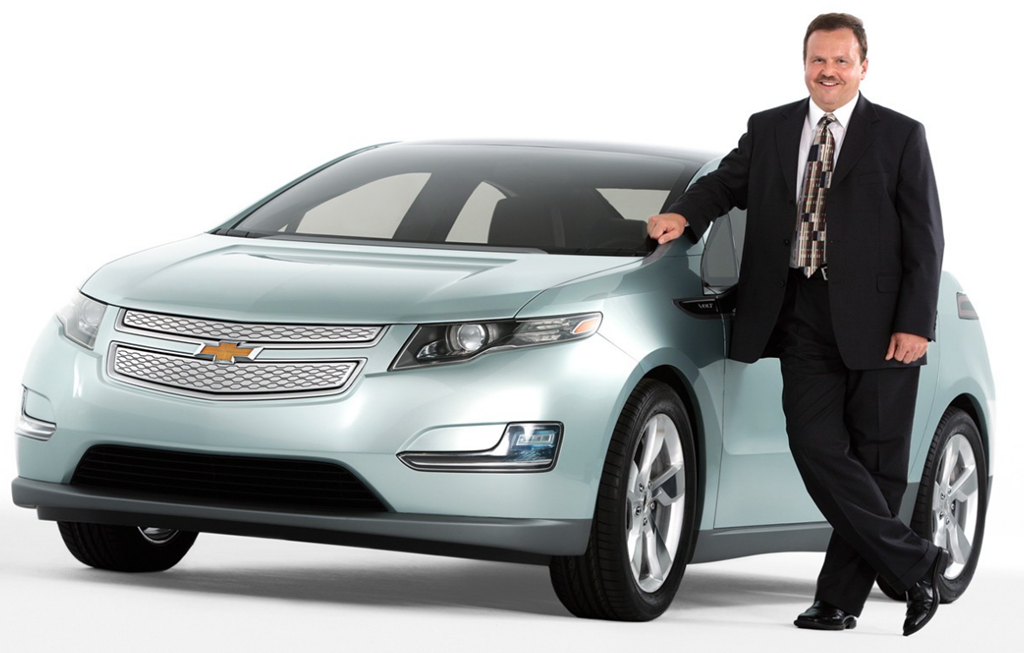 Edmonds computed that $0.24 per KWH of electricity would have been parity with 91 octane gasoline, but they paid substantially more for electric fuel. This even ignores the substantial upfront cost of the battery to the buyer and tax payers who have to subsidize these cars to the tune of $7500.
Some of the critical comments quickly pointed out that average California rates is $0.15 cents per KWH and that the Edmonds report is bogus. The problem is that “average” California rates is meaningless to a Volt owner because the actual rates vary and increase substantially across the allowable baseline. Monthly usage below 312 KWH in California costs around $0.114/KWH at $35.66. But typical consumers in California easily pay 5 to 10 times that baseline allowance per month and the overage rate goes up steeply. Anything over 133% of the 312 KWH baseline costs $0.213/KWH and anything over 201% is billed at a rate of $0.40/KWH so it’s easy to see how Edmonds wound up paying an average of $0.31/KWH. Consumers in other states might fare better, but they too have to worry about the actual rates applied to their car charging and not the irrelevant average metric.
Some people will point out that it isn’t about the savings but the fact that this takes us off oil. But that takes us off oil and right into coal since coal is the biggest source of electricity in the United States which produces really nasty byproducts like thorium and mercury in addition to the carbon.
My biggest gripe with hybrid electrics is the dubious usage of Miles Per Gallon (MPG) so that they can come up with outrageous claims of 300 MPG. Based on that criteria, it would be possible for an electric hybrid to achieve a 3000 MPG rating or even an infinite MPG rating if they don’t touch the gasoline and solely rely on batteries. But that doesn’t mean the car is more energy efficient and getting better miles per unit energy. It won’t surprise me to hear people tell me “oh but it’s green”. It reminds me of the time a lady asked me if energy efficient computers were “green” or not and it highlights the disconnect between energy efficiency and the slogan “green”.
The realistic way of getting better efficiency is to increase aerodynamics and reduce vehicle weight, but reducing weight would be difficult with the 400 pound battery in the Chevy Volt.
[Cross-posted at Digital Society]
Support our mission to keep content open and free by engaging with theCUBE community. Join theCUBE’s Alumni Trust Network, where technology leaders connect, share intelligence and create opportunities.
Founded by tech visionaries John Furrier and Dave Vellante, SiliconANGLE Media has built a dynamic ecosystem of industry-leading digital media brands that reach 15+ million elite tech professionals. Our new proprietary theCUBE AI Video Cloud is breaking ground in audience interaction, leveraging theCUBEai.com neural network to help technology companies make data-driven decisions and stay at the forefront of industry conversations.




