







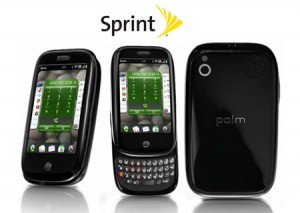
 Once released by Sprint with much fanfare, the Palm Pre heralded what Palm thought would be their best effort to unseat iPhone as preeminent smartphone—but now it has fallen so far behind that Sprint is axing the line and removing it from their stores. Speculation as to the reason why the device eventually failed surmise that it was due to the lack of developers jumping on board (and instead jumping ship for iPhone and Google Android.)
Matthew Lynley at VentureBeat paints a very similar portrait for the fall of Palm Pre,
Now things have come full circle, and Sprint — which at one point heralded the Palm Pre as its flagship device — has taken the phone out of its stores and signaled the end of its life.
Palm said it expected thousands of developers to quickly begin making applications for the platform. The unfortunate truth was that all those developers flocked first to the iPhone operating system, and then to Google’s Android operating system. To date, there are around 300,000 apps on the Apple App Store and around 100,000 on the Android marketplace.
Not only did developers not flock to the Palm Pre, but numerous high level designers for the OS also mutinied and went elsewhere—elsewhere being Google and Apple, Palm’s primary rivals in the market. This certainly didn’t portent a good show for the smartphone.
Although the Palm Pre phone didn’t make much of a splash on its own as a device, Hewlett-Packard did offer to buy Palm for $1.2 billion in April, 2010. The move, they said, wasn’t entirely about the devices—but the software the company had been producing. As Palm’s WebOS had some strong indications that it might be well-developed for low-power tablet computers and netbooks.
And so ends the saga of Palm Pre—with Sprint.
Although, the Pre may not yet be totally forgotten: as HP appears to be preparing the next iteration of Palm WebOS as well as new version of the Palm Pre. This new Palm Pre will be appearing in Verizon stores in the coming months. Although, it seems unlikely that the device will ever live up to its lofty birthright.
Support our mission to keep content open and free by engaging with theCUBE community. Join theCUBE’s Alumni Trust Network, where technology leaders connect, share intelligence and create opportunities.
Founded by tech visionaries John Furrier and Dave Vellante, SiliconANGLE Media has built a dynamic ecosystem of industry-leading digital media brands that reach 15+ million elite tech professionals. Our new proprietary theCUBE AI Video Cloud is breaking ground in audience interaction, leveraging theCUBEai.com neural network to help technology companies make data-driven decisions and stay at the forefront of industry conversations.




