 INFRA
INFRA
INFRA
INFRA






INFRA

The Food and Drug Administration has released a set of recommendations for how device manufacturers should protect the security of Internet-connected medical devices.
One year in the making, the 30-page document encourages manufacturers to monitor their devices and software for vulnerabilities and to patch any issues as they are discovered.
“The best way to combat these threats is for manufacturers to consider cyber security throughout the total product life cycle of a device,” the FDA’s Suzanne B. Schwartz said in a blog post. “In other words, manufacturers should build in cyber security controls when they design and develop the device to assure proper device performance in the face of cyber threats, and then they should continuously monitor and address cybersecurity concerns once the device is on the market and being used by patients.”
Specifically, the FDA recommends that manufacturers continually address the cybersecurity risks of marketed medical devices in a structured way, in particular:
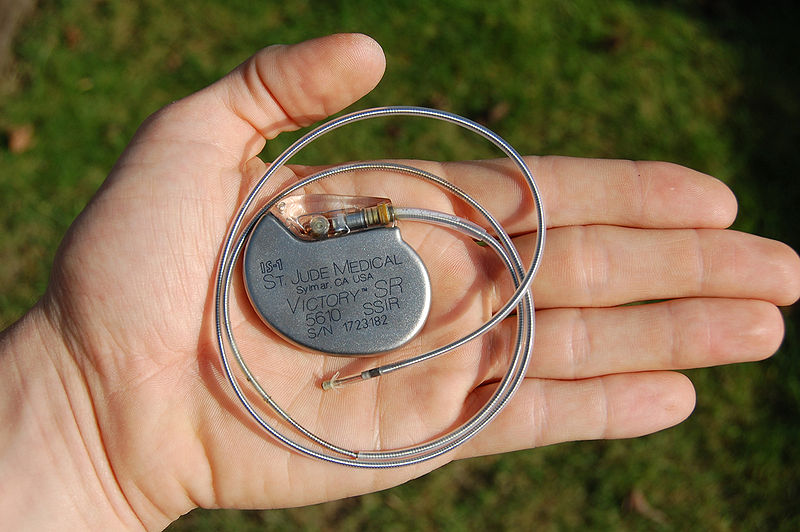
While it’s easy to make jokes about tricky tickers – that is, a hackable pacemaker – there is a substantive risk with medical devices in an age when everything is connected.
“The capabilities of modern medical devices continue to radically transform the treatment of acute conditions as well as the management of chronic long-term disease. As these technologies evolve, so also do the threats to the security and reliability of these devices,” the ACM warned in an October research paper.
It may sound somewhat farfetched, but as recently as August, pacemakers, defibrillators and other medical devices made by St. Jude Medical were found to be vulnerable to potentially “catastrophic” cyberattacks.
Support our mission to keep content open and free by engaging with theCUBE community. Join theCUBE’s Alumni Trust Network, where technology leaders connect, share intelligence and create opportunities.
Founded by tech visionaries John Furrier and Dave Vellante, SiliconANGLE Media has built a dynamic ecosystem of industry-leading digital media brands that reach 15+ million elite tech professionals. Our new proprietary theCUBE AI Video Cloud is breaking ground in audience interaction, leveraging theCUBEai.com neural network to help technology companies make data-driven decisions and stay at the forefront of industry conversations.






