 INFRA
INFRA
INFRA
INFRA







INFRA

The landscape of IT is littered with great ideas and technological innovations that did not stand the test of time. Jon Benedict, tech evangelist at Red Hat Inc., says when he approaches new technology, he looks at it and asks himself, “Does this product have an end game?”
While a product may look great on paper or in a demo, it’s a good idea to consider how much risk is involved. “We have to assume a certain amount of risk on behalf of our customers as we [explore] new technologies,” said Benedict. He explained that organizations need to avoid jumping at technologies just because they are perceived to be the latest and the greatest.
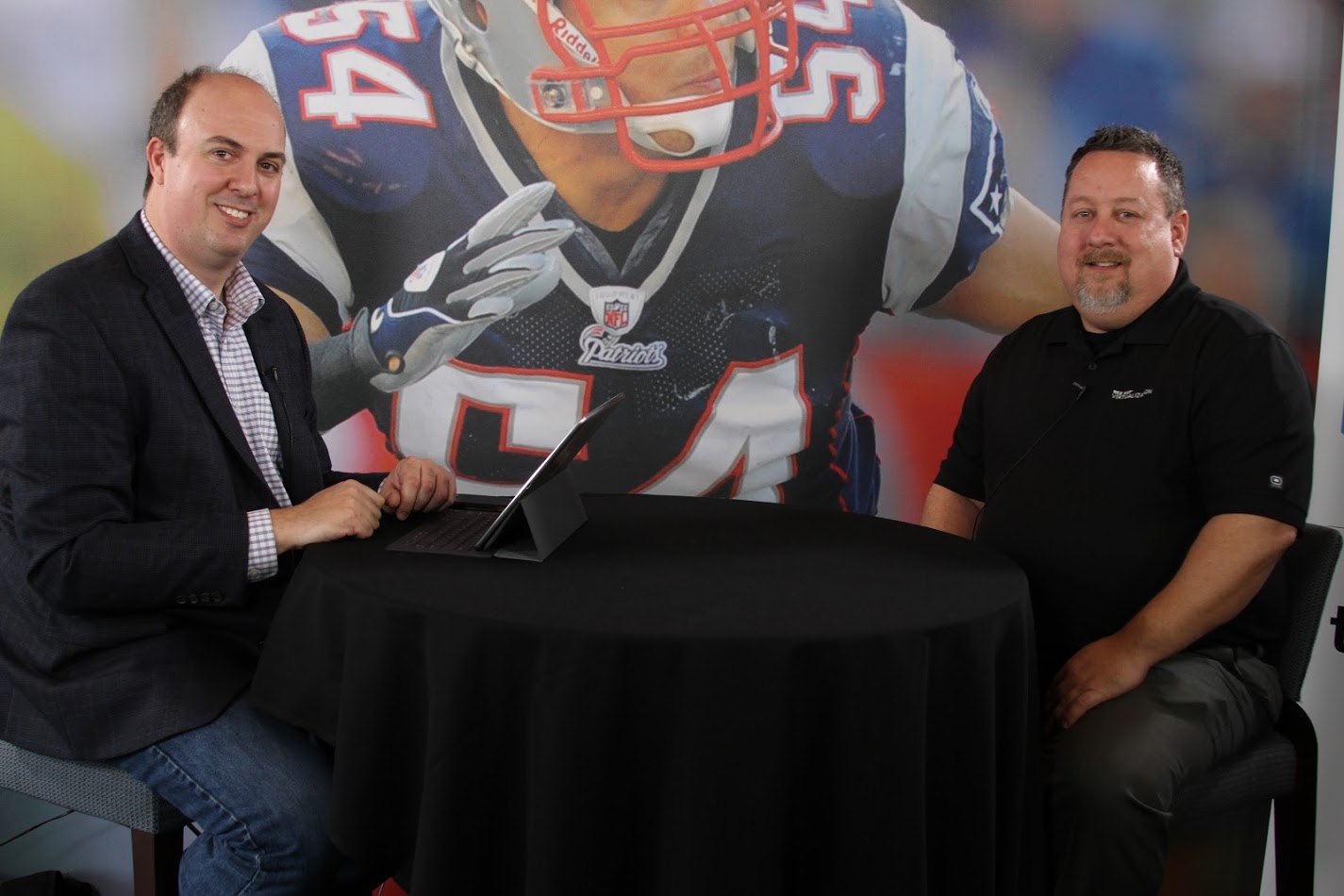
When it comes to technology, Benedict’s team at Red Hat is looking to help customers solve problems and provide proven, long-term solutions. Benedict recently joined Stu Miniman (@stu), senior analyst at Wikibon and host of theCUBE, SiliconANGLE Media’s mobile live streaming studio, during Virtualization Technology Users Group Winter Warmer 2017, held in Foxborough, MA. Benedict and Miniman discussed new virtualization technologies, what brings customers to Red Hat for virtualization, and the online training that is available.
“With all of the new technology coming out — containers, public cloud, private cloud — virtualization is still very much foundational to the modern data center,” explained Benedict.
He said that users come to Red Hat virtualization to solve issues they’re currently having in their enterprises. It could involve mission-critical applications, tier-one databases, Enterprise Resource Planning systems or cloud transitions (i.e., migrating an app from traditional virtualization to OpenStack). Or else a user needs to take advantage of the integrations between Red Hat Enterprise Visualization and OpenStack, using Neutron Networking services, or Glance image services so that apps can span both platforms simultaneously.
Many customers are seeking DevTest environments, using the portfolio — cloud forms for the self-service portals and catalogs — to front RHEV. One of the new use cases that Red Hat is seeing, with the rise of the Video and Data Processing Unit, is providing for the high-tech workstation, Benedict stated.
“There are things that the community does very well in terms of collaboration; open source has been the heart of all of it, from a cultural and an engineering standpoint,” explained Benedict.
Watch the complete video interview below, and be sure to check out more of SiliconANGLE and theCUBE’s coverage of VTUG Winter Warmer 2017.
Support our mission to keep content open and free by engaging with theCUBE community. Join theCUBE’s Alumni Trust Network, where technology leaders connect, share intelligence and create opportunities.
Founded by tech visionaries John Furrier and Dave Vellante, SiliconANGLE Media has built a dynamic ecosystem of industry-leading digital media brands that reach 15+ million elite tech professionals. Our new proprietary theCUBE AI Video Cloud is breaking ground in audience interaction, leveraging theCUBEai.com neural network to help technology companies make data-driven decisions and stay at the forefront of industry conversations.





