 BIG DATA
BIG DATA
BIG DATA







BIG DATA

In the beginning there was batch computing. Then came interactive. Now we are entering the era of the streaming application. The technologies are still nascent, but the work to perfect them is underway. How much will these applications change the game?
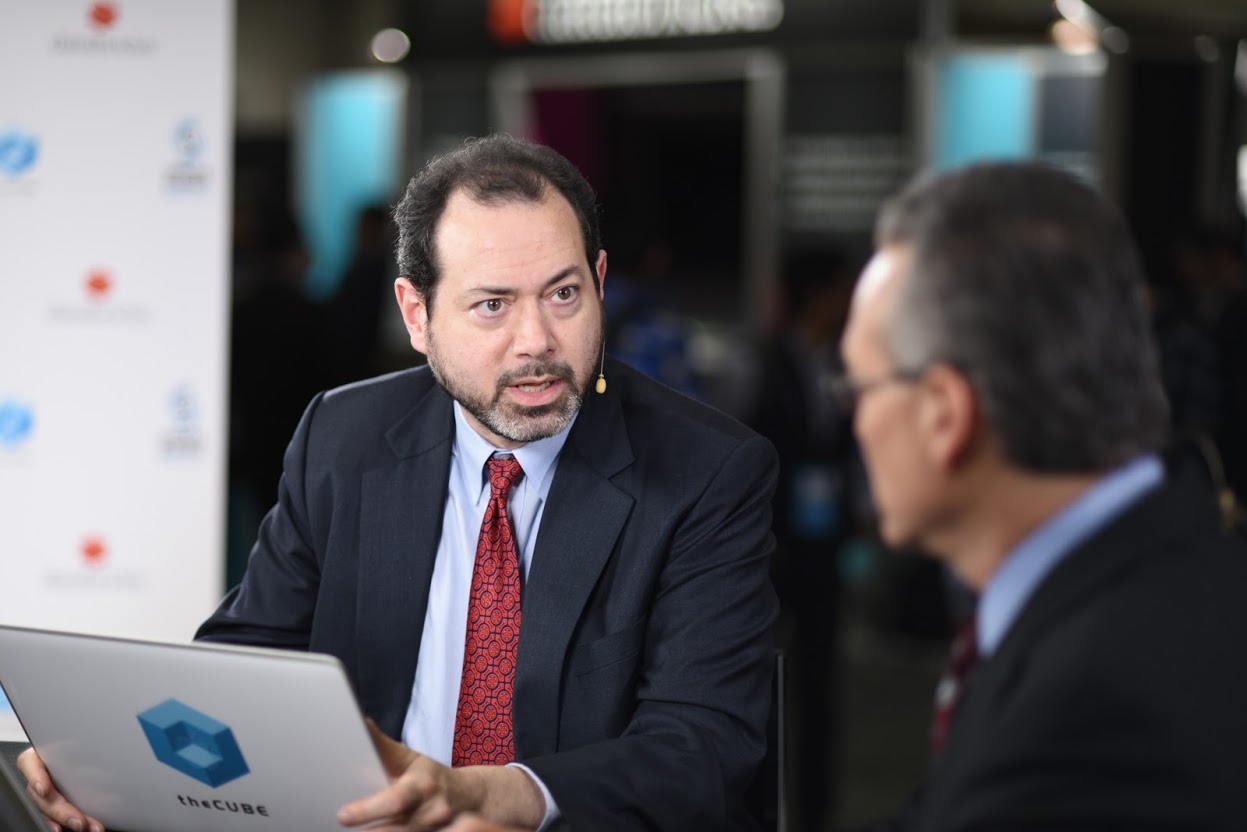
Streaming analytics are already transforming the database market, according to George Gilbert (@ggilbert41 — pictured at left), Wikibon analyst and co-host of theCUBE, SiliconANGLE Media’s mobile live streaming studio.
Gilbert presented part 2 of a Wikibon Big Data Market Update during the Spark Summit East 2017 conference in Boston, MA. (Read part 1 here.) Gilbert explained what streaming really means, saying that a better term for these new apps would be “continuous,” because they will combine batch, interactive and streaming.
What is stalling the explosion of continuous apps? End-to-end automation, according to Gilbert.
“When we can put all these pieces together — ingest, explore, process, serve — when that becomes an end-to-end pipeline, when you can start taking the data in on one end, get a scientist to turn it into a model, inject it into an application, and that process becomes sort of automated, that’s when it’s mature enough for the knee of the curve to start,” he said.
Gilbert and his co-host Dave Vellante (@dvellante — pictured at right) said that the $40 billion database market is already changing as companies look for better streaming capabilities. The OLP (online analytical processing) analytics of traditional database management systems, like Oracle, are shrinking, they said.
“Obviously, you’ve got the big sucking sound of Hadoop, in part, driving that. But, really, increasingly it’s people shifting their resources to some of these new emergent applications and workloads and new types of databases to support them, right?” Vellante asked.
Gilbert agreed and said that while NoSQL databases make up only $1.5 billion of a $40 billion market, “if that were translated into Oracle pricing, the market would be much, much bigger.” In other words, traditional database management systems, like Oracle, charge much more per terabyte than the newer NoSQL databases, so in terms of actual work being done, the gap is not so huge, Gilbert said.
Gilbert said that continuous apps, especially IoT apps, favor NoSQL and NoSQL databases, and so they will continue to strip market share from traditional database management systems in coming years.
Watch the complete video interview below, and be sure to check out more of SiliconANGLE and theCUBE’s coverage of the Spark Summit East 2017 Boston. (*Disclosure: TheCUBE is a media partner at the conference. Neither Databricks nor other sponsors have editorial control over content on theCUBE or SiliconANGLE.)
Support our mission to keep content open and free by engaging with theCUBE community. Join theCUBE’s Alumni Trust Network, where technology leaders connect, share intelligence and create opportunities.
Founded by tech visionaries John Furrier and Dave Vellante, SiliconANGLE Media has built a dynamic ecosystem of industry-leading digital media brands that reach 15+ million elite tech professionals. Our new proprietary theCUBE AI Video Cloud is breaking ground in audience interaction, leveraging theCUBEai.com neural network to help technology companies make data-driven decisions and stay at the forefront of industry conversations.





