 BIG DATA
BIG DATA
BIG DATA







BIG DATA

Storing massive data is a big enough challenge for enterprises, but jetting it around for analytics is an even mightier feet — one that Internet of Things applications nonetheless demand. Can a mainframe with baked-in analytics and flexible scaling options shorten the route from ingest to insight?
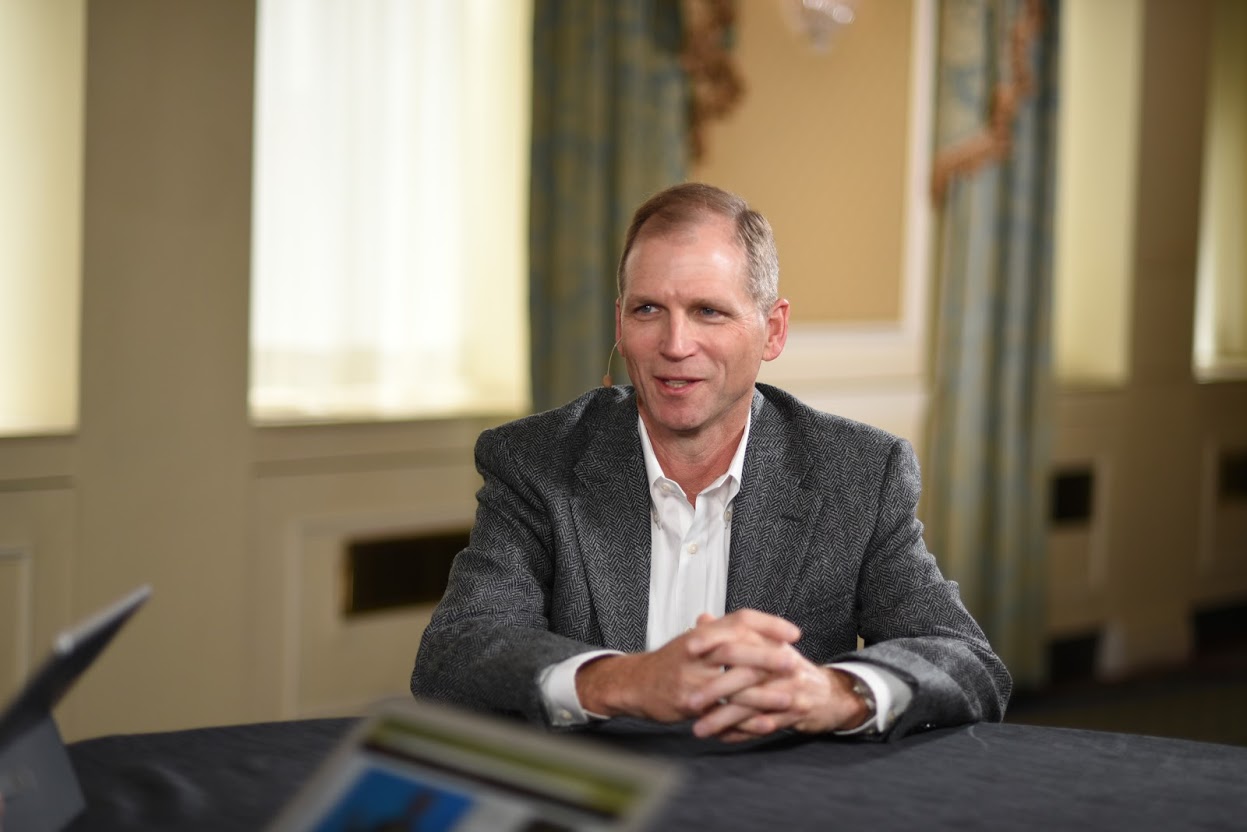
The latest DB2 iteration (IBM Corp.’s relational database management system), DB2 12, introduced last October, attacks both sides of the scaling equation that plagues IoT and mobile, according to Jeff Josten (pictured), IBM distinguished engineer, DB2 for z/OS Development, IBM Analytics, platform development.
At IBM Machine Learning Launch Event in NYC, Josten ran down a list of improvements made to DB2 12. He told Dave Vellante (@dvellante) and Stu Miniman (@stu), co-hosts of theCUBE, SiliconANGLE Media’s mobile live streaming studio, “We can go up to 280 trillion rows in a single table now with DB2, eliminating a lot of the limits that perhaps some customers are bumping up against in the mobile and Internet of Things kinds of worlds.”
Josten said along with transaction rates and table and object sizes, they have also supersized the ingest rates. “We increased the ingest rates so that we can allow for inserts into a single table. We achieved over 11 million inserts per second, fully recoverable, fully logged inserts,” he said.
Great, but an inert mass of data doesn’t give IoT apps the legs they so badly need. Josten said that DB2 12 addresses this problem by marrying its Analytics Accelerator to the z/OS mainframe. “Bringing analytics capabilities to that data makes a lot of sense and resonates with a lot of our customers,” he said.
Josten also said that IBM offers the ability to scale the data way down to make it more manageable for mere mortals looking for insights.
“We have the ability to allow piecemeal management of large tables, so you can manage a single partition — reorganization and extending the size for example of a single partition without having to do table level operations anymore,” he explained.
Watch the complete video interview below, and be sure to check out more of SiliconANGLE and theCUBE’s coverage of the IBM Machine Learning Launch Event 2017 NYC. (*Disclosure: TheCUBE is a media partner at the conference. Neither IBM nor other sponsors have editorial control over content on theCUBE or SiliconANGLE.)
Support our mission to keep content open and free by engaging with theCUBE community. Join theCUBE’s Alumni Trust Network, where technology leaders connect, share intelligence and create opportunities.
Founded by tech visionaries John Furrier and Dave Vellante, SiliconANGLE Media has built a dynamic ecosystem of industry-leading digital media brands that reach 15+ million elite tech professionals. Our new proprietary theCUBE AI Video Cloud is breaking ground in audience interaction, leveraging theCUBEai.com neural network to help technology companies make data-driven decisions and stay at the forefront of industry conversations.





