 EMERGING TECH
EMERGING TECH
EMERGING TECH







EMERGING TECH

Bridging the gaps from the Internet of Things concepts to real-world use cases are sobering up those companies with high hopes for connected devices. Can Artificial Intelligence fill in those gaps and streamline users’ IoT experience?
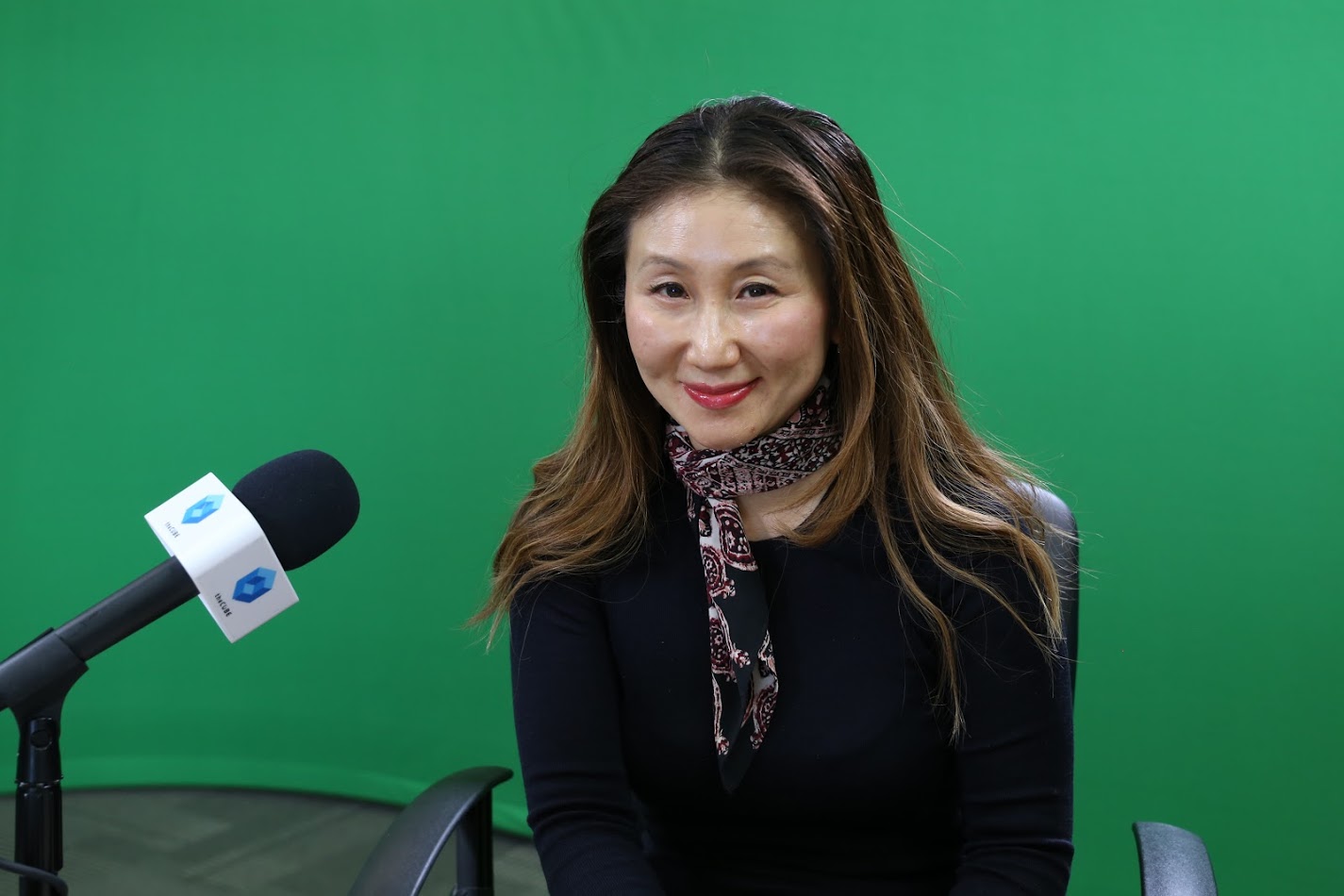
Christina Ku (pictured), director at NTT Docomo Ventures Inc., says her firm has its sights set on software and services startups. “And this year I guess the focus is AI,” she told John Furrier (@furrier), host of theCUBE, SiliconANGLE Media’s mobile live streaming studio.
“I would call it the new infrastructure,” she said.
Ku spoke to Furrier live from the SiliconANGLE Palo Alto studio during this week’s Mobile World Congress being held in Barcelona, Spain.
Ku believes that AI can can serve as an integrating service layer for disparate IoT devices that may otherwise bog down users. She said, for example, that Fitbit Inc. has been a success, but there are other IoT health devices for monitoring heartbeat and so forth that might have equal appeal to users.
“But consumers want a service provider, someone to put that together for them, and I think AI would be in that layer,” she said. “Another interesting concept is what will be the interface — the phone? The Amazon echo?”
Ku’s view is that users’ mobile phones could serve that purpose very well.
“I think people don’t associate a carrier and services,” Ku said. She stated that NTT Docomo Wireless is the largest wireless carrier in Japan with 60 million subscribers. The company is increasingly seeking out software services to invest in and to incorporate into its offerings to customers.
Ku added that wireless carriers have the unique ability to use AI to connect and integrate IoT devices and render them on the user’s mobile in a streamlined fashion.
With an eye for young technologies, Ku highlighted AI’s most interesting characteristics as an investment for NTT Docomo. The company is going deep into AI’s individual components, which could have unforeseen uses.
“We have taken apart AI and started to look at transportation, so I think mapping is a little bit part of that. It’s also driving different industries like eCommerce, IoT,” she said, going on to note particular growth potential for 3D mapping with AI drones in the near future.
Watch the complete video interview below, and be sure to check out more of SiliconANGLE and theCUBE’s coverage of the Mobile World Congress 2017 Barcelona.
Support our mission to keep content open and free by engaging with theCUBE community. Join theCUBE’s Alumni Trust Network, where technology leaders connect, share intelligence and create opportunities.
Founded by tech visionaries John Furrier and Dave Vellante, SiliconANGLE Media has built a dynamic ecosystem of industry-leading digital media brands that reach 15+ million elite tech professionals. Our new proprietary theCUBE AI Video Cloud is breaking ground in audience interaction, leveraging theCUBEai.com neural network to help technology companies make data-driven decisions and stay at the forefront of industry conversations.





