 EMERGING TECH
EMERGING TECH
EMERGING TECH






EMERGING TECH

Showing that virtual reality isn’t just about fun and games, digital infrastructure operator Openreach, subsidiary of United Kingdom-based telecommunications industry services company BT Group plc, announced its intent to show new recruits what it’s like to conduct repairs using immersive 3D.
In a large expansion push, the company expects to hire 1,500 trainees in a U.K.-wide initiative over the next eight months. Openreach’s current 32,000 employees are responsible for maintaining millions of miles of fiber and copper cables that crisscross the U.K. Engineers are needed to repair infrastructure such as wires hanging high from telephone poles and cables snaking through long tunnels beneath city streets.
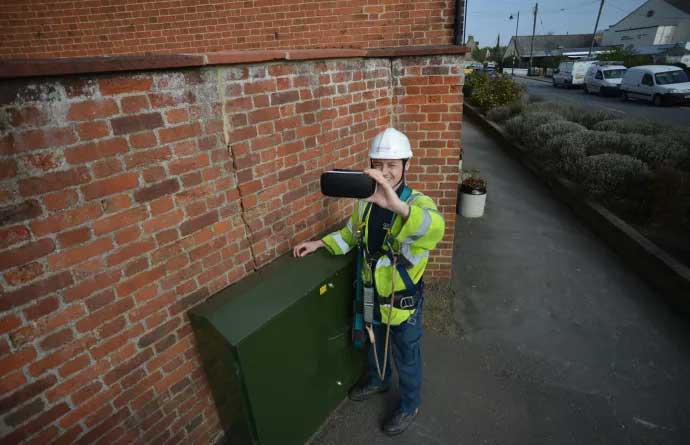
To give prospective hires an idea of what the job will bring, the company announced that representatives would bring VR headsets on the road to recruitment roadshows and events. The breadth of working conditions covered by Openreach’s 360-degree videos include an engineer’s-eye view from atop a telephone pole, a virtual tour of a telephone exchange and a look inside a roadside “green cabinet.” The videos are currently available for viewing on any PC, tablet or VR headset on the company’s YouTube channel.
“Everyone wonders what it might be like to work for a company when they apply for a job, but we’re giving people the ability to physically see it and experience it for themselves,” said Kevin Brady, human resources director for Openreach.
Brady said the company sees a great variety of people interested in becoming engineers, but often the physical and mental demands of the work can prove challenging. He said that he believes that VR can be used to give potential hires an idea of what might be expected of them in a way that can help them decide if this is a career they want.
“We know, for example, that climbing a pole for the first time can be daunting for new recruits, and that’s why we wanted to give people a real insight into what’s involved,” Brady said. “Hopefully, it will help them to make a more informed decision when they come to apply.”
With VR’s current surge in popularity, mobile headsets are cheaper than ever before. In fact, it’s possible to turn a current-generation smartphone into a VR headset with an $80 enclosure such as the Samsung Gear VR. The technology to produce 360-degree video has also been made so small that point-of-view VR is not just easier, but less expensive as well.
That has opened up myriad opportunities to bring VR on the road without the need for expensive, custom-built equipment.
Support our mission to keep content open and free by engaging with theCUBE community. Join theCUBE’s Alumni Trust Network, where technology leaders connect, share intelligence and create opportunities.
Founded by tech visionaries John Furrier and Dave Vellante, SiliconANGLE Media has built a dynamic ecosystem of industry-leading digital media brands that reach 15+ million elite tech professionals. Our new proprietary theCUBE AI Video Cloud is breaking ground in audience interaction, leveraging theCUBEai.com neural network to help technology companies make data-driven decisions and stay at the forefront of industry conversations.





