 BIG DATA
BIG DATA
BIG DATA







BIG DATA

Digital disruption in commerce is as old as Amazon.com Inc., but through artificial intelligence and Internet of Things, buyer experience is again transforming in business-to-business and business-to-consumer transactions.
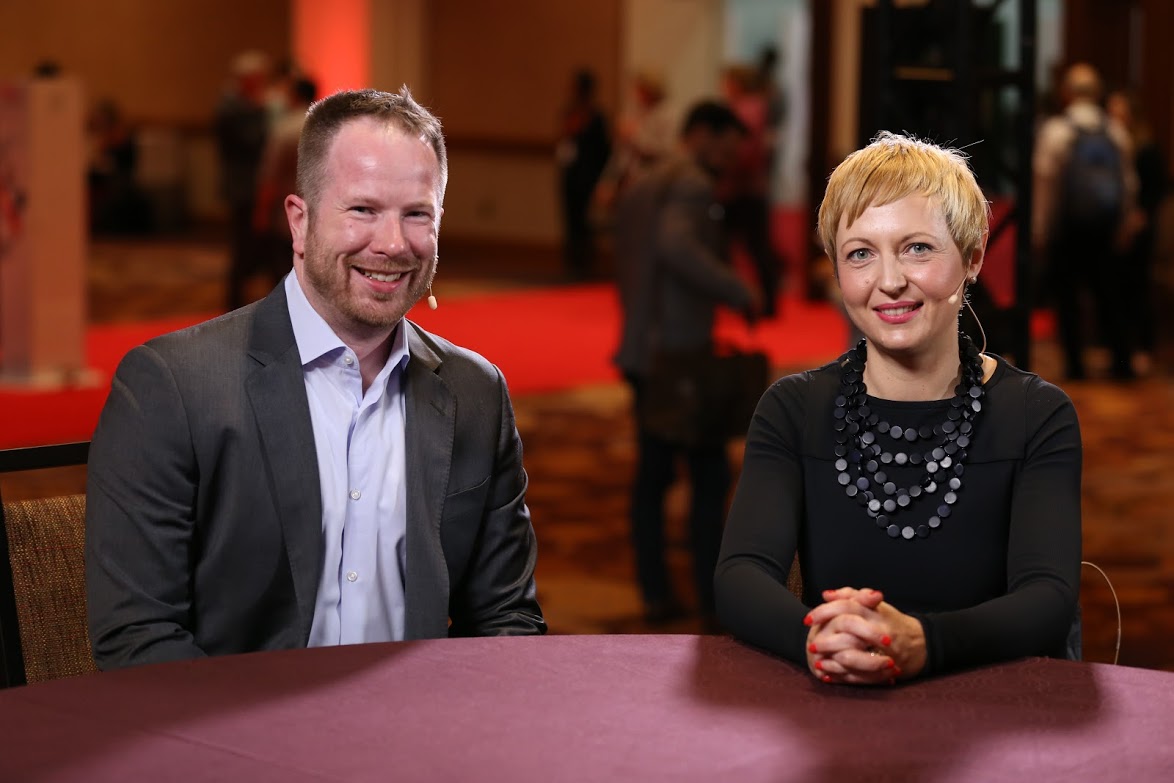
“Now it’s completely fathomable to leverage AI to drive more high-end personalization or to leverage IoT to embed commerce more into everyday experiences,” said Katrina Gosek (pictured, right), senior director of commerce product strategy at Oracle Corp.
To bring data and AI together seamlessly, B2B and B2C should learn from each other, according to Gosek and Alistair Galbraith (pictured, left), senior director of CX product strategy at Oracle. They spoke to John Furrier (@furrier) and Peter Burris (@plburris), co-hosts of theCUBE, SiliconANGLE Media’s mobile live streaming studio, during the Oracle Modern Marketing Experience in Las Vegas, Nevada. (*Disclosure below).
“B2B has always been more focused on personalization, because they do have so much information about their customers — contract data, a lot of information about the buyer,” Gosek said. B2C sellers are suddenly able to directly connect to customers via digital platforms and can learn data curation and profile building from B2B, she added.
On the flip side, B2B can benefit from a study of how B2C interfaces with consumers, Gosek explained. Typically, B2C companies have provided breezy buying experiences compared to B2B sellers, and this is a major area where customers want B2C to improve.
“Their expectations are: ‘I’m going to have a great personalized experience. I’m going to be able to leverage the same tools that I see in my consumer shopping experiences for my B2B experience,'” said Gosek.
“What we know about someone as a consumer also directly affects their buying decisions as a B2B employee buying for their brand,” said Galbraith. A single pool for all of a consumer’s data would help B2B and B2C sellers better target them, he said.
Oracle ID Graph — a data management platform that analyzes channel identifiers and device indicators — merges identities, data and micro-transactions. “They might start on mobile, move to voice, move into a physical store, and we’re trying to track that customer in all of those places,” he said.
Watch the complete video interview below, and be sure to check out more of SiliconANGLE’s and theCUBE’s independent editorial coverage of Oracle’s Modern Marketing Experience. (*Disclosure: TheCUBE is a paid media partner at Oracle’s Modern Marketing Experience. The conference sponsor, Oracle, does not have editorial oversight of content on theCUBE or SiliconANGLE.)
Support our mission to keep content open and free by engaging with theCUBE community. Join theCUBE’s Alumni Trust Network, where technology leaders connect, share intelligence and create opportunities.
Founded by tech visionaries John Furrier and Dave Vellante, SiliconANGLE Media has built a dynamic ecosystem of industry-leading digital media brands that reach 15+ million elite tech professionals. Our new proprietary theCUBE AI Video Cloud is breaking ground in audience interaction, leveraging theCUBEai.com neural network to help technology companies make data-driven decisions and stay at the forefront of industry conversations.





