 CLOUD
CLOUD
CLOUD
CLOUD






CLOUD

Docker Inc. has made containers one of the buzziest developments in information technology today, allowing applications to move easily across many computing and software environments. But they’re still viewed with some trepidation by IT folks uncertain about their complexity and security.
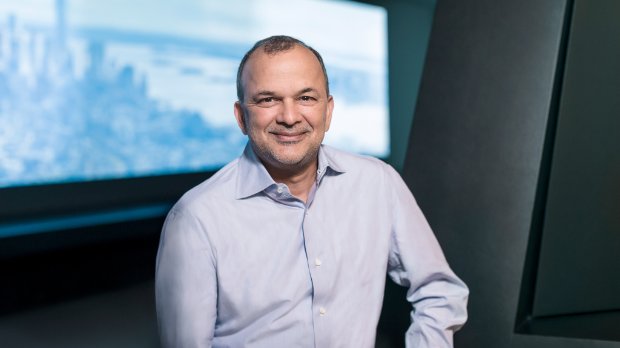
Those are some of the challenges new Chief Executive Steve Singh (pictured) aims to solve. Singh was appointed CEO Tuesday, taking over from Ben Golub. In an email interview with SiliconANGLE, the 20-year technology executive and founder of travel and expense management giant Concur Technologies provided some insight on how he came to Docker and what he plans to take it to the next level:
Q: You’ve been chairman of Docker since last year, but what originally interested you in the company?
A: As companies look to create a new generation of application and services to bring their business into the global digital economy, many are turning to Docker to reduce their cost structure and increase the manageability of their existing cost infrastructure. I believe Docker is in a unique position to solve these problems and truly change how organizations will reduce their costs and achieve new efficiencies.
The growth Docker has experienced over the past four years demonstrates the demand and is a testimonial to the foundation Solomon and Ben have built to date. Given this opportunity and the fact that Docker is starting to see tremendous traction with Docker Enterprise Edition in with the likes of customers like Visa, MetLife and ADP, I really thought that I could make an impact on helping to scale the business.
Q: Given that you probably don’t need a job, why did you decide to become CEO of Docker?
A: My decision to leave SAP was purely based on the new opportunity ahead at Docker. I have nothing but extreme gratitude for the relationships and experiences I had at Concur and SAP.
As a member of Docker’s board since November, I have had the opportunity of witnessing Docker as it has continued to build a vibrant community, ecosystem and customer base. After many discussions with Ben, Solomon and the board, we ultimately decided that the time was right for me to join and guide Docker through its next phase of growth and innovation.
Q: What are the main things you plan to do to move Docker forward? Any particular challenges in the market that you want to focus on?
A: There are three main goals I would like to focus on in the upcoming year:
Continue to innovate. The best technology companies aggressively drive innovation. We are going to continue to invest in our open source and in our platform to continue to lead the market in building innovative products and technologies.
Build out capacity to sell to, market to, and serve enterprise customers.
Continue to build a team and culture that embodies the vision of Docker.
Q: Containers face some challenges to go truly mainstream in large enterprises, such as ease of use, talent, and security concerns. How are you planning to overcome those?
A: Since our enterprise offering was shipped over a year ago, we have focused on and made investments in product development. Docker is building a platform that supports the entire application lifecycle with security, orchestration, container management and more. And as a result, Global 2000 enterprises including ADP, MetLife and Visa are realizing the benefits of Docker Enterprise Edition – with tech giants like AWS, IBM, Microsoft and Oracle actively involved in the ecosystem.
As we innovate, we are continuing to address challenges and enterprise concerns. For instance, we introduced Docker Secrets and Docker Security Scanning to enable developers and IT ops teams to build and run safer apps. We embedded orchestration, making it easier for organizations to manage their applications across the entire lifecycle. We will continue to make these investments, embracing the entire ecosystem to provide customers with the solutions that best meet their requirements.
Q: What kind of models are shaking out in terms building companies on open source software, and how would you characterize Docker’s particular approach?
A: Open source is the model of the future. Taking an open source approach ultimately fuels innovation and in a collaborative nature, so that we are solving real-world issues, faster. In our case, you can’t build a platform company without an ecosystem, and a vibrant one at that. The future of application innovation is dependent on embracing an ecosystem of partners that deliver value through a variety of services. We, alongside our ecosystem, are poised to lead this charge.
Support our mission to keep content open and free by engaging with theCUBE community. Join theCUBE’s Alumni Trust Network, where technology leaders connect, share intelligence and create opportunities.
Founded by tech visionaries John Furrier and Dave Vellante, SiliconANGLE Media has built a dynamic ecosystem of industry-leading digital media brands that reach 15+ million elite tech professionals. Our new proprietary theCUBE AI Video Cloud is breaking ground in audience interaction, leveraging theCUBEai.com neural network to help technology companies make data-driven decisions and stay at the forefront of industry conversations.





