 INFRA
INFRA
INFRA
INFRA







INFRA

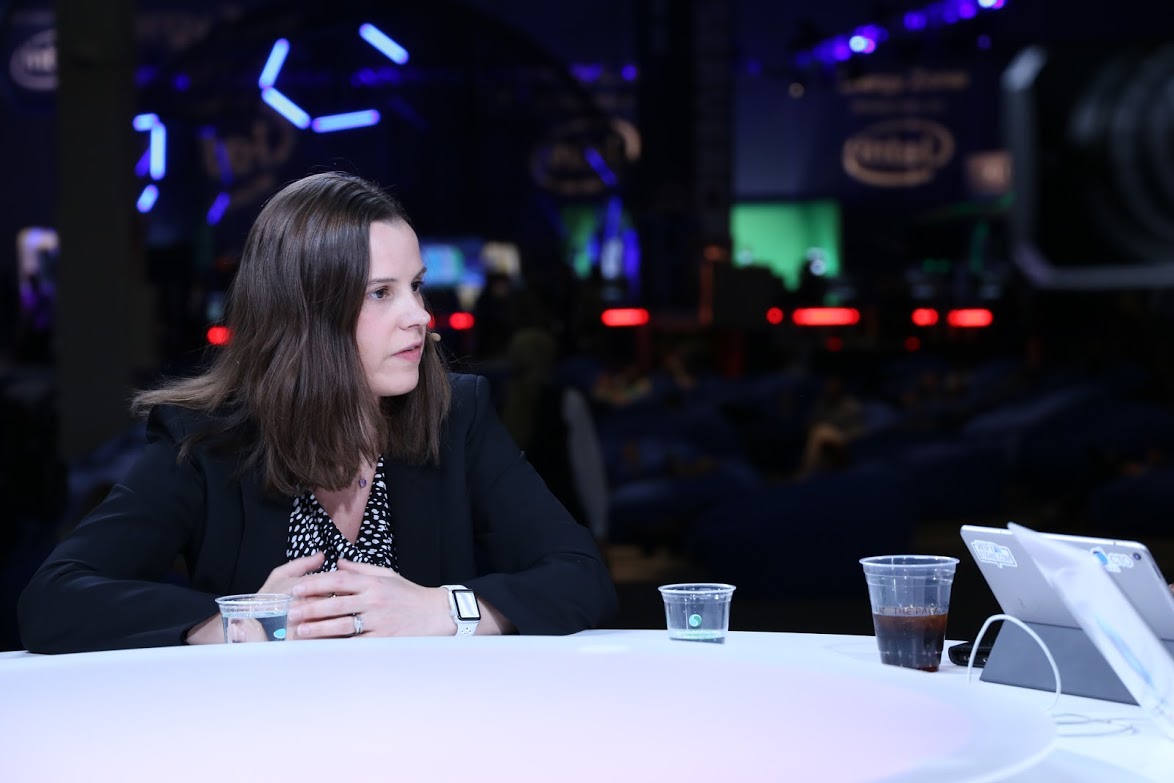
Buyer beware: Storage arrays are not created equal, and even the all-flash systems have marked differences in performance, according to Caitlin Gordon (pictured), director of product marketing at Dell EMC.
“Already over 80 percent of net new [Dell EMC VMAX] sales are all-flash,” Gordon told John Furrier (@furrier), host of theCUBE, SiliconANGLE Media’s mobile live streaming studio, and guest host Keith Townsend (@CTOAdvisor), during Dell EMC World in Las Vegas, Nevada. (* Disclosure below.)
Customers in search of a high-end all-flash array should err toward the multi-controller variety, Gordon said. A dual controller array (or an ostensibly multi-controller array where one of the controllers is not active) will not deliver the same performance.
“Am I getting all of the controllers I’m paying for, or am I paying for one that just sits there?” Gordon asked.
Within Dell EMC, the XtremIO and VMAX arrays offer different relative strengths and weaknesses, according to Gordon. The two all-flash arrays have been “refreshed,” with new features that boost performance in both. And the brand new 950F is now the VMAX flagship model, replacing the 450 and 850. The new array offers a performance of 6.7 million input/output operations per second and is 68 percent faster with 30 percent better response times than the previous generation, Gordon explained.
While VMAX is recommended for enterprise workloads, consolidation and mission-critical applications, the upgraded XtremIO X2 serves a different market. “XtremeIO’s great for those efficiency use cases, so think VDI [Virtual Desktop Interface] where you can get really great deduplication,” she said.
XtremIO users are also finding the array great for integrated copy data management and taking large-scale snapshots that are not just for backup, but are actually writable, Gordon stated.
Watch the complete video interview below, and be sure to check out more of SiliconANGLE’s and theCUBE’s independent editorial coverage of Dell EMC World 2017. (* Disclosure: TheCUBE is a paid media partner for Dell EMC World. Neither Dell nor other sponsors have editorial influence on content on theCUBE or SiliconANGLE.)
Support our mission to keep content open and free by engaging with theCUBE community. Join theCUBE’s Alumni Trust Network, where technology leaders connect, share intelligence and create opportunities.
Founded by tech visionaries John Furrier and Dave Vellante, SiliconANGLE Media has built a dynamic ecosystem of industry-leading digital media brands that reach 15+ million elite tech professionals. Our new proprietary theCUBE AI Video Cloud is breaking ground in audience interaction, leveraging theCUBEai.com neural network to help technology companies make data-driven decisions and stay at the forefront of industry conversations.





