 INFRA
INFRA
INFRA
INFRA







INFRA

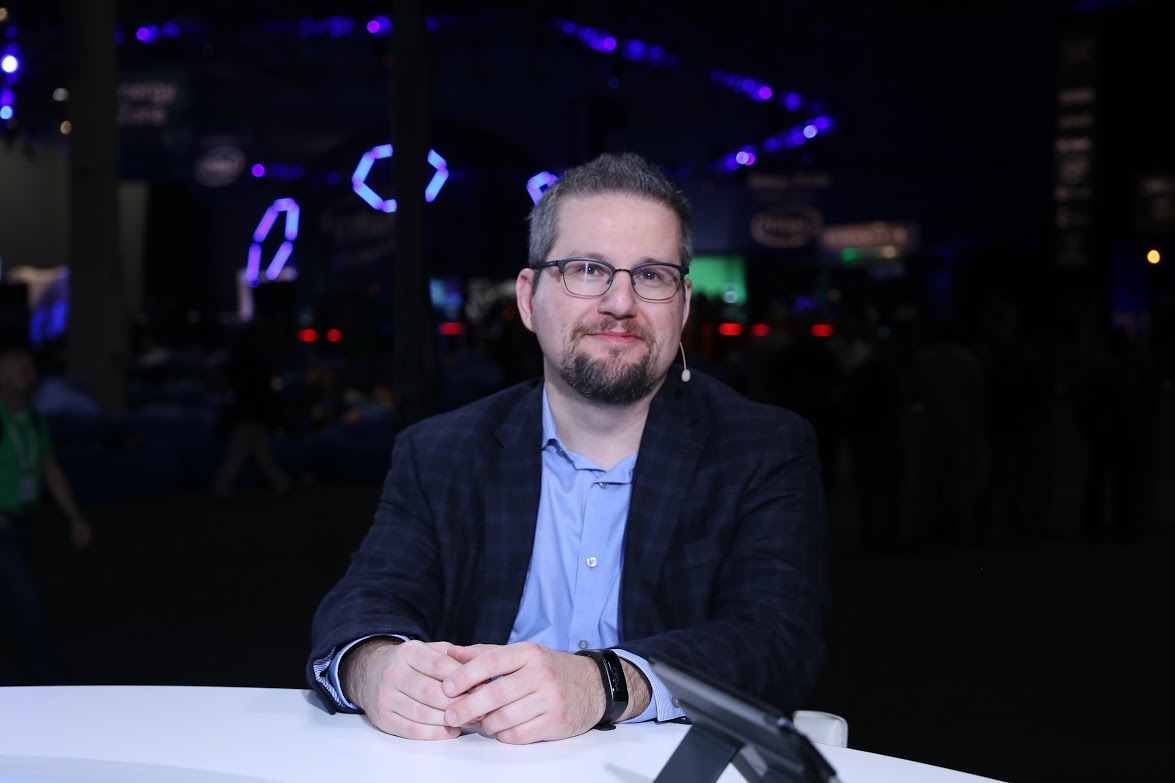
Comparing storage types, one quickly gets tangled in terms like spinning disks, solid state drives and non-volatile memory express methods. There is one simple test for all, according to Itzik Reich (pictured), chief technical officer, XtremIO, at Dell EMC, Dell Technologies Inc.’s infrastructure group.
“How quick can you make the query, whether it’s a database application or a [Virtual Desktop Infrastructure, virtual machine] or just a generic web server running on a virtual machine? Those are the important things today,” he stated during Dell EMC World 2017 in Las Vegas, Nevada.
Dell EMC engineered the second iteration of XtremIO, dubbed the X2, with this in mind, Reich told John Walls (@JohnWalls21), host of theCUBE, SiliconANGLE Media’s mobile live streaming studio, and guest host Keith Townsend (@CTOAdvisor). (* Disclosure below.)
Also informing the process were years of feedback from customers.
“We found that the majority of them are using very, very small block-sizes [maximum lengths, measured in bytes, of data block], and we wanted to improve the performance on those block-sizes — the IOPS [Input/Output Operations Per Second] and the latency,” he explained.
Dell EMC discovered that in real-world workloads, performance and IOPS aren’t quite as synonymous as many suspect, Reich stated. “The real magic number is latency,” he said.
XtremIO X2 provides 80 percent better latency for pretty much any workload out there, according to Reich.
Throwing more CPUs at the problem was not the route to this 80 percent improvement, with the Moore’s Law promise of 200 percent performance bumps between generations clearly defunct, he said. Instead, they piled in a whole lot more solid state drives and made some other creative revisions.
The result is all-flash storage that works at least as fast as new, expensive NVMe drives for less money, Reich concluded.
Watch the complete video interview below, and be sure to check out more of SiliconANGLE’s and theCUBE’s independent editorial coverage of Dell EMC World 2017. (* Disclosure: TheCUBE is a paid media partner for Dell EMC World. Neither Dell nor other sponsors have editorial influence on content on theCUBE or SiliconANGLE.)
Support our mission to keep content open and free by engaging with theCUBE community. Join theCUBE’s Alumni Trust Network, where technology leaders connect, share intelligence and create opportunities.
Founded by tech visionaries John Furrier and Dave Vellante, SiliconANGLE Media has built a dynamic ecosystem of industry-leading digital media brands that reach 15+ million elite tech professionals. Our new proprietary theCUBE AI Video Cloud is breaking ground in audience interaction, leveraging theCUBEai.com neural network to help technology companies make data-driven decisions and stay at the forefront of industry conversations.





