 BIG DATA
BIG DATA
BIG DATA







BIG DATA

As big data and machine learning tools become essential for modern business, the primary goal is no longer predicting the likelihood of making a sale. It’s now a matter of increasing the likelihood that a customer will buy. This key distinction forms the essential thesis behind former Columbia University Professor Eric Siegel’s book, “Predictive Analytics: The Power to Predict Who Will Click, Lie, Buy or Die.”
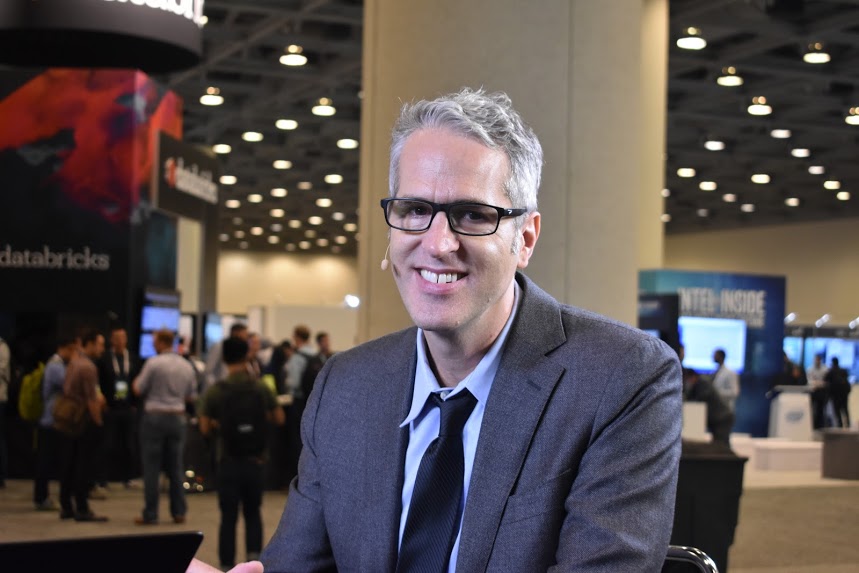
Siegel (pictured), founder of Predictive Analytics World, a cross-vendor event for predictive analytics professionals, managers and commercial practitioners, visited theCUBE, SiliconANGLE’s mobile livestreaming studio, and answered questions from hosts David Goad (@davidgoad) and George Gilbert (@ggilbert41), during this year’s Spark Summit in San Francisco, California. (* Disclosure below.)
They discussed p-hacking, uplift modeling, and how to get beyond the bells and whistles of technology to add value.
In his book, Siegel delves into the science of making predictions on how to approach many types of individuals including consumers, medical patients or voters. The focus is on using data to influence the desired outcome rather than just merely targeting the right audience, an approach known as uplift modeling. “If we can improve targeted marketing this much it will increase profit by a factor of five,” Siegel said.
Advanced technology has raised the power to tailor marketing campaigns more specifically and often with better results. “Anything that you can think of and define well you can program,” Siegel stated. “You’ve got a machine to do it.”
But technology can lead to pitfalls as well. Large-scale data mining has given rise to p-hacking, the use of an enormous store of information to uncover selectively chosen patterns that could be statistically significant. This increases the danger of being fooled by randomness. “You have to make sure that for the one [insight] you are believing, you’ve checked that it wasn’t just random luck,” said the author.
As a technologist himself, Siegel is wary of becoming seduced by the tremendous opportunity offered by an ever-growing data lake and rapid advances in machine learning. “That’s sort of the definition of a geek. You’re more enamored of the technology than the value it produces,” he concluded.
Watch the complete video interview below, and be sure to check out more of SiliconANGLE’s and theCUBE’s coverage of Spark Summit 2017. (* Disclosure: DataBricks Inc. sponsored this Spark Summit 2017 segment on SiliconANGLE Media’s theCUBE. Neither DataBricks nor other sponsors have editorial control over content on theCUBE or SiliconANGLE.)
Support our mission to keep content open and free by engaging with theCUBE community. Join theCUBE’s Alumni Trust Network, where technology leaders connect, share intelligence and create opportunities.
Founded by tech visionaries John Furrier and Dave Vellante, SiliconANGLE Media has built a dynamic ecosystem of industry-leading digital media brands that reach 15+ million elite tech professionals. Our new proprietary theCUBE AI Video Cloud is breaking ground in audience interaction, leveraging theCUBEai.com neural network to help technology companies make data-driven decisions and stay at the forefront of industry conversations.





