 CLOUD
CLOUD
CLOUD
CLOUD







CLOUD

While the open-source delivery model has emerged as a highly popular success, the problem remains that free downloadable software does not usually lead to revenue. But a growing number of cloud network entrepreneurs are becoming convinced that focusing their efforts on providing specific services for the enterprise computing marketplace is their path to the promised land.
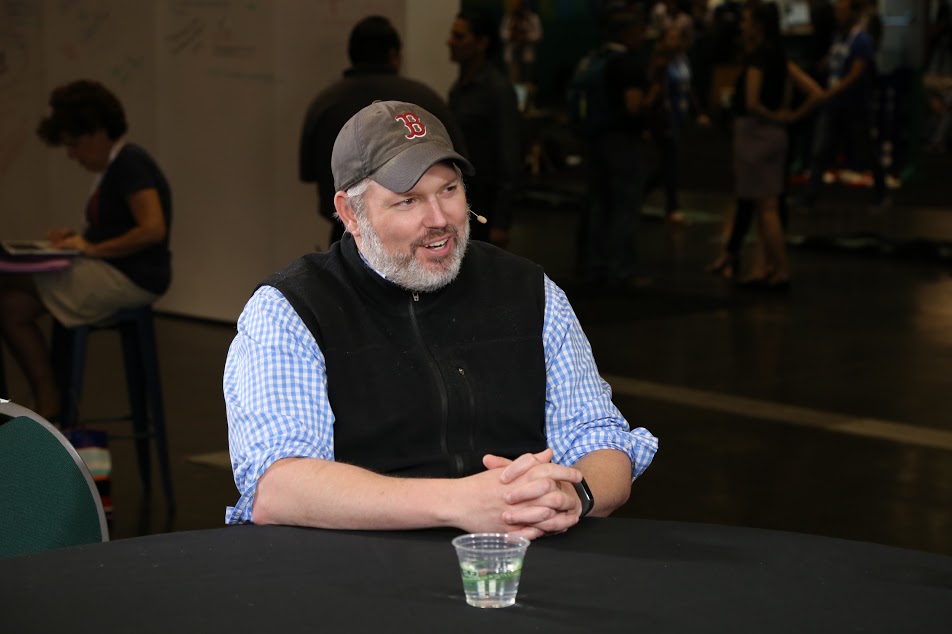
“The future of monetization for open-source is largely going to be in the cloud as a service,” said Stephen O’Grady (pictured), principal analyst and co-founder of RedMonk LLC.
O’Grady offered his thoughts on this and other topics during an appearance with Stu Miniman (@stu) and John Troyer (@jtroyer), co-hosts of theCUBE, SiliconANGLE’s mobile livestreaming studio, during the Cloud Foundry Summit in Santa Clara, California.
He discussed monetization and how developers and enterprises must adapt to the multi-tool, multi-cloud environment.
The difficulty of generating profits from a free product is a problem that has grown harder to solve as more cloud-based applications and tools stream into the market, according to O’Grady. “Even the best open-source companies in the world convert a very small percentage of their users to paying customers,” said O’Grady.
But the RedMonk analyst also pointed out that while it’s more challenging to run a business based on software as a service, it’s also “the cleanest.” As he described for theCUBE, “Instead of going to a business and saying, ‘Buy this thing from me for free, and then run it yourself,’ you want to say, ‘Buy this thing from me for free, and I can run it better than you because I wrote it.’”
O’Grady also addressed the future of Cloud Foundry, an application platform for cloud computing, citing the organization’s joint integration with Google of Kubernetes (a project called Kubo) and Microsoft joining the Cloud Foundry Foundation as positive news.
“I think (Kubo) is a welcome development. You want to support that kind of choice for customers,” he said.
As the enterprise computing market grows more complicated, the challenge will be for companies to find a happy medium when making platform decisions, according to O’Grady. Enterprises are reluctant “to put their eggs all in one basket from a platform standpoint,” he said. “But they’re also not interested in picking between half a dozen projects in eight different categories.”
Watch the complete video interview below, and be sure to check out more of SiliconANGLE’s and theCUBE’s independent editorial coverage of Cloud Foundry Summit.
Support our mission to keep content open and free by engaging with theCUBE community. Join theCUBE’s Alumni Trust Network, where technology leaders connect, share intelligence and create opportunities.
Founded by tech visionaries John Furrier and Dave Vellante, SiliconANGLE Media has built a dynamic ecosystem of industry-leading digital media brands that reach 15+ million elite tech professionals. Our new proprietary theCUBE AI Video Cloud is breaking ground in audience interaction, leveraging theCUBEai.com neural network to help technology companies make data-driven decisions and stay at the forefront of industry conversations.





