 INFRA
INFRA
INFRA
INFRA







INFRA

When executives at Baylor College of Medicine in Houston, Texas, decided to upgrade the college’s storage last year, they sifted through several vendors to find one with up-to-the-minute technology that fit the school’s on-premise application needs.
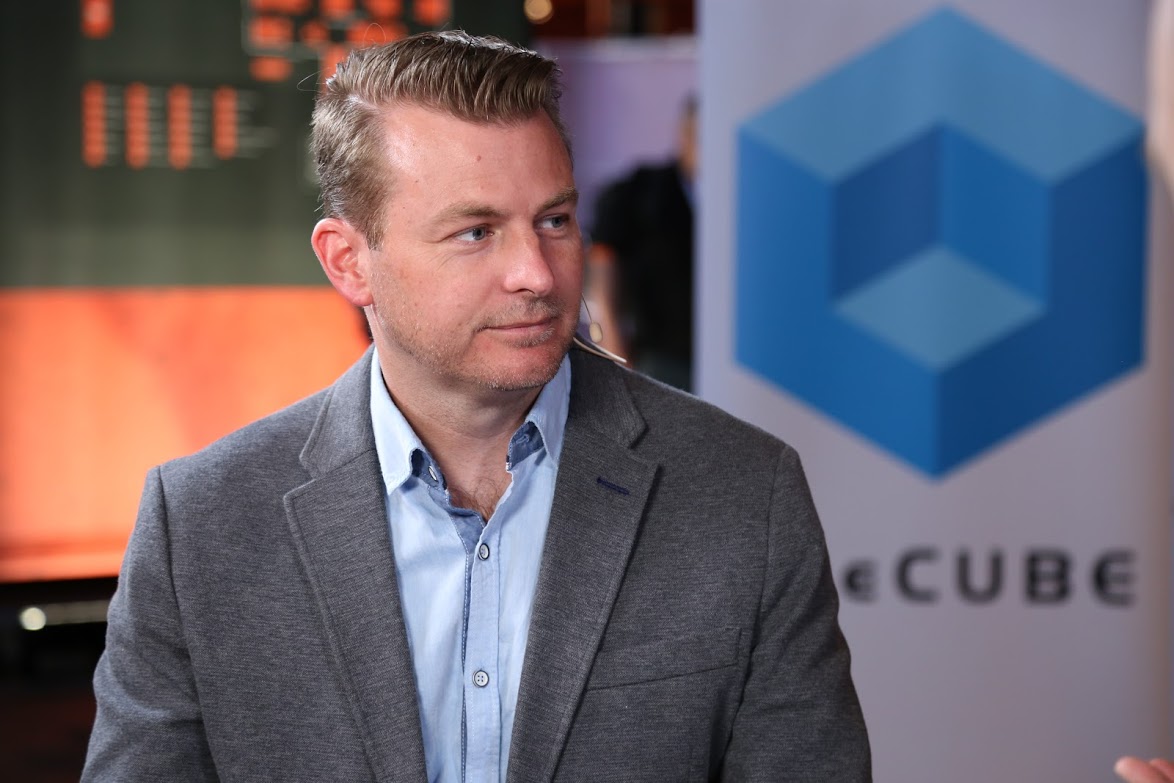
“We wanted something that was a new and different approach to storage; it wasn’t just layering your legacy [operating system] on a bunch of flash drives and call it good,” said Brian McDaniel (pictured), infrastructure architect at Baylor College of Medicine.
BCM is a teaching facility but also leads healthcare research and development for the Texas Medical Center, McDaniel explained during an interview at Pure//Accelerate 2017 in San Francisco, California.
The imperative to upgrade came courtesy of new system requirements from Epic Systems Corp., maker of the electronic medical records system BCM relies on.
“Honestly, we struggled to meet the requirements with our legacy system,” McDaniel told Dave Vellante (@dvellante) and Stu Miniman (@stu), co-hosts of theCUBE, SiliconANGLE Media’s mobile livestreaming studio. (* Disclosure below.)
Seeing that it was time to revamp BCM’s infrastructure, the information technology team decided it may as well go the whole hog and deviate toward something cutting edge. All-flash arrays sprang to mind, so McDaniel and colleagues started meeting with vendors.
“First and foremost, they have to be Epic certified — that eliminated a couple of contenders right off the bat,” McDaniel said.
Pure Storage Inc. was one of the companies with a validated design with Epic’s modularized compliance methods for managing electronic health records, he explained. The fact that Pure’s storage technology is “flash-native” also appealed to McDaniel.
Additionally, BCM was already running a Cisco Systems Inc. Unified Computing System. Pure’s collaboration with Cisco and the resulting FlashStack converged infrastructure stood out for BCM, McDaniel said.
The IT team didn’t have to doctor the system too much. Once it was set up, it was pretty much ready for primetime, according to McDaniel. “It made the time to market to get production workloads on it very quick,” he said.
Watch the complete video interview below, and be sure to check out more of SiliconANGLE’s and theCUBE’s independent editorial coverage of Pure//Accelerate 2017. (* Disclosure: TheCUBE is a paid media partner for Pure//Accelerate 2017. Neither Pure Storage Inc. nor other sponsors have editorial control over content on theCUBE or SiliconANGLE.)
Support our mission to keep content open and free by engaging with theCUBE community. Join theCUBE’s Alumni Trust Network, where technology leaders connect, share intelligence and create opportunities.
Founded by tech visionaries John Furrier and Dave Vellante, SiliconANGLE Media has built a dynamic ecosystem of industry-leading digital media brands that reach 15+ million elite tech professionals. Our new proprietary theCUBE AI Video Cloud is breaking ground in audience interaction, leveraging theCUBEai.com neural network to help technology companies make data-driven decisions and stay at the forefront of industry conversations.





