



 EMERGING TECH
EMERGING TECH
EMERGING TECH
EMERGING TECH

CastAR Inc., a Silicon Valley-based augmented reality startup founded by two former Valve Corp. employees and backed by Android creator Andy Rubin, has shut down after failing to raise new venture capital funding.
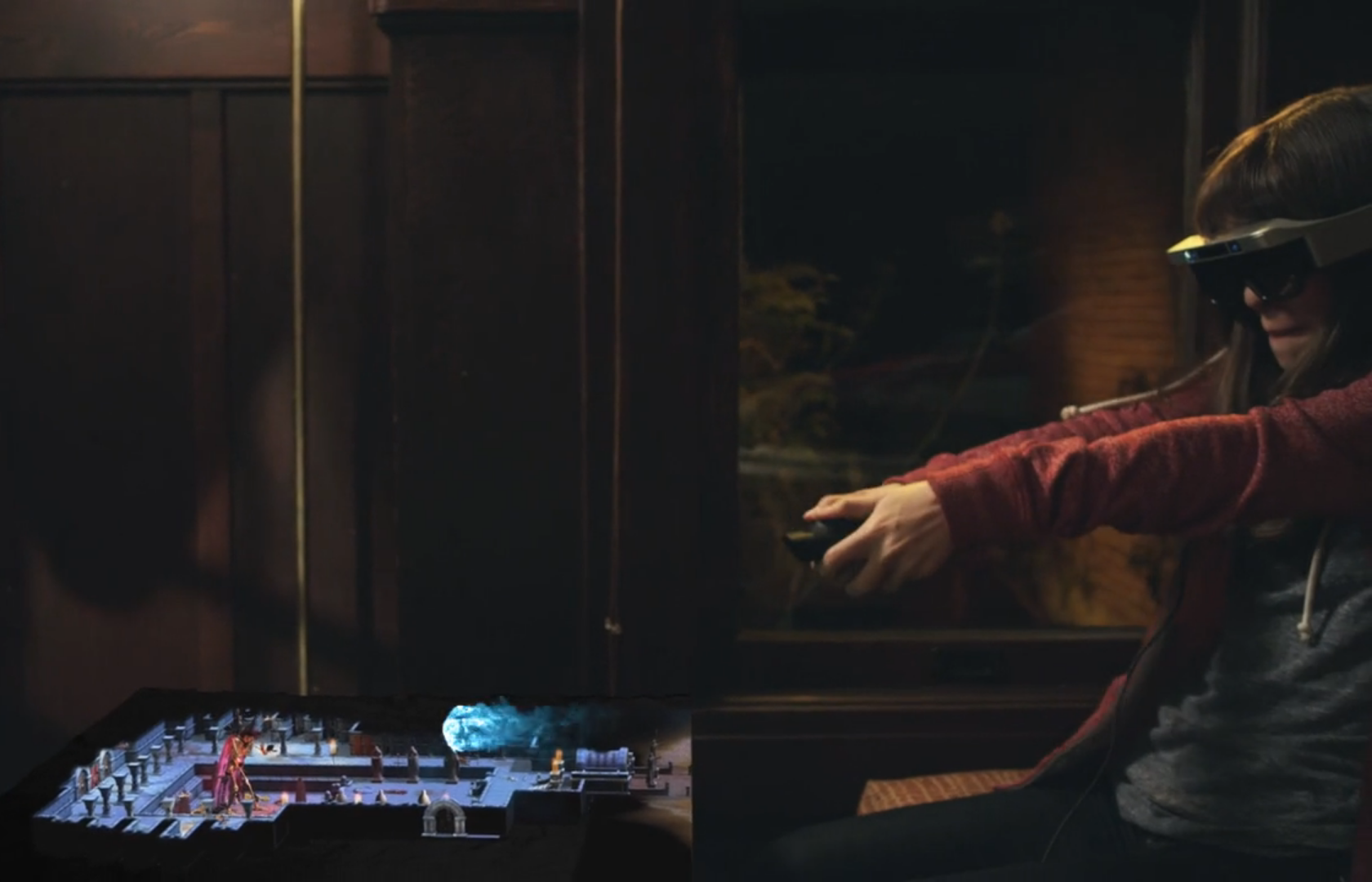
Founded in 2013, castAR, originally named Technical Illusions Inc., launched with an initial Kickstarter campaign that raised $1 million to deliver a consumer-level, affordable AR headset. Its goal was to provide users a “magical experience of 3D holographic worlds” that spring to life from a table, wall or other objects. The company claimed not to be a “technology demonstration” company, in that it considered how real people work and play together to make products that aimed to be natural, responsive and embedded in the physical world.
Although the spin sounded great, the vision hit its first hurdle in 2015 when the company was forced to refund the $1 million raised from its Kickstarter campaign after failing to deliver a product as promised. All was not lost at this time, with castAR managing to raise $15 million in venture capital in a round led by Rubin’s Playground Global.
Fast forward two years and $15 million spent, and castAR still could not bring its vision to market.
According to Polygon, the company has laid off fewer than 70 people from its Palo Alto headquarters and its Salt Lake City studio, with a core group of remaining employees said to be working on selling the company’s existing technology. The property may include a prototype AR headset but is more likely to include intellectual property and patents.
The company has not officially confirmed the news on its website, but co-founder Jeri Ellsworth essentially confirmed the news on Twitter, writing, “I’m humbled and honored to have so many people jumping in to help with the unexpected castAR situation. All your kind words warm my heart.”
CastAR’s failure shows that despite the hype around AR and virtual reality, the technology itself isn’t as easy as raising some money and hoping for the best. CastAR’s technology had various potential uses, but its main focus, augmented tabletop games that combine real game boards and pieces mixed with AR overlays and controls, limited its potential market compared with existing AR solutions that provide a multitude of uses.
… We’d like to tell you about our mission and how you can help us fulfill it. SiliconANGLE Media Inc.’s business model is based on the intrinsic value of the content, not advertising. Unlike many online publications, we don’t have a paywall or run banner advertising, because we want to keep our journalism open, without influence or the need to chase traffic.The journalism, reporting and commentary on SiliconANGLE — along with live, unscripted video from our Silicon Valley studio and globe-trotting video teams at theCUBE — take a lot of hard work, time and money. Keeping the quality high requires the support of sponsors who are aligned with our vision of ad-free journalism content.
If you like the reporting, video interviews and other ad-free content here, please take a moment to check out a sample of the video content supported by our sponsors, tweet your support, and keep coming back to SiliconANGLE.






