 BIG DATA
BIG DATA
BIG DATA







BIG DATA

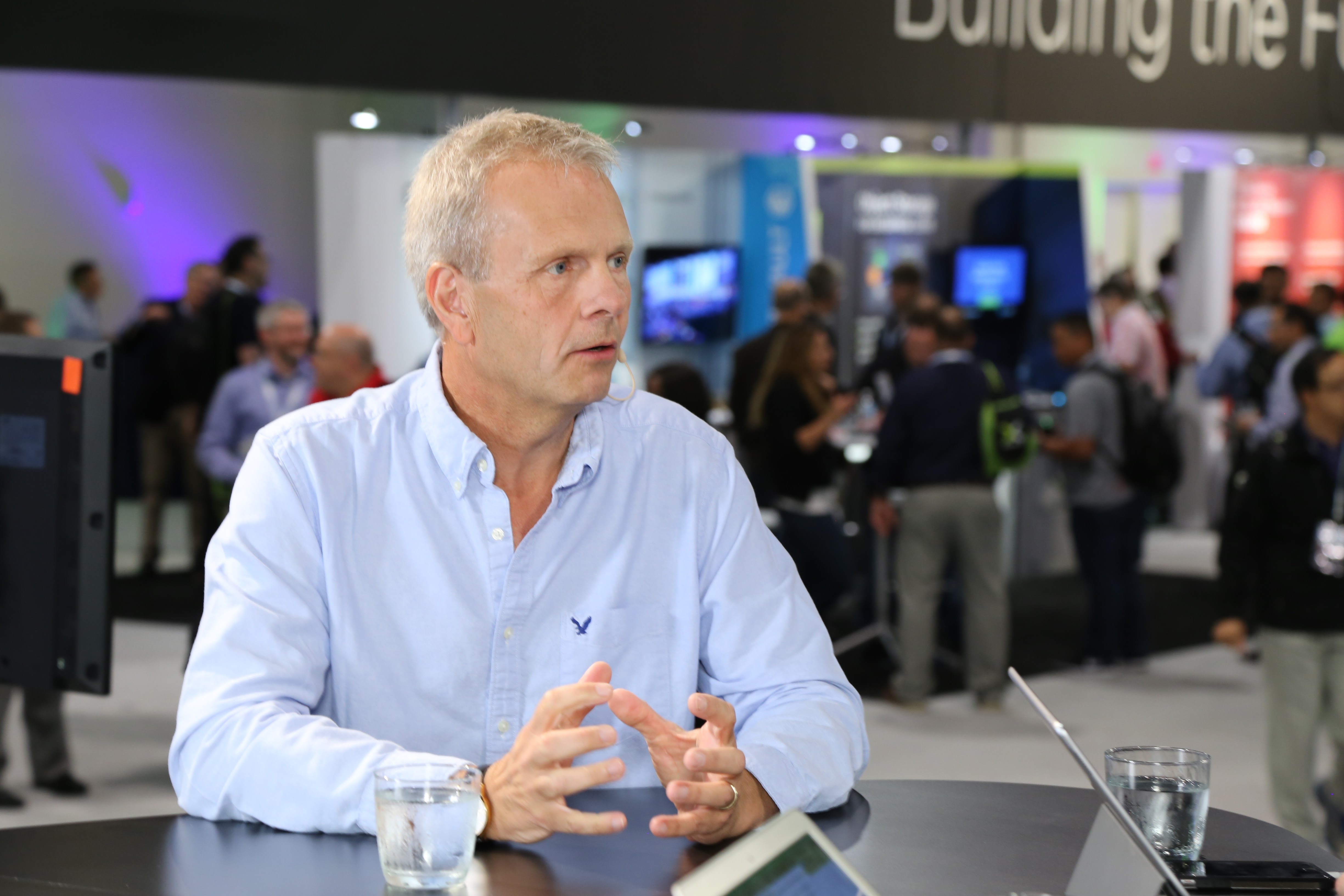
As companies continue to migrate legacy infrastructure to the cloud, an increasing number of applications are seeing tangible value in moving to hyperconverged infrastructure. This is particularly true in mission-critical use cases, such as payment handling where security requirements do allow for a purely public cloud approach. Mike Day (pictured), chief executive officer of PXP Solutions Ltd., described how this motivated his payment gateway company to use a Nutanix-based solution to mimic a public cloud solution on premises.
“There’s a lot in the press about companies being compromised. We provide secure processing; as soon as a card is on a webpage or is delivered into a pad, we encrypt that data,” Day said. “If we start putting that encrypted data, tokens and card records into the public cloud, that brings that cloud infrastructure into scope of PCI [Payment Card Industry]. We want to leverage all the benefits of public cloud, but we need to do it ourselves.”
At this week’s Nutanix .NEXTconf in Washington D.C., Day spoke with Dave Vellante (@dvellante) and Stu Miniman (@stu), co-hosts of theCUBE, SiliconANGLE Media’s mobile livestreaming studio, and explained his company’s migration to Nutanix. (* Disclosure below.)
Day described the process behind PXP’s decision to select Nutanix to move off of the legacy technology his company was operating on. Rather than take incremental steps toward modernization with virtual desktop infrastructure, Day opted to go all in with the full production environment in Nutanix.
“The concerns were: Does it live up to the hype? All the vendors were telling us how much quicker it would be, how much less compute we would need or how cheap it would be, but only when you do this in real life with some heavy lifting does it work,” Day said.
The risk was worth the effort, as Day described how PXP’s business need to juggle information technology resources is greatly simplified.
“What we do on a regular basis is shift our processing between the different stacks in the different locations, and that’s a press of a button,” he concluded.
Watch the complete video interview below, and be sure to check out more of SiliconANGLE’s and theCUBE’s coverage of the Nutanix .NEXT US 2017 event. (* Disclosure: TheCUBE is a paid media partner for Nutanix .NEXT US. Neither Nutanix Inc. nor other sponsors have editorial control over content on theCUBE or SiliconANGLE.)
Support our mission to keep content open and free by engaging with theCUBE community. Join theCUBE’s Alumni Trust Network, where technology leaders connect, share intelligence and create opportunities.
Founded by tech visionaries John Furrier and Dave Vellante, SiliconANGLE Media has built a dynamic ecosystem of industry-leading digital media brands that reach 15+ million elite tech professionals. Our new proprietary theCUBE AI Video Cloud is breaking ground in audience interaction, leveraging theCUBEai.com neural network to help technology companies make data-driven decisions and stay at the forefront of industry conversations.





