 EMERGING TECH
EMERGING TECH
EMERGING TECH







EMERGING TECH

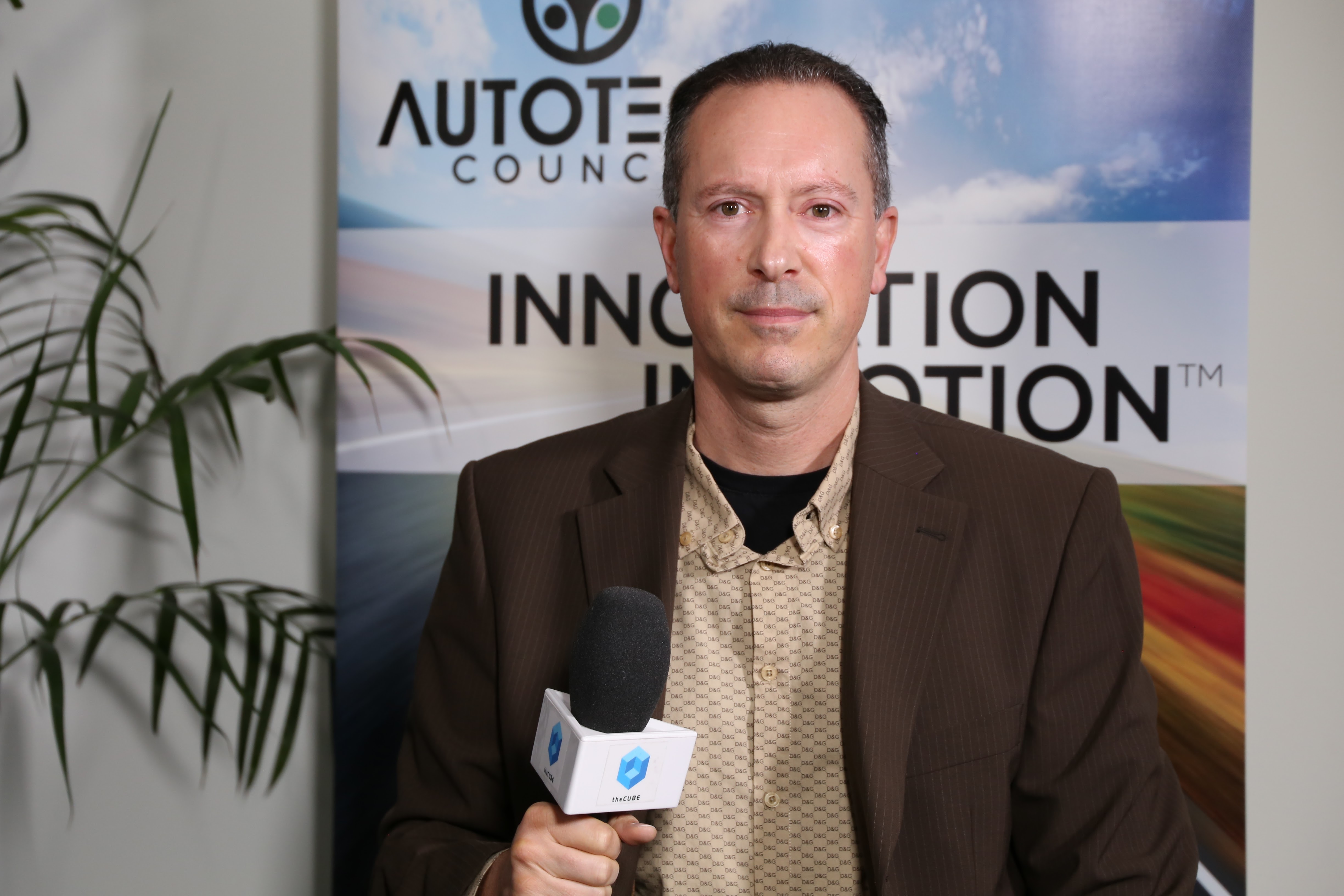
As mapping, navigation and sensor tech for autonomous vehicles continues to advance and support real-time communication between humans, machines and sensors, the data garnered from these systems can have far-reaching impact, including for smart cities, according to Mirko Kerschbaum (pictured), founder and chief executive officer of Pegaza, an automotive technology consulting company helping connect companies in Silicon Valley.
One of the key aspects of self-driving vehicles, however, is the management of the data generated by sensors on the car while in operation. “There’s going to be a lot of data that’s being generated. How is it going to be managed? How is it going to be analyzed? How are you going to store it, in the car or the cloud? Who is going to own it? It’s going to be a big market battle around this data,” Kerschbaum explained.
Kerschbaum spoke with Jeff Frick (@JeffFrick), host of theCUBE, SiliconANGLE Media’s mobile livestreaming studio, during this year’s Auto Tech Council – Innovation in Motion event in Milpitas, California. They discussed new applications for autonomous vehicle data and how data from self-driving cars is enabling new applications for smart cities. (* Disclosure below.)
Many new applications that most people don’t think of can be implemented once the data ownership model is clearly defined and developers are provided access, according to Kerschbaum.
“It’s traffic signs, street cleaning schedule, open parking spots on an app that guides people to it, potholes and construction … it’s other things that are critical if you want to have autonomous vehicles. Cities want to know where the open parking spots are or if there is any damage to the road, having access to the data is huge,” Kerschbaum said.
As new technologies, such as those for autonomous vehicles, continue to disrupt the automotive industry, car makers and automotive suppliers alike are increasingly turning to the Silicon Valley as a source of innovation. There have been several big-name original equipment manufacturers setting up technology shops in the valley, and the trend is growing in popularity, according to Kerschbaum.
“Initially, it was just the car makers. Then you saw the big tier once the automotive suppliers moved in, companies like Bosch and Continental. Now you’re even seeing tier two, tier three companies, companies that want to get into the automotive space. It’s an entire ecosystem that’s moving in with the carmakers,” Kerschbaum concluded.
Watch the complete video interview below, and be sure to check out more of SiliconANGLE’s and theCUBE’s coverage of Auto Tech Council – Innovation in Motion. (* Disclosure: TheCUBE is a paid media partner for Auto Tech Council – Innovation in Motion. Neither Western Digital Corp., the event sponsor, nor other sponsors have editorial influence on theCUBE or SiliconANGLE.)
Support our mission to keep content open and free by engaging with theCUBE community. Join theCUBE’s Alumni Trust Network, where technology leaders connect, share intelligence and create opportunities.
Founded by tech visionaries John Furrier and Dave Vellante, SiliconANGLE Media has built a dynamic ecosystem of industry-leading digital media brands that reach 15+ million elite tech professionals. Our new proprietary theCUBE AI Video Cloud is breaking ground in audience interaction, leveraging theCUBEai.com neural network to help technology companies make data-driven decisions and stay at the forefront of industry conversations.





