 EMERGING TECH
EMERGING TECH
EMERGING TECH







EMERGING TECH

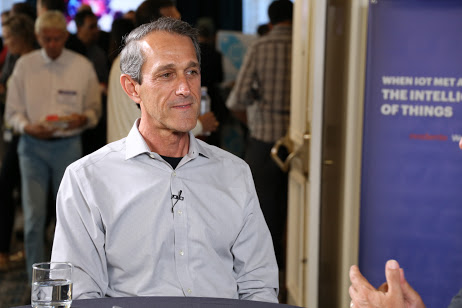
Everybody knows plugged-in electric devices draw power even when turned off. But even greenies don’t remember to unplug them when not in use. It’s a hassle for human intelligence but a great job for artificial intelligence, according to Mike Wilson (pictured), chief executive officer at BriteThings Inc.
“Probably at your workplace and at home, there’s a bunch of stuff turned on; you’re not using it, but you’re spending money to keep it powered up, and that’s causing C02 to be generated at a power plant down the road,” Wilson said.
Buildings use 40 percent of the energy generated in the US, according to Wilson. Of that, “about 27 percent of it goes to lighting, about 38 percent goes to heating and cooling and all the rest goes to plug loads,” he added.
BrightThings monitors intelligent plugs, sockets and power strips for building owners and operators. Historically, conserving plug load has been impractical, Wilson told Jeff Frick (@JeffFrick), host of theCUBE, SiliconANGLE Media’s mobile livestreaming studio, during this year’s When IoT Met AI: The Intelligence of Things conference in San Jose, California. (* Disclosure below.)
“Plug loads are distributed. They’re hard to control,” Wilson said.
BriteThings brings to market small, inexpensive products that suddenly give users easy control over plug loads, Wilson explained. The BriteThings cloud platform manages the devices with artificial intelligence. “It learns users’ behavior and then provides them an intelligent on/off schedule,” he said. On average, customers are seeing 40 to 45 percent reduction in plug load, he added.
Customers are using BriteThings not just to cut energy costs, but also monitor human presence and manage inventory. Application program interfaces allow customers to monitor plug load themselves. The data the devices collect is viable for various analytics, Wilson pointed out.
BriteThings currently sells mainly to commercial and office buildings that would otherwise waste lots of energy on plug load during nights and weekends. In the future, BriteThings may begin selling to retail consumers, Wilson concluded.
Watch the complete video interview below, and be sure to check out more of SiliconANGLE’s and theCUBE’s coverage of When IoT Met AI: The Intelligence of Things. (* Disclosure: TheCUBE is a paid media partner for When IoT Met AI. Neither Western Digital Corp., the event sponsor, nor other sponsors have editorial influence on theCUBE or SiliconANGLE.)
Support our mission to keep content open and free by engaging with theCUBE community. Join theCUBE’s Alumni Trust Network, where technology leaders connect, share intelligence and create opportunities.
Founded by tech visionaries John Furrier and Dave Vellante, SiliconANGLE Media has built a dynamic ecosystem of industry-leading digital media brands that reach 15+ million elite tech professionals. Our new proprietary theCUBE AI Video Cloud is breaking ground in audience interaction, leveraging theCUBEai.com neural network to help technology companies make data-driven decisions and stay at the forefront of industry conversations.





