 APPS
APPS
APPS
APPS







APPS

Applying new technologies in historically low-tech industries, such as agriculture, presents a new set of challenges around perceived costs, incentive structures and risk. However, when a new application, such as blockchain, opens up, the outcome can be truly transformative.
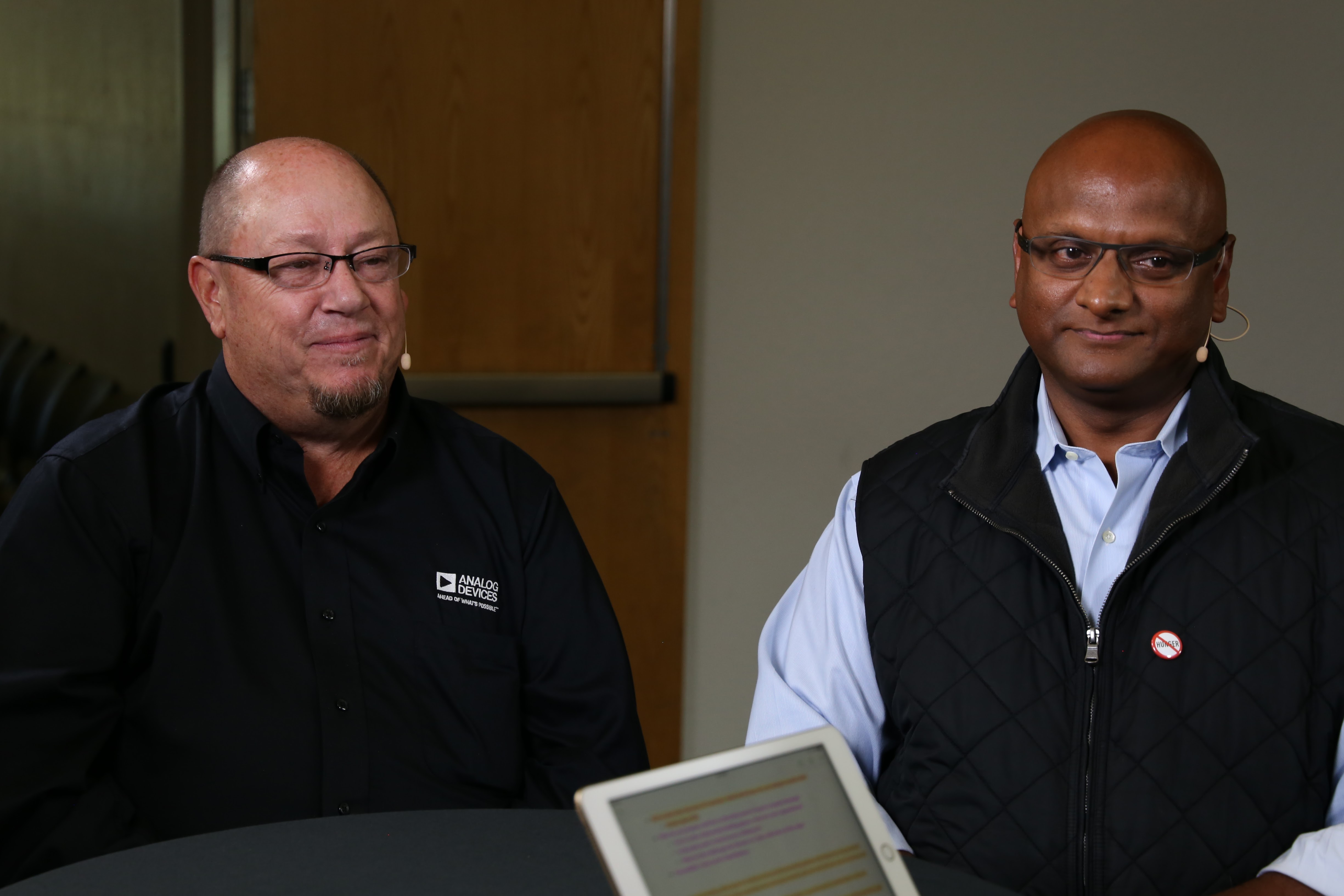
During this year’s FoodIT: Fork to Farm event in Mountain View, California, Raja Ramachandran (pictured, right), founder of Ripe.io, described how his company is enabling a new level of quality assurance for food consumers.
“Bringing blockchain was a way to talk to the farmer, talk to the distributor, talk to the buyer, the producer, and all these different constituents, including USDA, and then also even health companies,” Ramachandran said. “The idea is to basically take all of these desperate sets of data … so that you can create a real story about where that food came from, how is it curated, how did it get transported, what’s in it, you know, do I get it on time, is it ripe, is it tasty and so on.”
Ramachandran and Rob O’Reilly (pictured, left), senior technical staff member at Analog Devices Inc., spoke with Lisa Martin (@Luccazara), host of theCUBE, SiliconANGLE Media’s mobile livestreaming studio, during the FoodIT event. They discussed the opportunities for new technology in agriculture. (* Disclosure below.)
Blockchain is intrinsically good at ensuring both transparency and security for all participants, and this translates well in a consumer-driven agricultural economy focused on building trust, according to Ramachandran.
“What you can do is you take smart contracts, basically these checklists or if-then statements that you can say, ‘What does the farmer want? What is the distributor doing to get something there?’ Since we’re capturing that data set and validating it to make sure that they’re true, then you actually enable that trust for that consumer,” Ramachandran said.
While the promise of a blockchain-based supply chain sounds promising from a consumer prospective, smaller regional farmer have historically been slow adopters of new technology with a perceived monetary cost associated, he added.
“The supporting infrastructure, the rest of the ecosystem they need to take advantage of just isn’t there yet. So a lot of that, I think, is slow for the adoption,” O’Reilly said.
The slow adoption rate actually lets O’Reilly’s team iterate quickly until they see traction start to form. “But the good news is, when we’re successful, that’s all people see. And the farmers are starting to see that they’re getting actionable data,” he concluded.
Watch the complete video interview below, and be sure to check out more of SiliconANGLE’s and theCUBE’s coverage of the FOOD IT: Fork to Farm event. (* Disclosure: TheCUBE is a paid media partner for FOOD IT: Fork to Farm. Neither Western Digital Corp., the event sponsor, nor other sponsors have editorial influence on theCUBE or SiliconANGLE.)
Support our mission to keep content open and free by engaging with theCUBE community. Join theCUBE’s Alumni Trust Network, where technology leaders connect, share intelligence and create opportunities.
Founded by tech visionaries John Furrier and Dave Vellante, SiliconANGLE Media has built a dynamic ecosystem of industry-leading digital media brands that reach 15+ million elite tech professionals. Our new proprietary theCUBE AI Video Cloud is breaking ground in audience interaction, leveraging theCUBEai.com neural network to help technology companies make data-driven decisions and stay at the forefront of industry conversations.





