 EMERGING TECH
EMERGING TECH
EMERGING TECH






EMERGING TECH

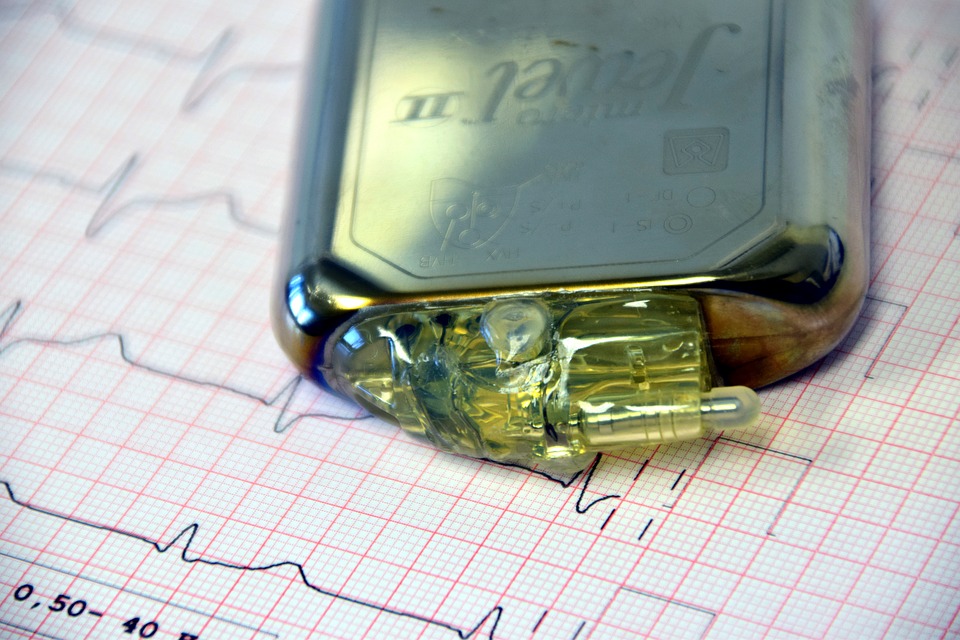
Since their invention in 1958, pacemakers have saved many lives, but in 2017 its benefits are more complicated. Not only do the devices face the risk of being hacked, their data can also be used in criminal trials.
An Ohio judge this week ruled that the data recorded by a pacemaker can be used as evidence in the trial of 59-year-old Ross Compton of Middletown, Ohio. Compton is being tried on felony charges of aggravated arson and insurance fraud for allegedly starting a fire at his home in September.
Prosecutors are arguing that data from his pacemaker — in particular, his heart rate at the time the alleged arson took place — is relevant evidence. According to Journal-News, Compton claims that he was asleep when the fire started and when he woke he packed some belongings, broke out the glass of his bedroom window with a cane and threw the bags and suitcase outside before taking them to his car. A cardiologist employed by the prosecution claims that given Compton’s medical condition this would be impossible and that data from his pacemaker would prove this to be the case.
A lawyer for Compton argued that the access to data from a pacemaker was a breach of his “constitutional rights and unreasonable seizure of his private information,” while prosecutors argued that police regularly seize medical records for evidence in criminal cases and a pacemaker was no different.
Common Pleas Judge Charles Pater agreed with the prosecution, ruling that “just because the pacemaker data is individual to Compton doesn’t mean it is more private than other things.”
In an interview with CNET, Compton’s lawyer Glenn Rossi said that he was disappointed with the court’s decision to allow the evidence and that the issue is bigger than just his client’s case. Allowing such evidence “further expands the government’s ability to access some of our most fundamental private information. Medical data regarding the inner functions of one’s body designed to assist a doctor in keeping a patient alive should be safeguarded against government overreach.”
Support our mission to keep content open and free by engaging with theCUBE community. Join theCUBE’s Alumni Trust Network, where technology leaders connect, share intelligence and create opportunities.
Founded by tech visionaries John Furrier and Dave Vellante, SiliconANGLE Media has built a dynamic ecosystem of industry-leading digital media brands that reach 15+ million elite tech professionals. Our new proprietary theCUBE AI Video Cloud is breaking ground in audience interaction, leveraging theCUBEai.com neural network to help technology companies make data-driven decisions and stay at the forefront of industry conversations.





